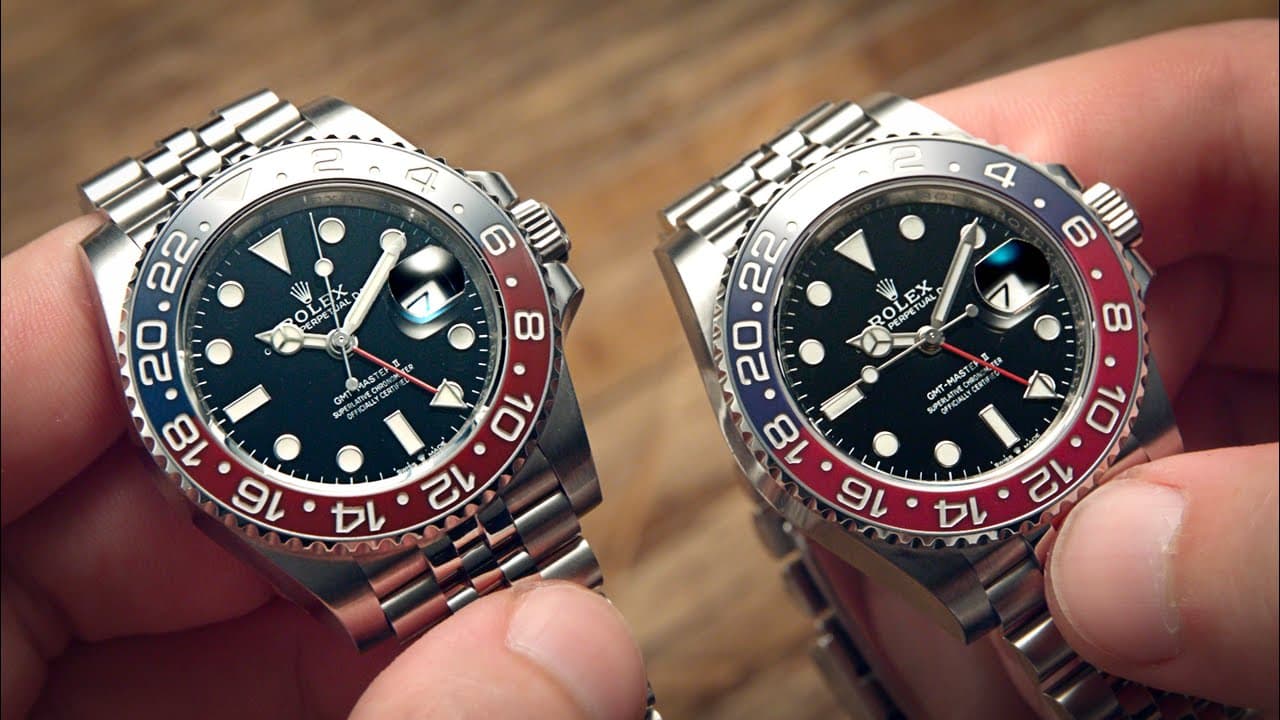
The unsettling part of a convincing fake watch is the moment it stops looking like an obvious fake. The logo reads correctly at a glance. The photographs look expensive. The seller sounds fluent. Suddenly, the buyer is being asked to trust an entire presentation, not just an object.
“Superclone” is the label often attached to particularly convincing replicas. It is worth treating that language as part of the sales pitch rather than as a quality guarantee. Watchfinder was publicly examining detailed Rolex imitations in 2020, so this is not a phenomenon that arrived with this week’s social feed. What matters to a buyer is whether the actual watch has been independently examined.
The scale is real, but read the dates
The OECD and EUIPO’s 2025 report found that watches accounted for 23% of the value of seized counterfeit goods globally in its 2020–2021 analysis. That is a share of seizure value, not a claim that 23% of watches are fake, and not a measurement of the market in 2026.
The distinction matters. Dramatic numbers travel easily, especially when attached to a recognizable luxury name. A useful account of the fakes market needs to separate what authorities intercepted from what actually exists in circulation. Seizures tell us counterfeiting is a serious trade; they do not provide a simple probability for the listing on your phone.
The listing is part of the product
Think of the buying decision as two separate checks. First, is the watch authentic and accurately described? Second, is the transaction with a real, accountable seller? A beautiful photograph answers neither question completely. Even a genuine watch in a photograph does not establish what will arrive in a parcel.
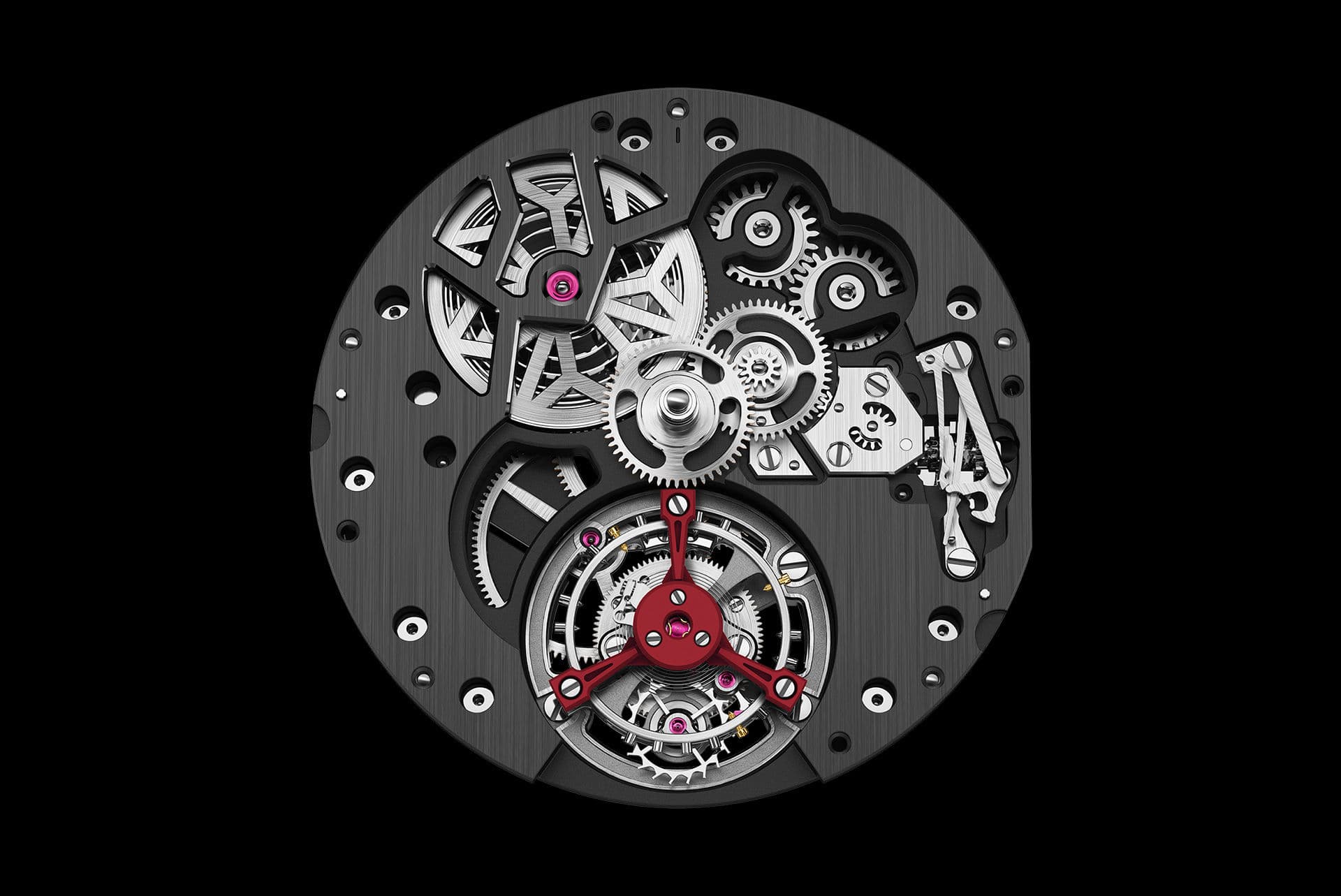
For a concrete example of a deeper process, Watchfinder describes component-level inspection, authentication, checks of accompanying boxes and papers, and searches of lost-and-stolen databases for its marketplace watches. Its authentication explanation also describes internal and external examination under magnification. These are the retailer’s stated procedures, not a universal guarantee for resale watches.
Ask for a process, not reassurance
Before paying, ask who will inspect the actual watch, what that inspection covers and what written remedy applies if it is misrepresented. Get the reference, serial information, condition description and any disclosed replacement parts documented. Read the seller’s payment and return terms, and arrange specialist verification within the applicable return window.
Boxes and papers should be checked alongside the watch, rather than treated as a substitute for examining it. Equally, authenticity, condition and ownership history are separate questions. A seller should be able to explain how each is addressed without turning a reasonable request into a test of your trust.
The cultural appeal of a luxury watch is partly the story attached to it. That is precisely why a convincing imitation can be so persuasive. The strongest buying position is being willing to interrupt the story and ask for evidence.
Featured image: Watchfinder & Co.’s official thumbnail for its August 2020 fake-watch comparison. It illustrates that comparison, not an allegation about a current seller.