There was a moment, not long ago, when the loudest flex in youth culture was a grail sneaker, a sold-out drop, a hype-beast haul. The signal was I have access to scarce things. In 2026, the signal has shifted. Increasingly, the flex is I am optimizing the most scarce thing of all: time alive and feeling good. Longevity has become the new streetwear: a status language, an aesthetic, a community, and a content engine all at once.
This isn't a stretch. The numbers back it up: a 2025 survey found roughly 60% of Americans now cite longevity and healthy aging as their top fitness motivator. That's a seismic reframe. People aren't training to look good for the summer anymore; they're training for what the longevity world calls the "marginal decade": the last ten years of life, and how functional you'll be in them. Vanity got a horizon.
From clout to readiness scores
The most telling shift is in what counts as a flex. The old metrics were external and ownable: the fit, the kicks, the collab. The new metrics are internal and tracked. Your HRV, your sleep score, your VO2 max, your recovery readiness. AI has moved from novelty to the backbone of personalization, with heart-rate variability, sleep quality, and even glucose feeding directly into how people program their training.
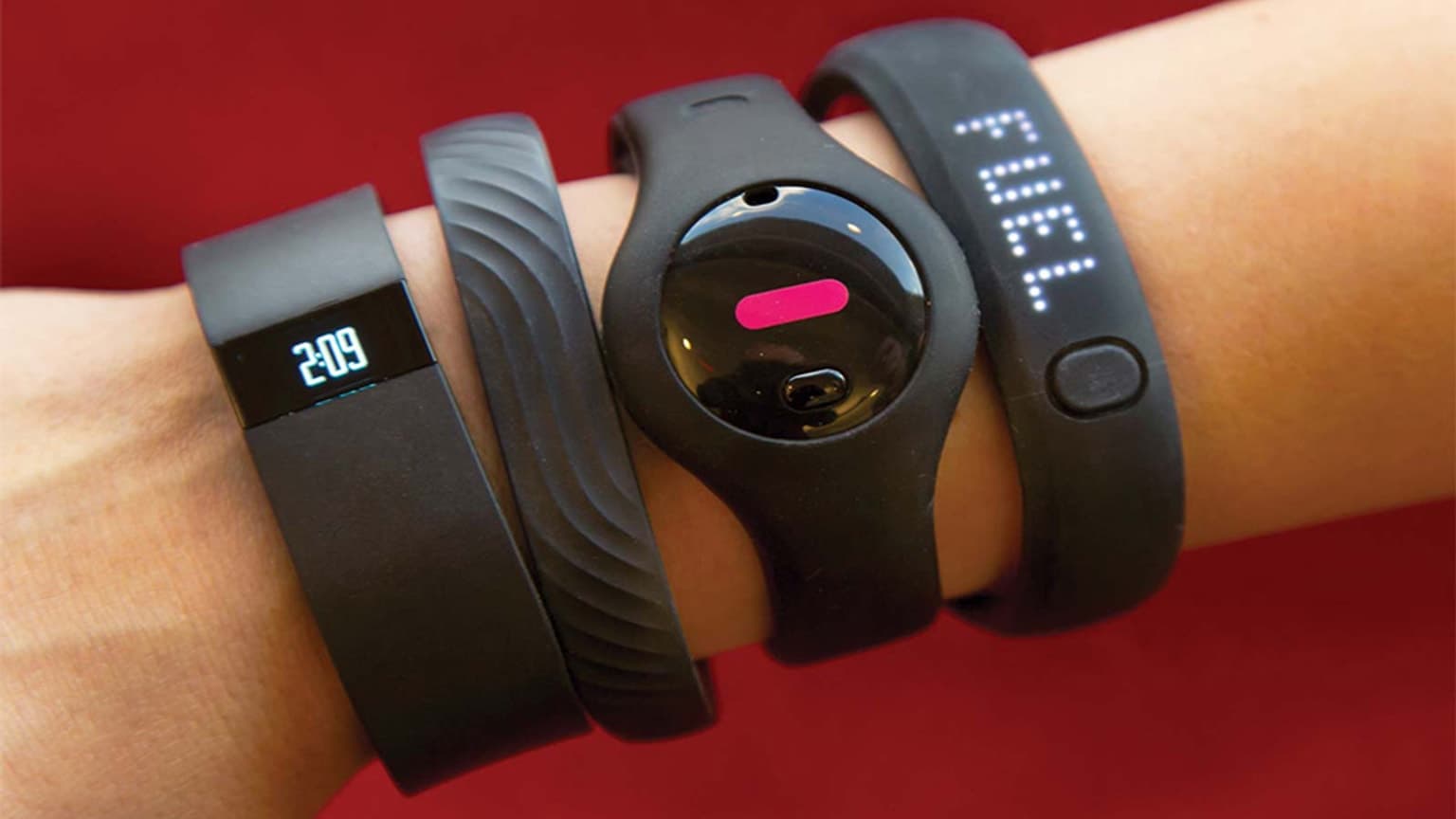
And the data wears like jewelry now. The smart ring went from clinical gadget to accessory: the Oura Ring 4, RingConn Gen 2, and others designed to be seen, not hidden. A WHOOP band on the wrist reads, in the right rooms, the way a watch once did. The flex isn't the device; it's what the device says about your discipline. I recover. I optimize. I'm playing a longer game than you.
The run club is the new sneaker drop
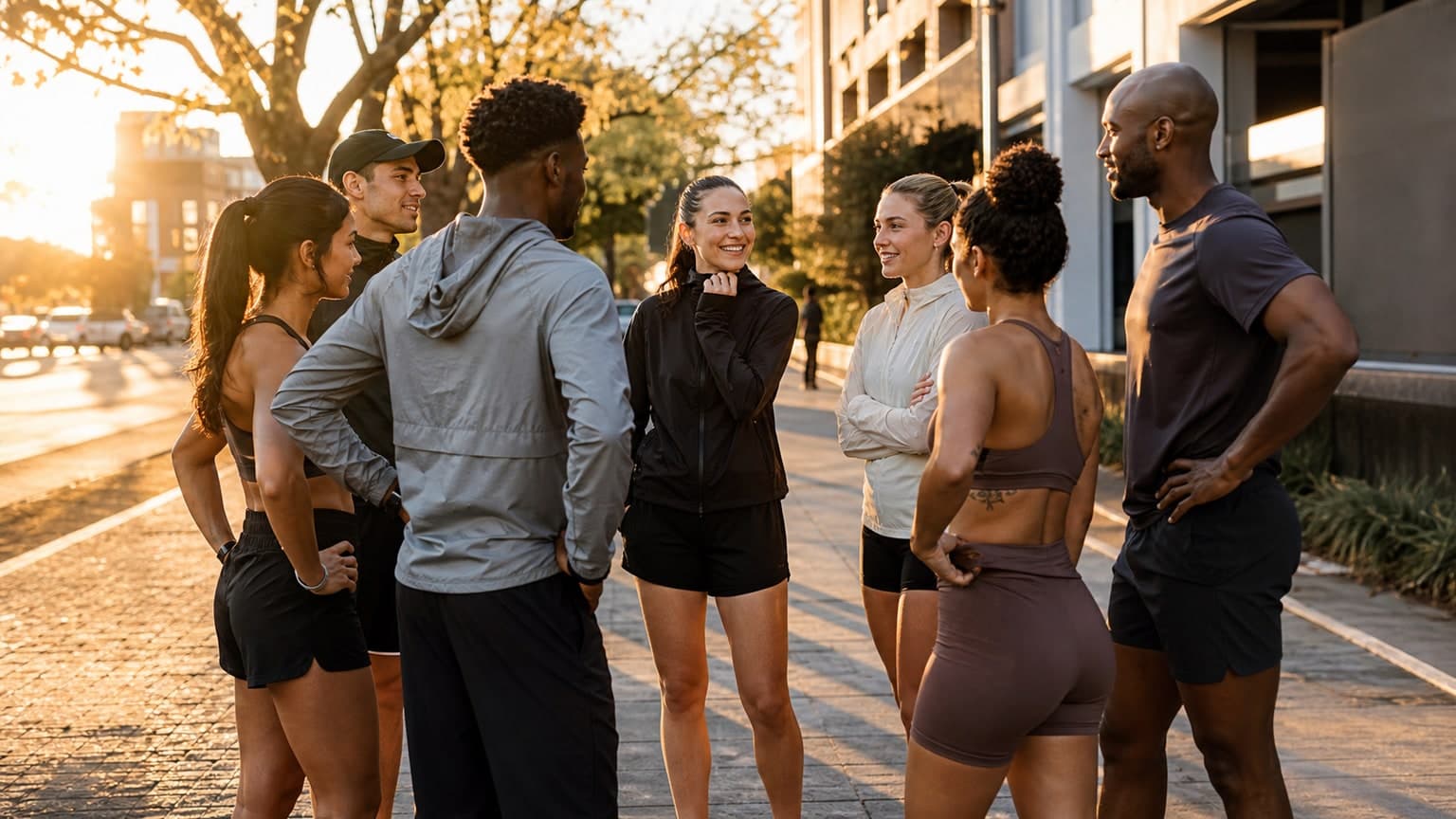
Nothing captures the culture shift better than the explosion of run clubs. They've become the social and romantic hub for a generation: part workout, part networking, part dating app with cardio. The appeal maps almost exactly onto what drew people to streetwear: community, identity, belonging, and a low-key competitive edge. You used to line up for a drop. Now you line up at 7 a.m. for a group run, and the after-coffee is the real event.
HYROX scaled this into spectacle, going from about 600 entrants in 2018 to over 550,000 in 2025. Group competition as lifestyle. Even walking got the treatment: so-called Japanese walking saw an absurd surge of interest, nearly 3,000% growth, as one of the fastest-rising fitness trends heading into 2026. Walking. Going for a walk became a trend. That's how thoroughly movement has been recoded as culture.
The aesthetic eats everything
Then there's the look. The Pilates reformer became a wellness status object, the studio a backdrop as recognizable as any boutique. Athleisure long ago bled into everyday dress, but the 2026 version is more specific: the gym-to-street fit, the technical fabrics, the recovery slides, the matcha-after-mobility uniform. Brands like Gymshark built empires designing specifically for gym-goers and feeding off community input, while design-forward fitness labels turned weighted bands and equipment into objects you want on display.
The aesthetic and the substance have fused. Looking like you optimize is part of optimizing: the outfit signals the membership, the membership reinforces the behavior, the behavior generates the content. It's the same flywheel that powered streetwear, pointed at your mitochondria.
The good, the cringe, and the worry
There's genuine upside here. A generation choosing to value movement, sleep, recovery, and long-term health over pure consumption is, on balance, a healthy cultural turn. Community-driven fitness is one of the most reliable ways to actually stay consistent, and run clubs are getting people moving who'd never touch a globo-gym.
But the streetwear comparison cuts both ways. Status-driven wellness can curdle into the same problems hype culture always had: exclusion (optimization is expensive: the rings, the studios, the supplements add up), performance over substance (posting the recovery routine instead of recovering), and a creeping anxiety where rest itself becomes another thing to grind at. When your sleep is a score, a bad night becomes a failure. That's not health; that's the gamification of being a person.
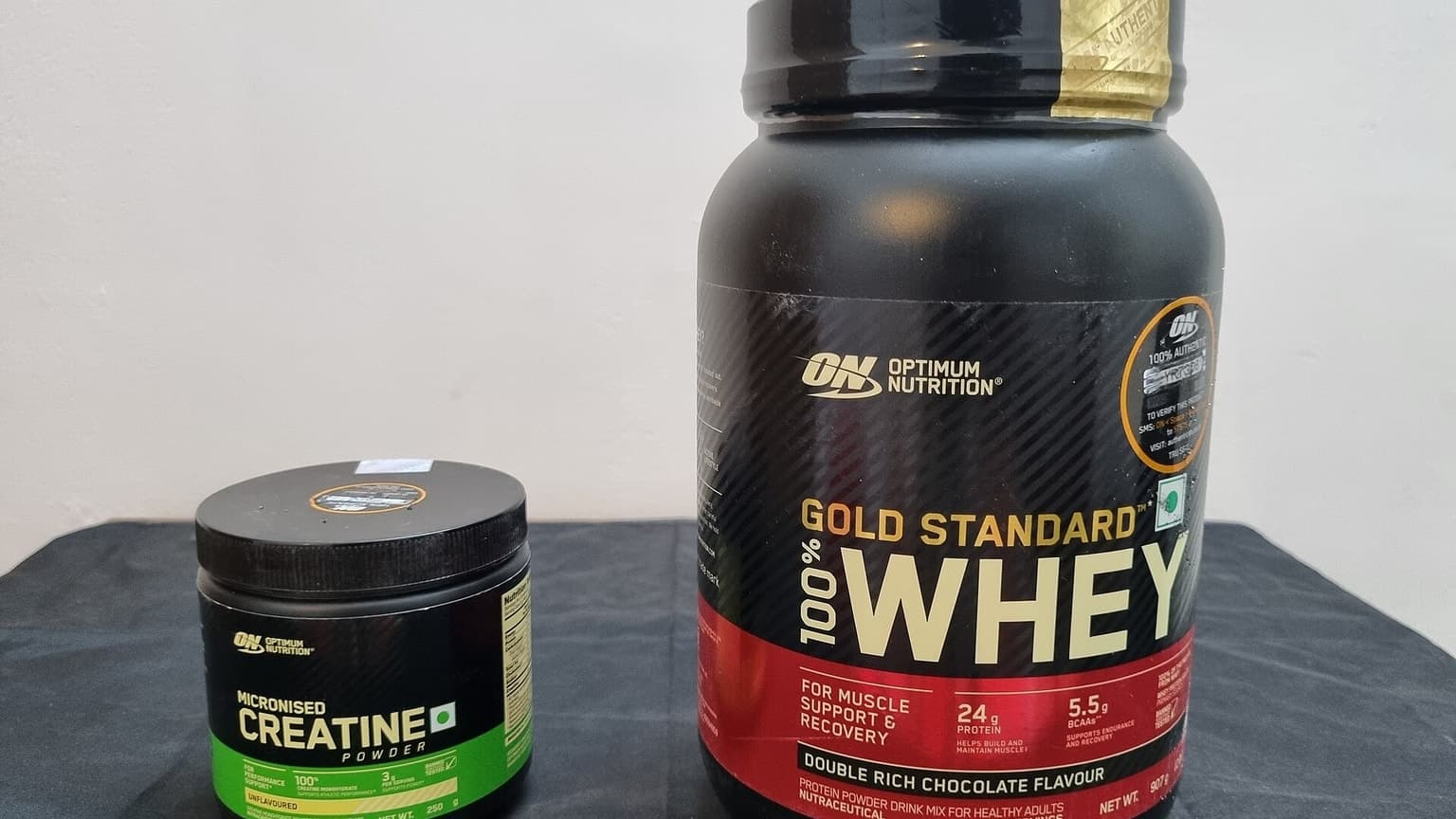
And the optimization arms race has a dark edge: the same culture that celebrates Zone 2 and morning sunlight also pushes gray-market peptides and extreme protocols to the same followers. The flex can outrun the science fast.
Where it lands
Longevity-as-streetwear is the defining performance-culture story of 2026, and like all the best cultural shifts, it's genuinely good and slightly ridiculous at the same time. The healthiest version is the one that keeps the community and the movement while dropping the scoreboard anxiety: train because it feels good and buys you good decades, not because your HRV graph is a leaderboard.
The flex was always about belonging to something. It just turns out the most exclusive club is the one where everybody's still showing up at 70.