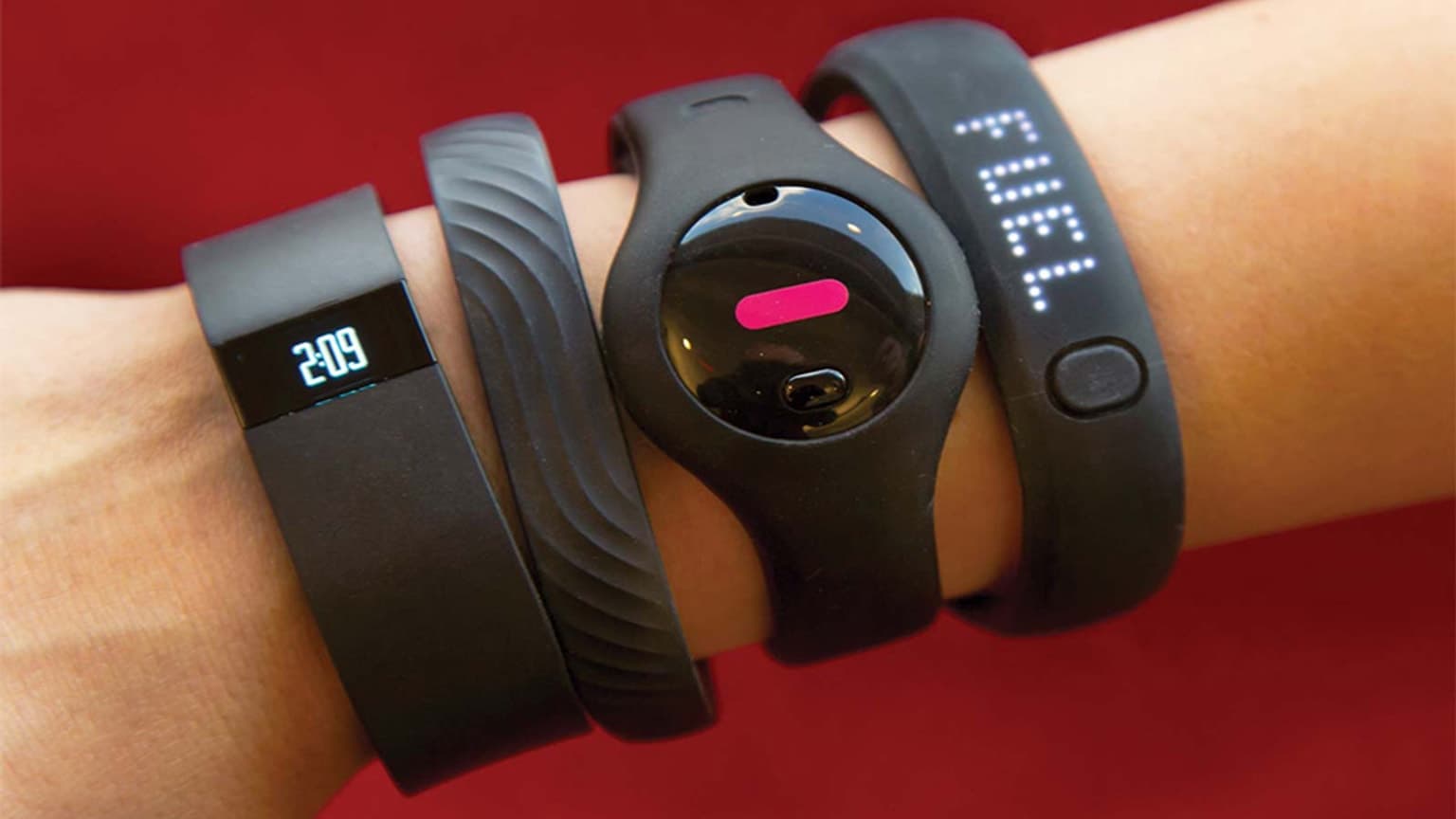
The recovery wearable used to be a niche toy for data nerds. In 2026 it's a fashion accessory, a status signal, and a genuinely useful tool, sometimes all on the same finger. The category has split into two camps: rings, led by Oura and a wave of challengers, and bands, led by WHOOP, with Garmin holding down the dedicated-sportwatch flank. The competition has gotten fierce, the algorithms have gotten genuinely good, and the question is no longer should you track recovery but with what.
Here's the honest buyer's guide: who each device is actually for, and the bigger question of whether the scores are worth obsessing over at all.
First, what these things measure
Recovery wearables all chase the same core signals: heart rate variability (HRV), resting heart rate, sleep stages and duration, and increasingly things like skin temperature and respiratory rate. From that, they generate the headline number (a "recovery," "readiness," or "strain" score) meant to tell you how recovered you are and how hard you can push today. The accuracy of those underlying measurements, especially sleep staging, is exactly where these devices separate.
The smart rings
Oura Ring 4: best for sleep and biometric accuracy
The Oura Ring 4 is the one to beat for passive accuracy. In recent comparative testing it ranked at or near the top for sleep tracking, and its app is the most polished and well-presented in the category, with stress, sleep, and health tracking that reviewers rate above the rest. It's the pick if your priority is understanding your body rather than coaching your workouts. The trade-off is a subscription on top of the hardware, and a ring can't do the active-workout metrics a watch does.
RingConn Gen 2: best value smart ring
The RingConn Gen 2 has emerged as the standout alternative, praised for premium design, the longest battery life of the smart rings, and genuinely actionable sleep and readiness insights, notably without the recurring subscription that defines Oura. If you want the ring experience and form factor without the monthly fee, this is the value champion.
Why rings won the comfort war
Rings have a structural advantage: you forget you're wearing them. No wrist bulk, no strap, nothing to charge mid-day if battery life is good. For passive 24/7 tracking, especially sleep, that comfort translates directly into consistency, which is the whole point. You can't optimize data you stop collecting because the device annoyed you.
The bands
WHOOP 5.0: best for recovery coaching
If you want to be coached, not just informed, WHOOP 5.0 is built for it. Its model centers on a "strain" score (your total physiological exertion on a non-linear 0–21 scale) balanced against recovery, telling you how hard you can go and how much rest you owe. Its newer sleep algorithm now performs nearly as well as Oura for REM and light sleep, though it lags a bit on detecting time awake. WHOOP is screenless and subscription-based by design: it's for athletes who'll actually act on the daily readout.
Garmin: best for endurance athletes
If your training is running, cycling, triathlon, or hiking, none of the recovery-first devices beat a Garmin. Battery life, GPS accuracy, training load, pace, elevation, and deep sport modes are where it dominates. The catch: Garmin is consistently mid-to-low tier on sleep accuracy and struggles most with REM detection. Buy it for the active metrics, not the recovery scores.
So which should you buy?
- You mostly care about sleep and all-day health, hate fuss: Oura Ring 4 (or RingConn Gen 2 to skip the subscription).
- You're an athlete who wants daily push/rest coaching: WHOOP 5.0.
- Your training is serious endurance sport: Garmin, full stop.
- You want one device to do everything: accept that no device wins every category. Pick your priority.
The bigger question: do the scores help?
Here's the part the marketing won't lead with. These devices are excellent at one underrated thing: making the invisible visible. Seeing how a late dinner, a few drinks, or a bad night actually tanks your recovery score is a powerful behavior-change tool. The feedback loop genuinely nudges people toward better sleep and smarter training.
But there's a real failure mode, and it's worth naming: orthosomnia, anxiety caused by sleep tracking, where a bad score makes you stress, which makes you sleep worse, which makes the score worse. When recovery becomes a leaderboard, rest becomes another thing to fail at. The data is a guide, not a verdict. If your ring says you slept badly but you feel fine, you feel fine. The number is an estimate, not gospel. Even the best devices are approximations, not lab-grade sleep studies.
The bottom line
The 2026 recovery wearable is a genuinely useful tool that's never been more accurate or more comfortable. Buy based on what you actually do: passive health (ring), active coaching (WHOOP), or endurance sport (Garmin). And treat the score as a coach, not a judge. The wearable that helps you is the one that quietly improves your habits and then gets out of the way. The one that hurts you is the one you start performing for.
General information, not medical advice. Wearable metrics are estimates and not a substitute for clinical evaluation.