The performance market has become a money fire. The hydration-supplement category alone was worth around $36 billion in 2024 and is projected to more than double by the mid-2030s. Everywhere you look there's a new powder, a new ring, a new chew promising to optimize something. Most of it is noise.
So we did the unglamorous work: sorting the genuinely useful from the cleverly marketed. This is the HYPE List for 2026: the performance supplements and gear actually worth your money, plus a few we'd skip. None of this is medical advice; check with a professional before adding supplements, especially with a health condition.
Supplements worth the shelf space
Creatine monohydrate: the undefeated champ
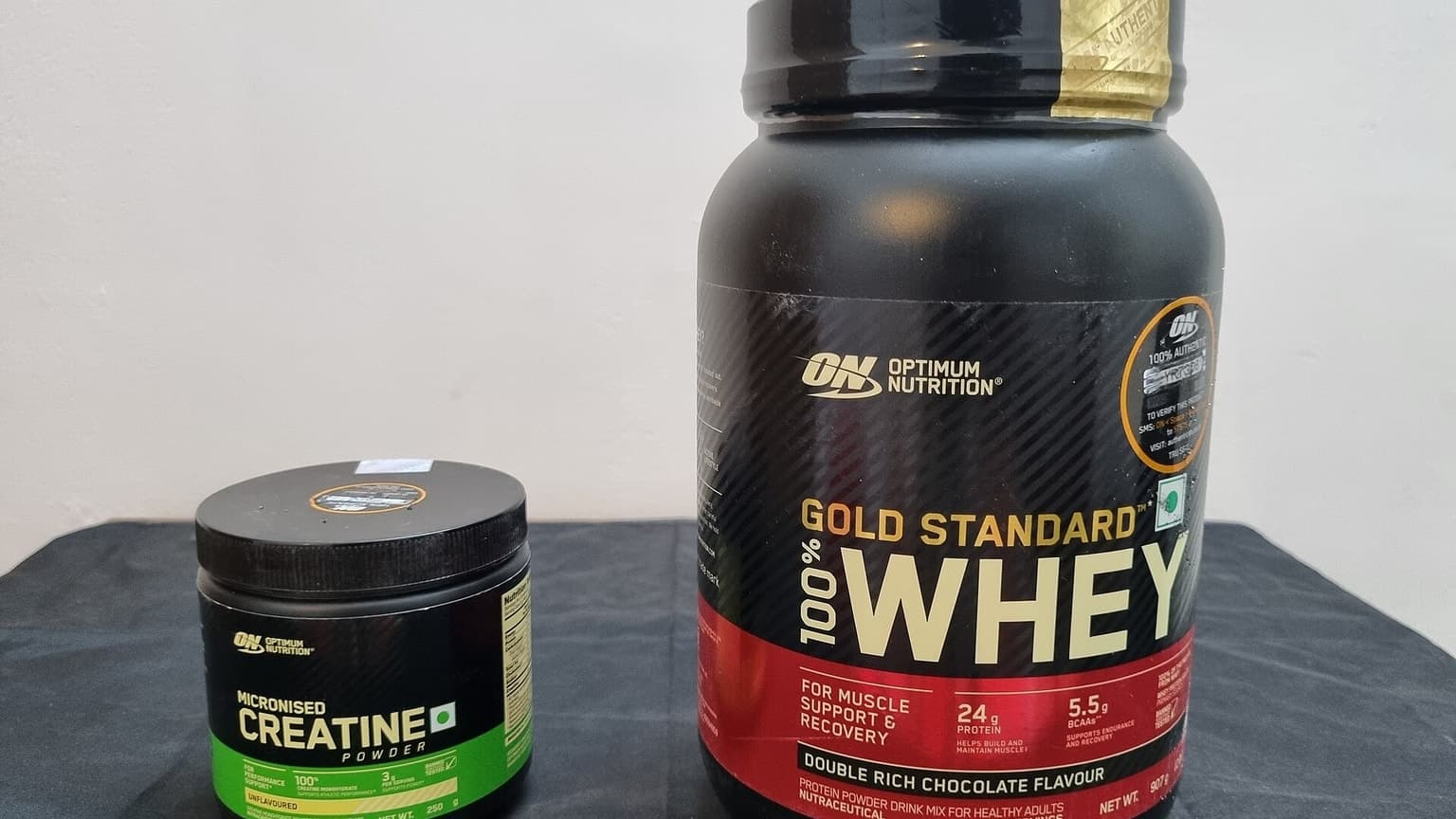
If you buy one supplement, buy this. Creatine has the deepest evidence base of any sports supplement for power, training volume, and recovery, and the 2025 research wave extended interest toward cognition too. Sales jumped roughly 72% in the performance category in 2025 as the audience widened well beyond lifters. Buy plain monohydrate. It's the best-studied form and the cheapest. New gummy and stick-pack formats are convenient, but check the dose per serving; some deliver a fraction of a real scoop at a premium price.
Electrolytes: the trend with a real use case
Electrolyte drink mixes were one of 2026's standout supplement trends, with search interest up nearly 2,000% year over year, and the sodium-forward formula popularized by LMNT dragged sodium out of decades of demonization. The honest take: if you sweat heavily, train long, or run hot, a high-sodium electrolyte mix genuinely helps. If you're sedentary and sipping one at your desk, it's flavored salt water. Useful tool, not a daily requirement for everyone.
Protein powder: boring, effective, non-negotiable for many
Whether you hit your protein target from food or powder, the target is what matters. Whey remains especially effective for muscle protein synthesis thanks to its leucine content, though 2025 research increasingly shows quality plant blends (notably pea) can hold their own, good news if you're avoiding dairy. Powder is a convenience tool to close a gap, not a magic muscle dust.
Recovery tech worth considering
Smart rings: Oura Ring 4 and RingConn Gen 2
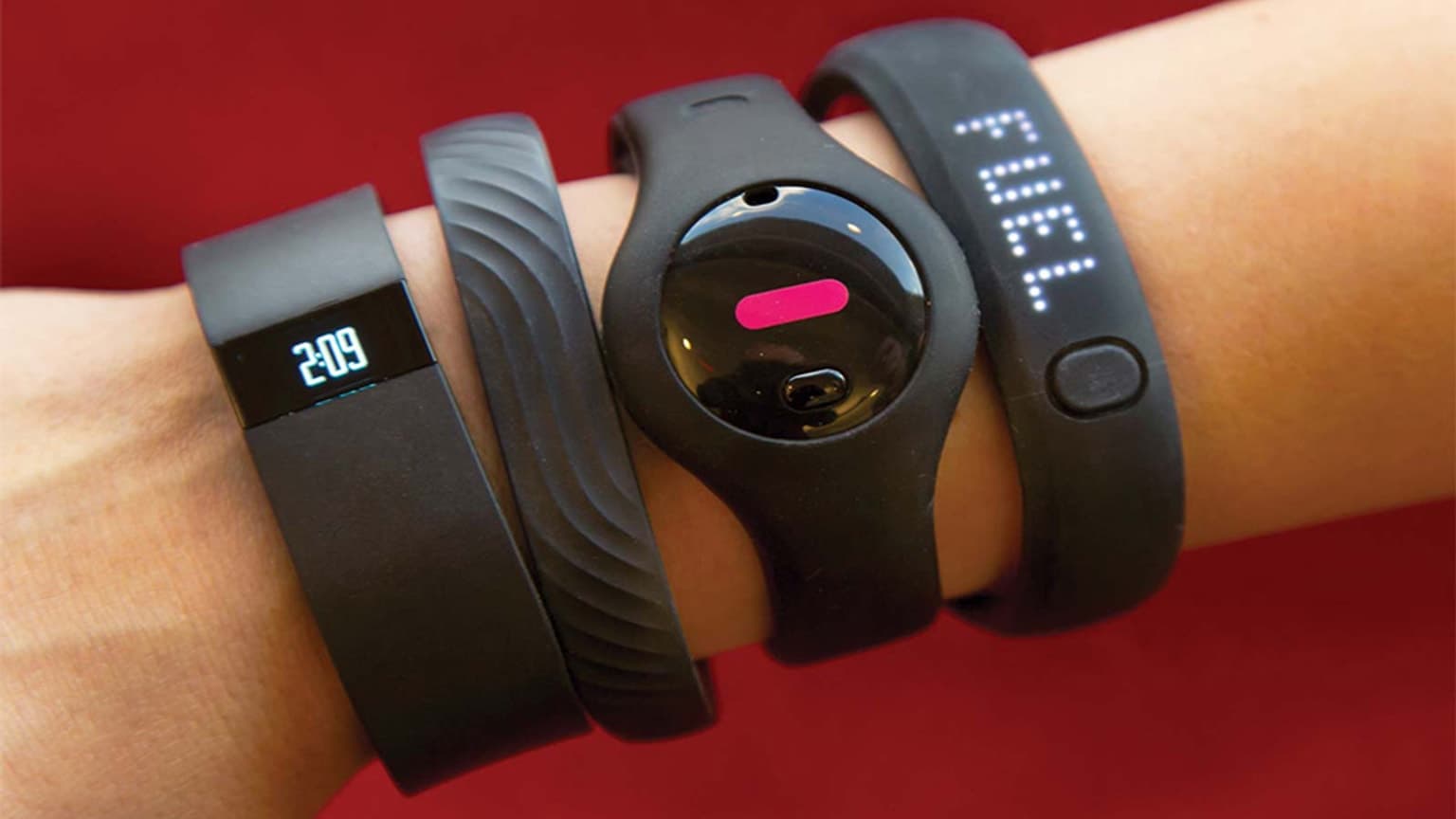
The wearable conversation has shifted from wrists to fingers. The Oura Ring 4 is widely rated best for sleep and passive biometric accuracy, with the most polished app in the category. RingConn Gen 2 earns praise for premium design and the longest battery life of the smart rings. Rings win on comfort and all-day wear: you forget they're there, which is exactly why people stick with them.
WHOOP 5.0: for the recovery-obsessed
If you want coaching rather than just data, WHOOP 5.0 is built for athletes chasing recovery optimization, with its strain-versus-recovery model telling you how hard you can push and how much rest you owe yourself. It's a subscription, not a one-time buy, so it's for people who'll actually act on the numbers.
Garmin: still king for endurance
If your training is running, cycling, triathlon, or hiking, a Garmin beats the recovery-focused devices on GPS, battery life, training load, and sport modes. It's mid-tier for pure sleep accuracy, but that's not why you'd buy it.
The recovery rituals (cheaper than they look)
Saunas have the strongest long-term evidence in the hot-cold space, and cold immersion genuinely helps soreness. Just don't ice down immediately after lifting if muscle growth is the goal, since that can blunt the adaptation. You don't need a backyard barrel; a gym sauna and a cold shower replicate most of the benefit for free.
What we'd skip in 2026
- BCAAs if you already hit your protein target: your body's getting plenty already; you're paying for redundancy.
- "Detox" anything. Your liver and kidneys do this continuously. Detox products mostly just make you lose water.
- Testosterone "boosters" like D-aspartic acid, which show null or negative effects in well-controlled trials on healthy men.
- Stimulant fat burners, which lean on caffeine and don't beat a basic calorie deficit. You can buy plain caffeine for pennies.
- "Advanced" creatine formulas charging triple for what monohydrate does better.
The honest bottom line
The pattern across every winning pick is the same: the things that work are usually old, cheap, well-studied, and badly marketed. The things that don't work are usually new, expensive, and brilliantly marketed. Creatine, protein, electrolytes when you need them, sleep, and a wearable you'll actually act on. That's a near-complete performance stack, and it costs a fraction of the hype-cycle alternative.
Spend your money on the boring stuff. The boring stuff is what wins.