Let me save you some money. The supplement industry is one of the most efficient machines ever built for converting hope into recurring revenue, and most of what it sells you does roughly nothing. This is an opinion piece, but it's an opinion built on a frustratingly consistent body of evidence: the stuff that works is cheap and boring, and the stuff that's marketed hardest usually doesn't.
So here's the takedown: the products to drop, and the short list actually worth keeping. General info, not medical advice; talk to a professional before changing supplements, especially with a health condition.
The Hall of Shame
BCAAs
Branched-chain amino acids are the poster child for redundant supplementation. The pitch is that you need them for recovery and muscle building. The reality: if you're already hitting your daily protein target through food and shakes, your body is getting more than enough BCAAs already. You're paying extra for amino acids you're consuming anyway. The only edge case is people training fasted or genuinely failing to eat enough protein, and even then, just eating more protein solves it better and cheaper. For nearly everyone, BCAAs are flavored money.
Fat burners
Open most fat burners and you'll find the active ingredient is caffeine, dressed up with a few extracts that sound impressive. The ads promise to "melt fat." The science is blunt: these provide minimal long-term fat-loss benefit, and the calorie deficit that actually drives fat loss still comes down to diet and training. Even popular add-ins like CLA show inconsistent human results: small at best, often not clinically meaningful. You can buy plain caffeine for pennies and skip the proprietary blend tax entirely.
Testosterone "boosters"
This category might be the most cynical. In well-controlled trials on resistance-trained men, popular ingredients like D-aspartic acid show null or even negative effects on testosterone, with no meaningful improvement in training outcomes. For a healthy person with normal hormone levels, these products do not raise testosterone in any way that builds muscle or burns fat. You're buying a feeling of doing something masculine and proactive. The bottle is the placebo.
"Detox" everything
Detox teas, cleanses, "liver support" gimmicks: this is, frankly, the biggest myth in the entire wellness space. Your liver and kidneys detoxify your body continuously, all day, for free. Detox products mostly increase water loss or bowel movements, creating the illusion of change on the scale with zero actual fat loss. There is no toxin backlog a tea is clearing. There's just dehydration and a lighter wallet.
"Advanced" creatine formulas
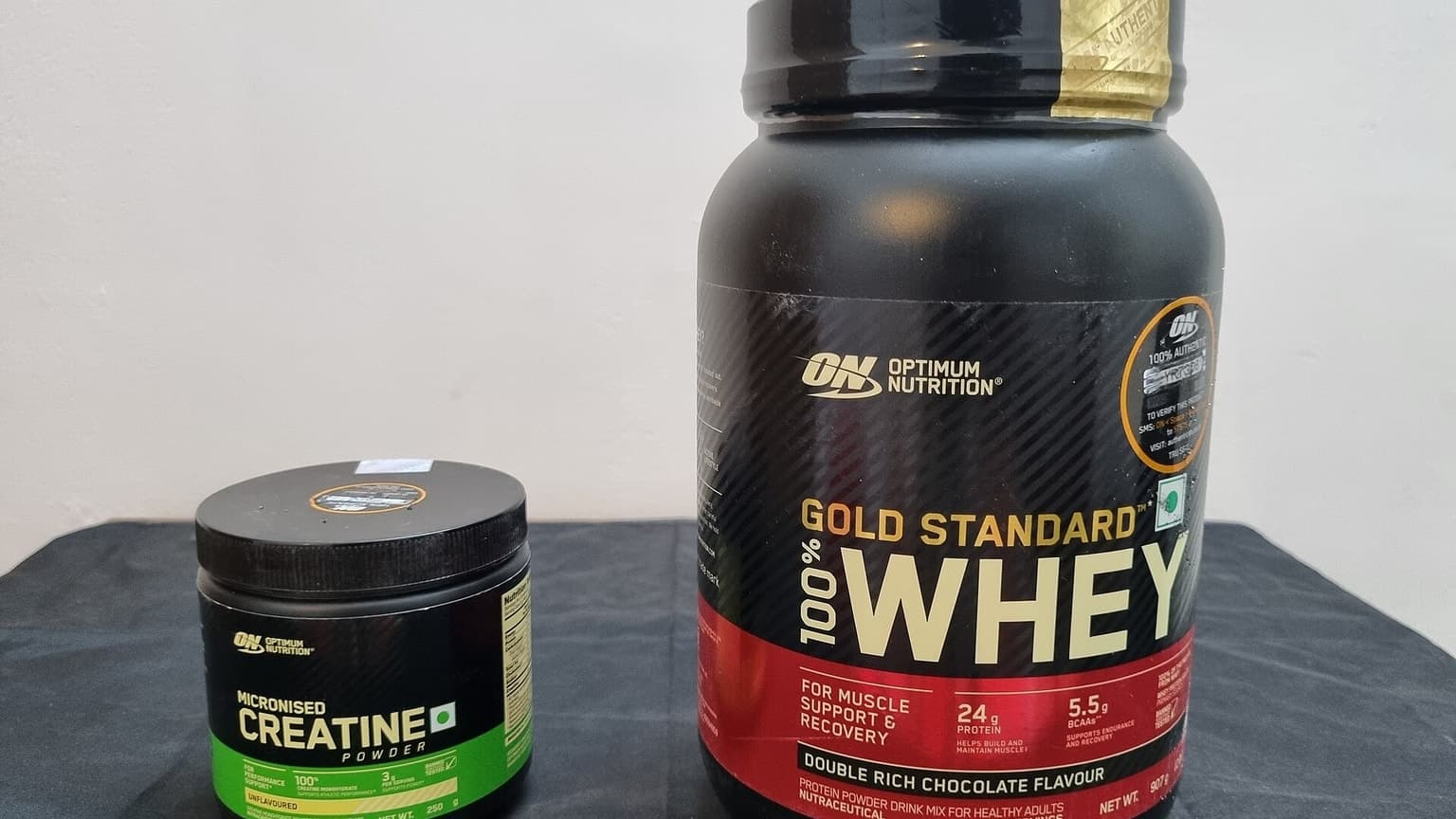
Creatine itself is great (more below). But the dozens of "buffered," "HCl," "next-gen" formulas charging triple the price of plain monohydrate? Marketing. Monohydrate is the most-studied, most-effective, cheapest form. Paying more for a fancier name is paying for the name.
Why this keeps working on smart people
It's worth asking why an industry built largely on dud products keeps thriving. A few reasons. Supplements feel like agency: taking a pill is a concrete action when diet and training feel slow. The placebo effect is real and powerful; if you believe the preworkout is working, your session might genuinely feel better. And the marketing is genuinely excellent: it speaks the language of science (proprietary blends, mechanisms, citations to studies on rats) without the inconvenience of rigorous human evidence.
The tell is almost always the same. If a product needs a dramatic story to justify its price (a hidden mechanism, an ancient secret, a problem you didn't know you had), be suspicious. The things that actually work rarely need a story, because the evidence speaks plainly.
The short list that actually earns its place
So what survives the cut? A surprisingly small, cheap roster:
- Creatine monohydrate: deeply studied for power, recovery, and now possibly cognition. Buy plain. The undefeated champ.
- Protein powder: not magic, just a convenient way to hit your target if food falls short. Whey or a quality plant blend both work.
- Electrolytes: genuinely useful if you sweat a lot or train long. Pointless if you're sedentary sipping one at a desk.
- Vitamin D: worth it if you're actually deficient, which a blood test (not a vibe) confirms.
- Caffeine: the most effective legal performance enhancer there is, and it costs nothing.
That's basically it. Five things, most of them cheap, none of them needing a hype campaign.
The point
The supplement aisle is designed to make you feel like optimization is something you buy. It mostly isn't. The unglamorous truth is that sleep, protein from food, consistent training, and a couple of cheap proven basics outperform a $300 monthly stack every single time.
Spend the money you'd have wasted on BCAAs and detox teas on better groceries and a wearable you'll actually use. Then keep the rest. Your gains won't notice the difference, but your bank account will.