Competitive gaming spent the back half of the 2010s convincing the world it was real. It spent the early 2020s surviving the hangover when the easy money dried up. In 2026, it's doing something more interesting than either: consolidating into a genuinely global, genuinely lucrative sport with a power map that's being redrawn in real time. New champions, bigger purses, and a homecoming for the genre's biggest event. Here's where things actually stand.
NRG breaks through in Valorant
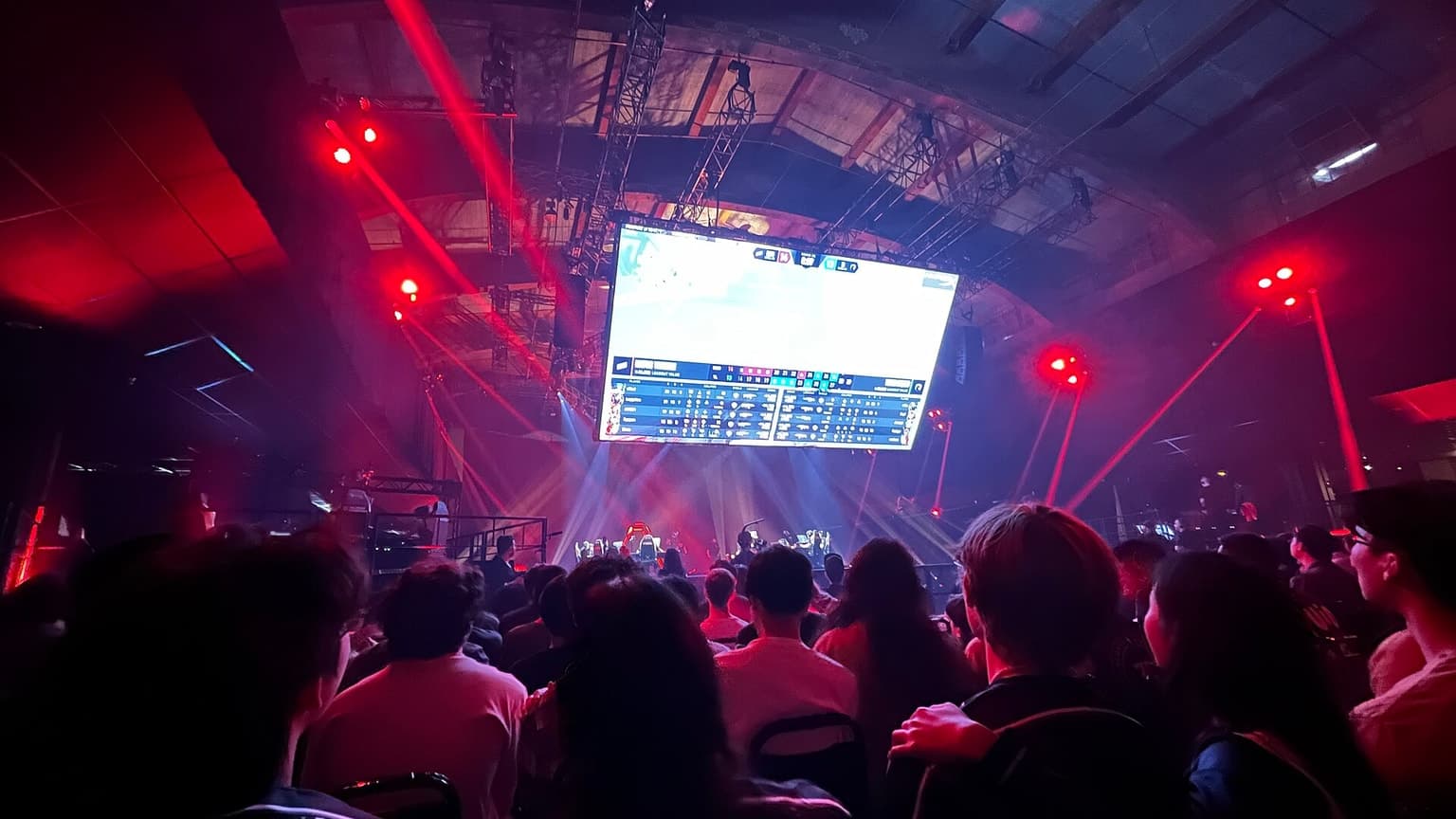
The headline result of the past season came out of Paris. At VALORANT Champions 2025, held from September into October across Paris and Évry-Courcouronnes, NRG from the Americas region defeated EMEA's Fnatic 3–2 in a five-map grand final to claim the organization's first world championship.
The significance runs deeper than one trophy. Fnatic had been one of the most dominant forces in Valorant's competitive history, a perennial favorite and the EMEA standard-bearer. NRG taking them down in a full five-game series is the kind of result that recalibrates a region's confidence. The Americas have asserted themselves at the very top of the most-watched tactical shooter on the planet, and the rivalry it sets up heading into the next cycle is exactly the narrative tension a healthy sport needs.
The Esports World Cup keeps escalating
If Valorant Champions is the genre's prestige crown, the Esports World Cup is its arms race. The Saudi-backed multi-title behemoth has rapidly become the most financially significant event on the calendar, spreading enormous prize pools across a roster of games that spans tactical shooters, MOBAs, battle royales, and fighting games.
The 2025 edition crowned champions across the board (Team Heretics took the Valorant tournament, with winners decided in Dota 2, League of Legends, Free Fire, Counter-Strike 2, and more), and the 2026 Esports World Cup is positioned to be even larger. For organizations, the EWC has become a season-defining payday and a strategic priority; for the wider scene, it's a referendum on whether a single mega-event can sustainably anchor a sport built from dozens of separate competitive ecosystems.
That model isn't without its critics: questions about sportswashing and the centralization of prize money under a single backer are part of the conversation, and honest coverage should say so. But financially, the EWC's gravity is undeniable, and teams have voted with their rosters.
Worlds comes home
The crown jewel of the next stretch belongs to League of Legends. The 2026 League of Legends World Championship is set to run from October 15 to November 14, hosted across the United States: Los Angeles, the Dallas–Fort Worth metroplex (Allen, Texas), and New York City.
A U.S.-hosted Worlds is a statement. League's competitive center of gravity has historically pulled toward Korea and China, with the most passionate live crowds and the most dominant teams often coming from the East. Bringing the sport's biggest event back to North American soil is both a bet on the region's audience and a reminder that Riot still sees the U.S. market as essential to League's mainstream ambitions. Expect the venues to be packed and the stakes, for North American teams especially, to be enormous.
Counter-Strike's quiet endurance
While Valorant grabs headlines and League stages spectacles, Counter-Strike 2 keeps doing what Counter-Strike has always done: persisting. CS2 majors and tournaments remain fixtures on the calendar, including a slot at the Esports World Cup, and the game's competitive scene retains the kind of grizzled, decades-deep loyalty that newer titles can only envy.
CS doesn't need a reinvention narrative. Its appeal is its consistency: a pure, mechanically demanding tactical shooter with a competitive history stretching back to the early days of esports itself. In a landscape obsessed with the new, that durability is its own kind of power.
What it all means
Three trends define the 2026 competitive landscape, and they're worth naming plainly.
First, the money is real and increasingly centralized. The Esports World Cup has concentrated an unprecedented amount of prize money into a single annual event, reshaping how organizations plan their entire seasons around it.
Second, the geography is shifting. NRG's Valorant title pushes the Americas to the front, and Worlds returning to the U.S. doubles down on North America as a focal point, a notable swing for a sport whose elite tier has often lived overseas.
Third, the titles are stratifying into clear lanes. Valorant is the prestige tactical shooter with the freshest rivalries, League is the spectacle event with the deepest mainstream reach, the EWC is the financial supercollider, and Counter-Strike is the unkillable veteran. Each occupies its own niche, and the overlap between their audiences is smaller than outsiders assume.
The throughline is that esports in 2026 looks less like a single bubble and more like a maturing constellation of sports, each with its own economics, its own heroes, and its own arc. The easy-money era is over. What replaced it is harder, richer, and a lot more interesting to watch.