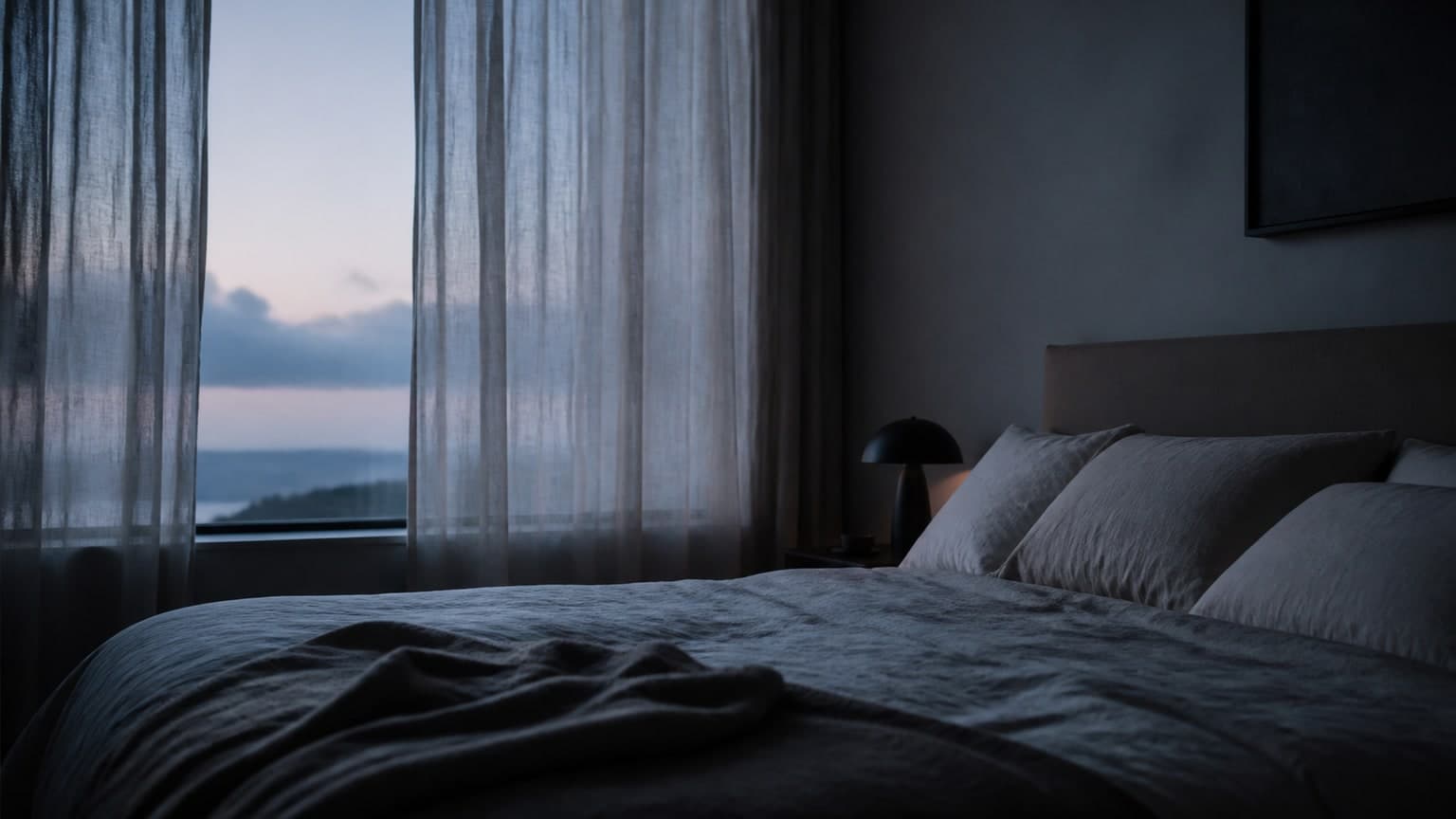
At some point, rest became a performance metric. The hashtag #sleepmaxxing has piled up over 500 million views, and an entire genre of content now treats falling asleep like a sport to be optimized, stacked, and scored. Mouth tape, magnesium cocktails, $300 mattress coolers, blackout everything. Sleep got the biohacking treatment, and the gear industry is thrilled.
The frustrating truth, according to most sleep researchers, is that sleepmaxxing is mostly just sleep hygiene with better marketing. The principles that actually move the needle are the same unsexy ones experts have pushed for decades. But buried in the trend are a few genuinely useful ideas, and one popular protocol that can be dangerous. Let's sort it out.
This is general information, not medical advice. Persistent sleep problems warrant a conversation with a qualified clinician.
The stuff that actually works
Light is the master switch
The single highest-leverage move costs nothing: morning sunlight. Getting outside for 10–30 minutes within about an hour of waking helps anchor your circadian rhythm, the internal clock that governs when you feel alert and when melatonin starts flowing at night. As darkness falls, the pineal gland releases melatonin and the sleepiness cascade begins. Mess with the light signal and the whole system drifts. Get morning light right and a lot of downstream "sleep problems" quietly improve.
Consistency beats every gadget
A fixed bedtime and wake time (yes, weekends too) does more for sleep quality than any device on the market. Your body runs on a schedule; give it a reliable one and it rewards you. This is the least glamorous tip in existence and the most effective.
Cool, dark, screen-free
The classic trio holds up. A cool bedroom (research and sleep clinicians generally point to the mid-60s Fahrenheit range), genuine darkness, and cutting screens 60–90 minutes before bed all have real support. None of it requires a subscription.
Magnesium: helpful, not magic
The trendy magnesium stacks aren't nonsense. A 2023 systematic review found consistent associations between higher magnesium intake and better sleep quality in adults, and magnesium glycinate is the form most linked to calming effects. But calibrate expectations: experts note magnesium can help you relax a bit, yet for most people it won't solve genuine sleep problems on its own. It's a mild assist, not a switch.
The stuff that's mostly theater
A lot of the sleepmaxxing economy is selling marginal gains at premium prices. Elaborate supplement stacks layering magnesium, apigenin, and a dozen other ingredients rarely outperform the basics. Pricey gadgets can be pleasant but aren't doing the heavy lifting: the heavy lifting is light, schedule, and temperature, which are nearly free. If a product promises to "hack" your sleep, the honest version is usually: it might help a little, on top of fundamentals you could've done for nothing.
The one to be careful with: mouth taping
This is the part that deserves a hard flag. Mouth taping (taping your lips shut to force nasal breathing overnight) is one of the most aggressively promoted sleepmaxxing protocols, and the evidence does not support widespread use. More seriously, cases of aspiration pneumonia have been reported in people who taped their mouths, because phlegm or reflux couldn't exit safely. For anyone with undiagnosed sleep apnea, nasal congestion, or reflux, sealing your mouth shut overnight is a genuine risk, not a life hack. A viral video is not a clearance to do it. If you snore or suspect a breathing issue during sleep, the move is a doctor, not a roll of tape.
A sane sleepmaxxing routine
If you want the trend without the nonsense, here's the version backed by the science, in rough priority order:
- Morning light within an hour of waking, daily.
- Consistent sleep and wake times, including weekends.
- Cool, dark, quiet room (the most underrated upgrade in the list).
- Wind-down buffer: dim the lights and drop the screens 60–90 minutes before bed.
- Magnesium glycinate if you want a gentle assist: useful, modest, not a cure.
- Skip the risky stuff, mouth tape included, unless a clinician has cleared it.
Everything beyond that is optimization at the margins. Fine to experiment with if you enjoy it; not where the real gains live.
The bigger point
The reason sleepmaxxing resonates is that people genuinely feel underslept and overstimulated, and the longing for real rest is legitimate. The trend just over-engineers the solution. You don't need to gamify your nights or buy your way to recovery. You need light, a schedule, a cool dark room, and the discipline to actually protect the eight hours.
The least sellable advice is still the best advice. Sleep isn't a product. It's a habit, and it's the most powerful performance tool you already own.