The biggest tournament ever, in our backyard
For the first time in history, a FIFA World Cup is being co-hosted by three nations (the United States, Mexico and Canada), and it's the first ever with 48 teams instead of 32. The math is staggering: more matches, more flags, more fan zones, more reasons to skip work than any single sporting event has ever generated on this continent.
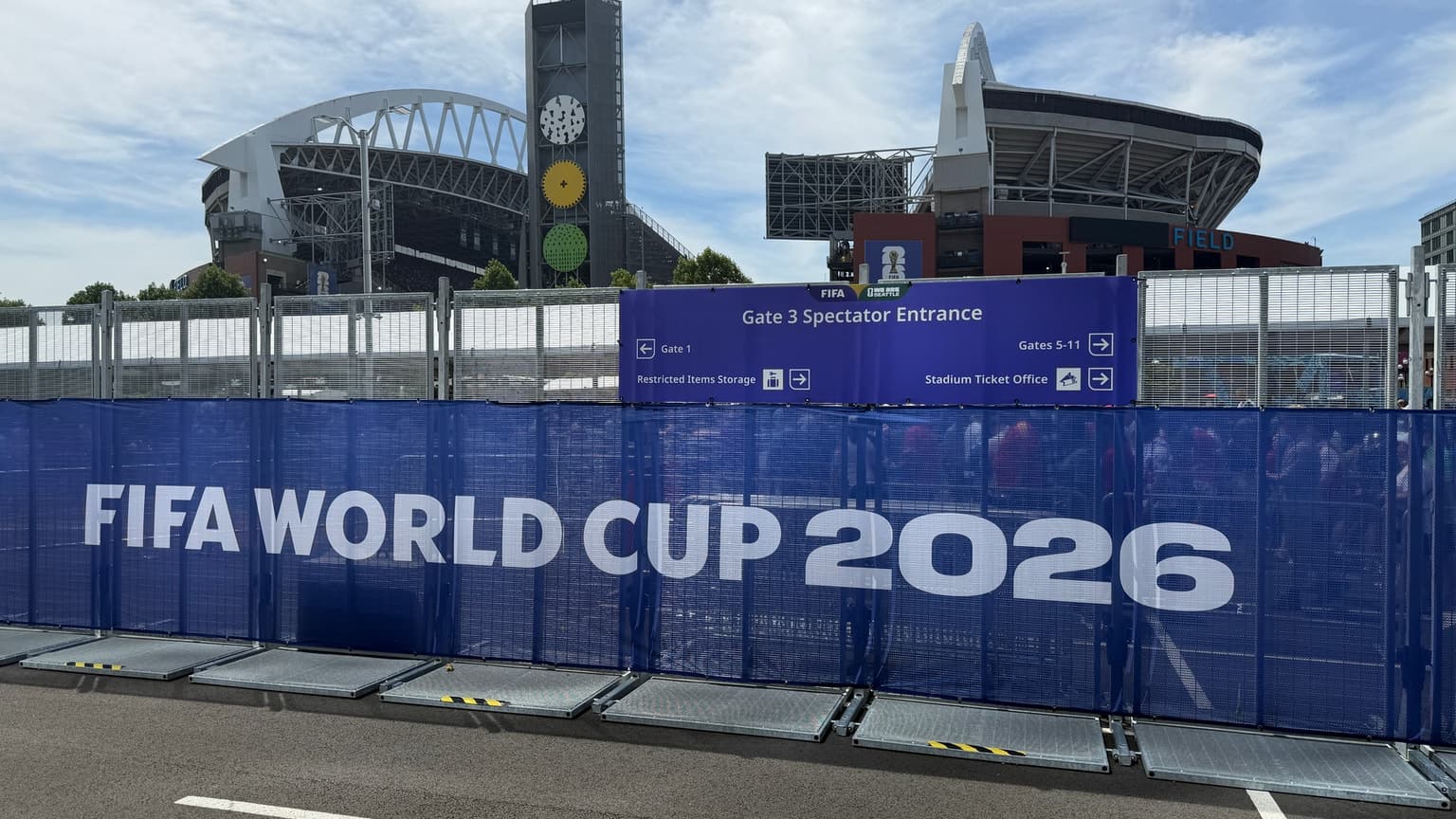
The tournament runs June 11 to July 19, 2026, spread across 16 host cities. Eleven sit in the U.S. (New York/New Jersey, Los Angeles, Dallas, Atlanta, Miami, Boston, Philadelphia, Houston, Kansas City, San Francisco Bay Area, Seattle), three in Mexico (Mexico City, Guadalajara, Monterrey) and two in Canada (Toronto, Vancouver). That's a map that runs the entire spine of North America, and for a culture-forward audience, it means the World Cup is no longer a thing that happens "over there." It's happening down the block.
Why this one hits different
The World Cup has always been the planet's biggest cultural export. What changes in 2026 is proximity. When the tournament lands in your own time zone, in stadiums you've already been to for concerts and NFL games, the energy seeps into everything: the bars, the cookouts, the group chats, the fits.
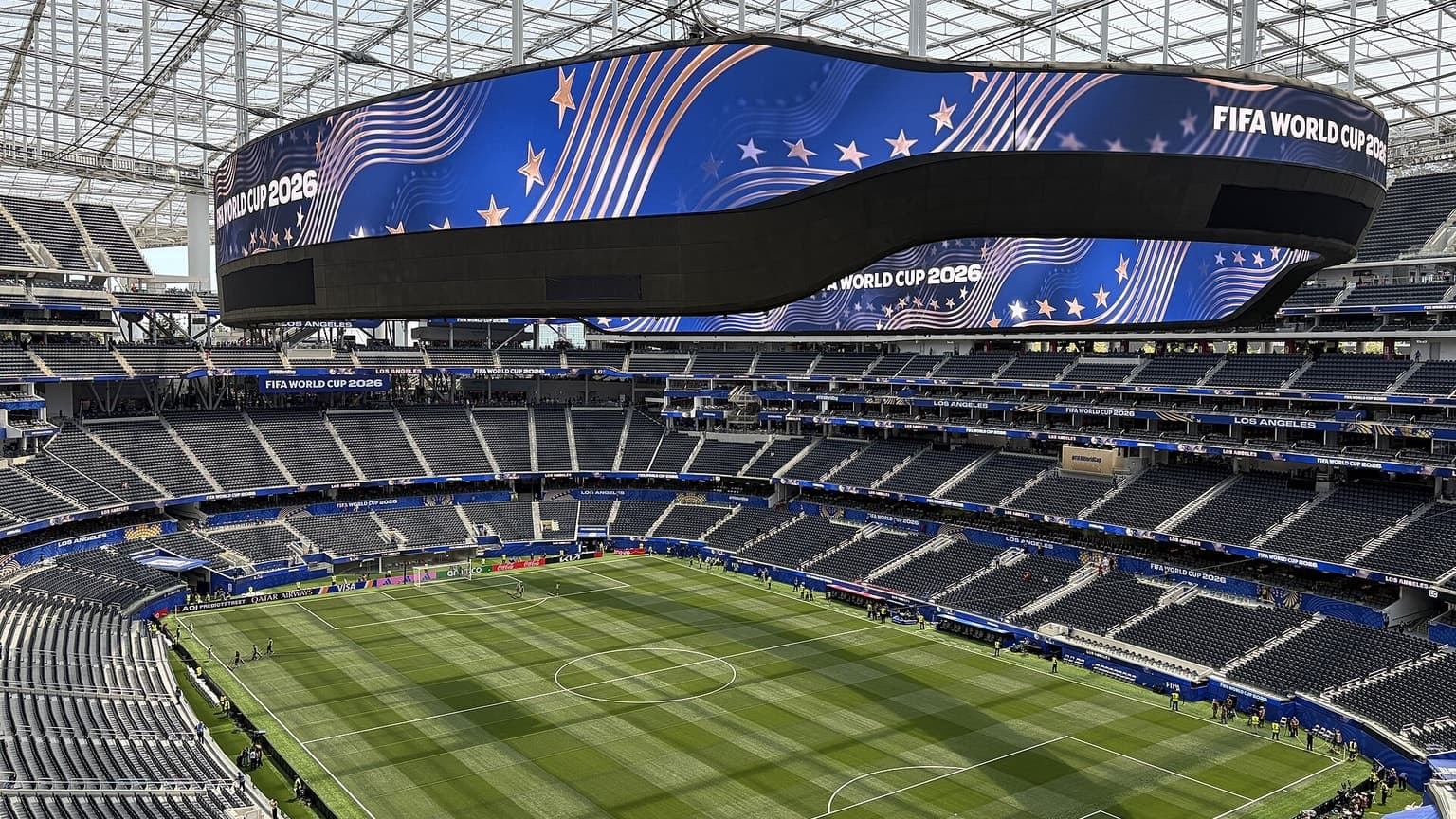
Toronto hosts the first World Cup match ever played on Canadian soil on June 12, with the host nation opening against Bosnia and Herzegovina. The USMNT opens its campaign at SoFi Stadium in Inglewood on June 12, a venue that's hosted Super Bowls, Beyoncé and Kendrick, now repurposed as a national stage. The symbolism is loud: the World Cup is colonizing the same spaces our biggest cultural moments already live in.
Then there's the human geography. NPR reported that 39 teams will base their training camps inside the U.S., meaning your city could be hosting a national team for a month: players grocery shopping, training in public, becoming neighborhood folklore. That kind of access doesn't exist at a World Cup held a continent away.
The fits are already loading
If you've watched soccer's grip on streetwear tighten over the last few years (blokecore, vintage jersey resale, the rise of the football scarf as a fashion object), 2026 is the supercharger. National team kits are the most democratic luxury item in sport: you can rep your heritage, your adopted underdog, or just the colorway that goes hardest. Expect the summer's uniform to be a national jersey over cargo shorts, retro Sambas, and a tournament scarf knotted at the neck even in July heat.
Brands know it. The jersey drop calendar has been treated like a sneaker release schedule, with limited "away" kits selling out in minutes and resale markets spinning up around the rarest colorways. The World Cup has effectively become a six-week fashion week where the runway is a stadium concourse.
The USMNT carries a heavier flag
Hosting raises the stakes for the home team. Mauricio Pochettino named his 26-man roster after 19 months of evaluation, headlined by Christian Pulisic, now the squad's undisputed star with 32 goals, fifth-most in USMNT history. The roster blends 13 holdovers from the 2022 round-of-16 team with 13 first-time World Cup players, and at an average age just under 27, it's one of the youngest squads the U.S. has ever sent.
The pressure is real. A home World Cup is a once-in-a-generation chance to convert casual American sports fans into lifers, and the team knows the cultural ceiling is enormous. Even snubs became storylines: Yunus Musah missing the final cut sparked days of debate. For a country that historically treats soccer as a side dish, the 2026 tournament is a referendum on whether the sport finally graduates to the main course.
What to actually do this summer
You don't need a ticket to be inside it. Here's how the culturally literate move:
- Pick your second team early. Everyone backs the home nation, but the real flex is adopting an underdog with a great kit and a great story. Commit before the group stage so your bandwagon credentials are airtight.
- Find your fan zone. Host cities are building official viewing sites, but the unofficial ones (the diaspora bars, the parks, the rooftops) are where the atmosphere actually lives.
- Treat the jersey like a sneaker. If there's a colorway you love, buy it now. The good ones evaporate.
- Respect the diaspora. Mexico, the co-host, brings one of the loudest, most stylish fan cultures on earth. The smartest move all summer is watching a Mexico match in a Mexican neighborhood.
The bigger picture
Sport's gravity is shifting toward culture, and the 2026 World Cup is the clearest proof yet. It arrives at a moment when soccer's aesthetics have already infiltrated fashion, when American interest in the sport is climbing, and when the appetite for shared, in-person, screen-optional experiences has never been higher.
For six weeks, the biggest tournament in human history will be happening within driving distance of most of this audience. The matches will deliver drama, but the real event is everything orbiting them: the fits, the fan zones, the heritage worn loud, the city blocks transformed into terraces. Summer 2026 doesn't belong to a song or a movie. It belongs to a ball.