The one summer everyone becomes a soccer fan
The 2026 World Cup is going to swallow the culture whole, and that means a lot of people who've never watched a full 90 minutes are about to fake it. This guide is so you don't have to fake it. By the time the group stage kicks off, you'll know the format, the geography, your second team and the fit. Show up like a lifer.
The format: bigger than ever
First, the basics that make 2026 historic. It's the first World Cup co-hosted by three nations (the U.S., Mexico and Canada) and the first with 48 teams instead of 32. The tournament runs June 11 to July 19, 2026.
More teams means more games, more groups, and a longer, denser tournament than any before it. The group stage runs June 11–27, after which the knockout rounds begin and the field narrows toward the final on July 19. Practical translation: there's meaningful soccer on nearly every day for over a month. You will not run out of matches to have an opinion about.
The geography: it's all around you
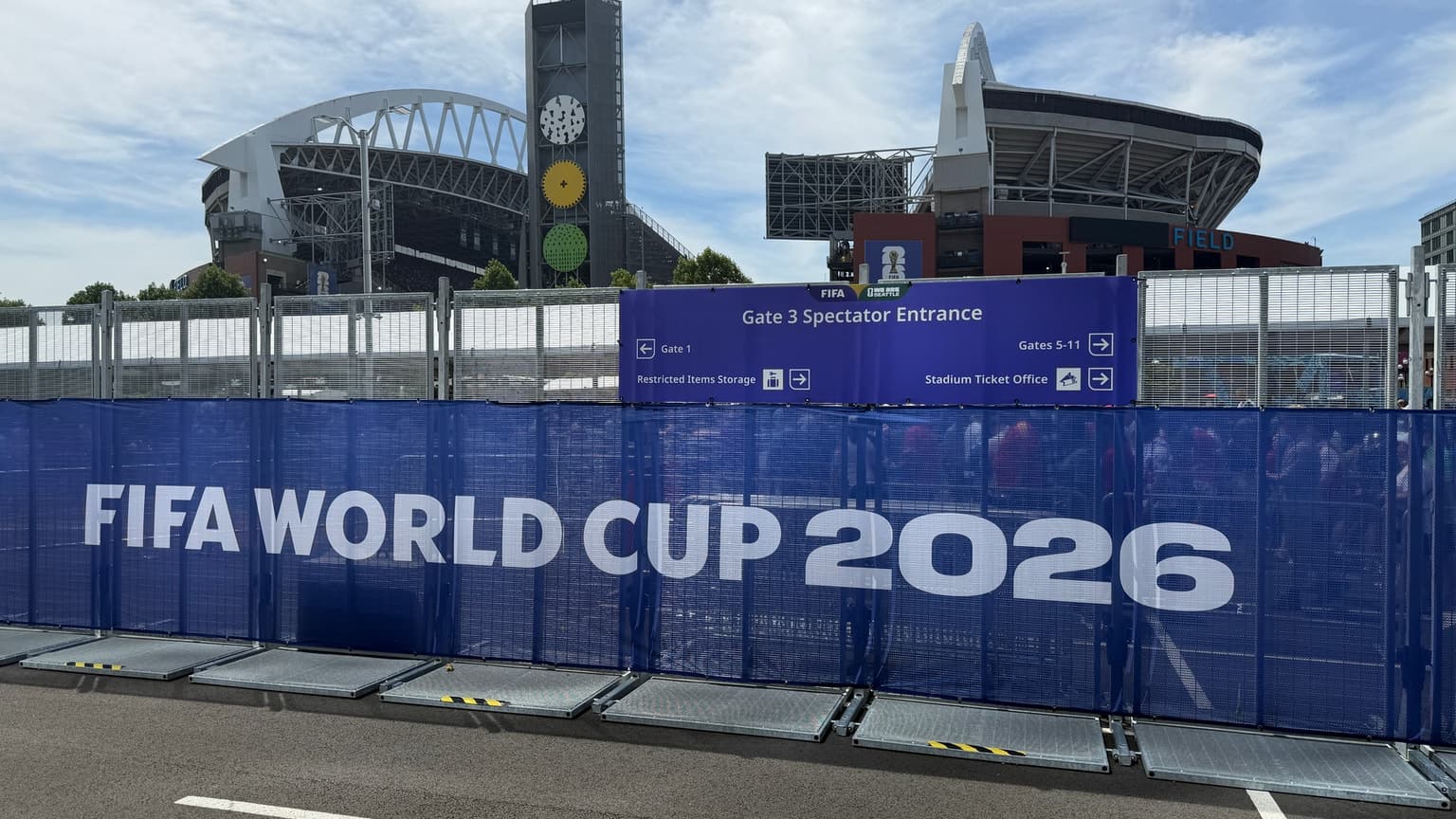
Sixteen host cities span the continent. The eleven U.S. hosts are New York/New Jersey, Los Angeles, Dallas, Atlanta, Miami, Boston, Philadelphia, Houston, Kansas City, the San Francisco Bay Area and Seattle. Mexico brings Mexico City, Guadalajara and Monterrey; Canada brings Toronto and Vancouver.
A few dates to circle:
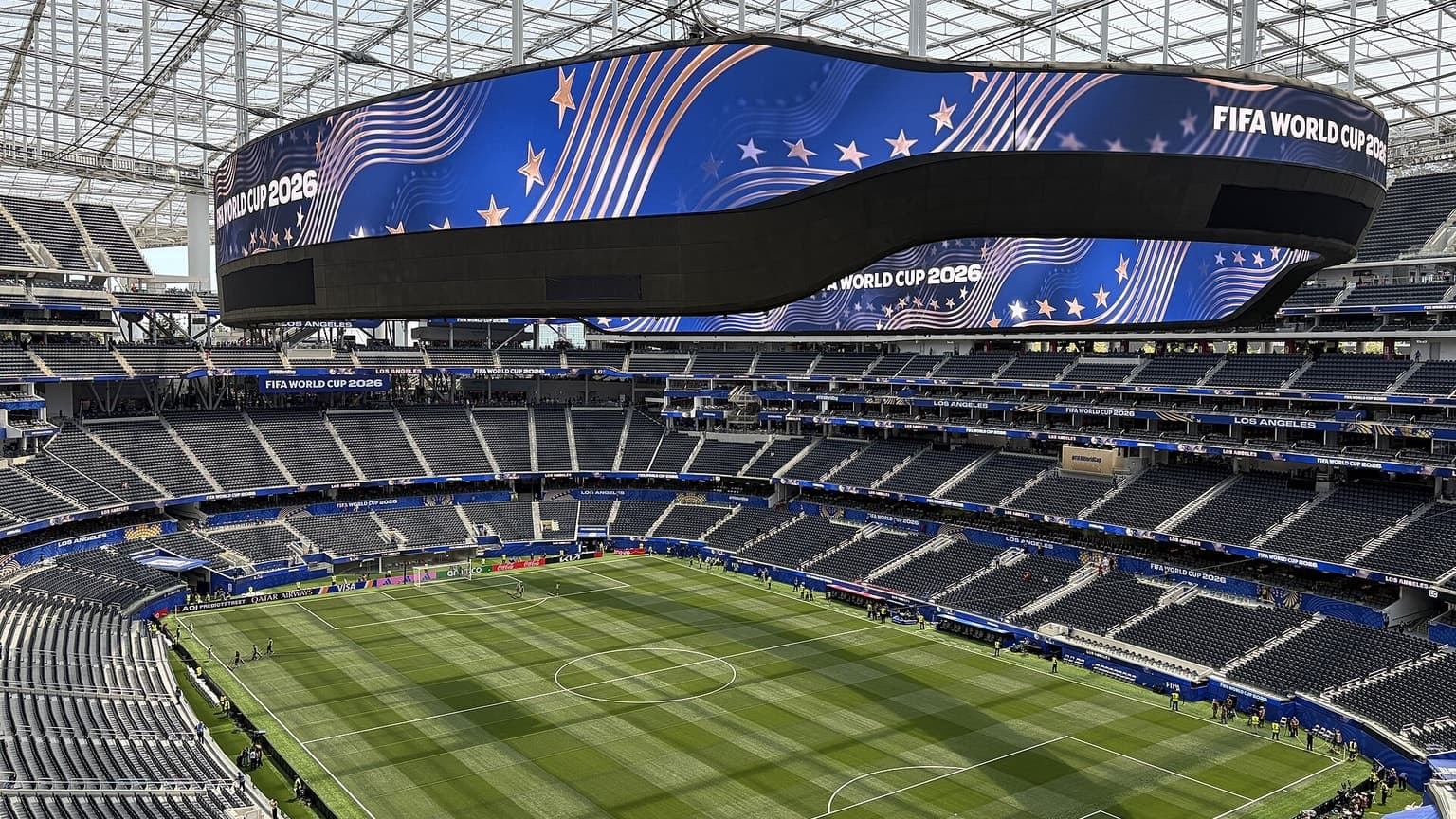
- June 12: The USMNT opens at SoFi Stadium in Inglewood, and Canada plays the first-ever World Cup match on Canadian soil in Toronto against Bosnia and Herzegovina.
- The group stage (June 11–27) is the daily-drama phase, the best time to sample teams and find your second squad.
And here's a sleeper detail: NPR reported that 39 teams will base their training camps inside the U.S. There's a real chance a national team is training near you for weeks. Track it. Showing up to an open training session is the ultimate insider move.
Pick your second team (the most important decision)
Everyone backs the host nation. The actual flex is your second team, the one that shows taste. Commit early so your credentials are airtight by the time the group stage starts. A few archetypes:
- The aesthetic pick. Choose a nation for the kit and the vibe. There's no shame in this; half the internet does it. Just own it.
- The underdog with a story. With 48 teams, more nations than ever get a stage, including first-timers. Adopt a debutant and ride the narrative.
- The heritage pick. If you've got roots somewhere in the field, this is the obvious play, and the most authentic.
- The diaspora pick. Mexico, a co-host, brings one of the loudest, most stylish fan cultures on earth. Backing a team with a deep local community means the best atmosphere.
Pick one. Defend it. Do not switch when they lose.
The fan-zone playbook
You don't need a ticket to be inside the tournament. Host cities are building official fan zones with big screens, but the soul of World Cup watching lives in the unofficial spots:
- The diaspora bar. Find the bar that's the home of your second team's community. The atmosphere there beats any stadium concourse.
- The park watch party. Outdoor screens, lawn chairs, total strangers hugging over a goal. This is the format at its best.
- The rooftop. For the big knockout matches, elevation plus a crowd equals the move.
The rule: watch with people who care more than you do. Their energy is the whole experience.
The fit: dress the part
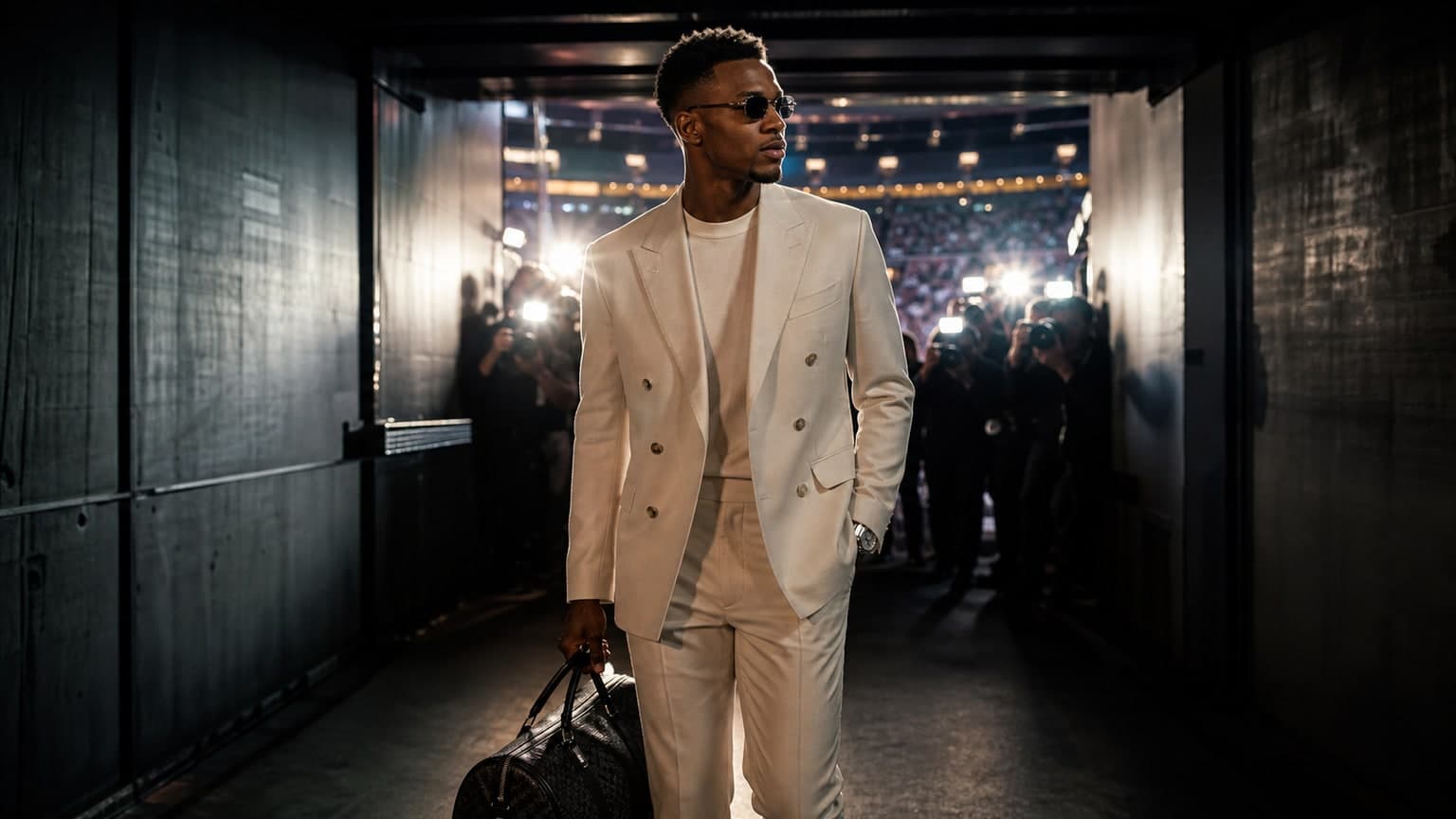
World Cup summer is effectively a six-week fashion week, and the dress code is simple. The base layer is a national team jersey: yours, your second team's, or a vintage classic. Style it like streetwear: over cargo shorts or baggy denim, with retro terrace sneakers (Sambas and their cousins are eternal here), and a tournament scarf knotted at the neck even in July heat.
Two style notes:
- Buy the jersey now. The good colorways move like sneaker drops and evaporate fast. If there's a kit you love, cop before the tournament starts.
- Vintage scores points. A genuinely old jersey signals you didn't just discover the sport last week. It's the closest thing to a credibility badge.
The vocabulary starter pack
A few terms so you don't get exposed:
- The group of death: the toughest group, where strong teams might not advance. There's always one.
- Going through: advancing out of the group stage.
- Nil: zero. It's "two-nil," never "two-zero."
- The knockouts: the single-elimination rounds after the groups. Where it gets unbearable in the best way.
Just enjoy it
The deepest secret of World Cup fandom is that you don't need to be an expert to belong. The tournament is built for collective joy: for strangers screaming at the same screen, for a whole city pulling one direction, for the kind of shared experience that's gotten rarer in a fragmented culture.
The 2026 edition is the biggest ever, it's in our backyard, and it's going to define the summer. Pick a team, find your spot, wear the kit, and let it take you. By July you won't be faking it anymore.