The wall came down and nobody noticed
There used to be a clean line. Sports lived in one section of the culture (the sports section, literally) and fashion, music and internet stuff lived everywhere else. People crossed over occasionally, a rapper at courtside, an athlete at a fashion show, but the categories held.
That line is gone. Not blurring. Gone. In 2026, sports isn't a genre competing for attention against fashion and music and internet culture. It's the operating system all of them increasingly run on. The most interesting fashion conversation of the week happens in an NBA tunnel. The biggest luxury bet of the decade is on Formula 1. The hottest growth story in media is a women's basketball league. Sport stopped being a vertical and became the substrate.
The receipts are everywhere
Look at what just happened across a single sports calendar.
The WNBA's media rights deal jumps from roughly $60 million a year to around $200 million annually starting in 2026, spanning Disney, NBCUniversal and Amazon, a more-than-triple increase backed by the largest single-year fan surge any sport has seen since at least 1994. The league expanded to 15 teams, and its biggest stars top marketability indexes that used to be the exclusive territory of men's leagues. That's not a sports story. That's a culture story that happens to involve basketball.
Formula 1 signed LVMH to a 10-year global partnership wiring Louis Vuitton, Moët Hennessy and TAG Heuer into the sport, because, in F1's own words, it's become "a true cultural phenomenon." Lewis Hamilton's Ferrari debut, styled in Louis Vuitton, became the most-liked F1 post ever. The fit out-engaged the racing.
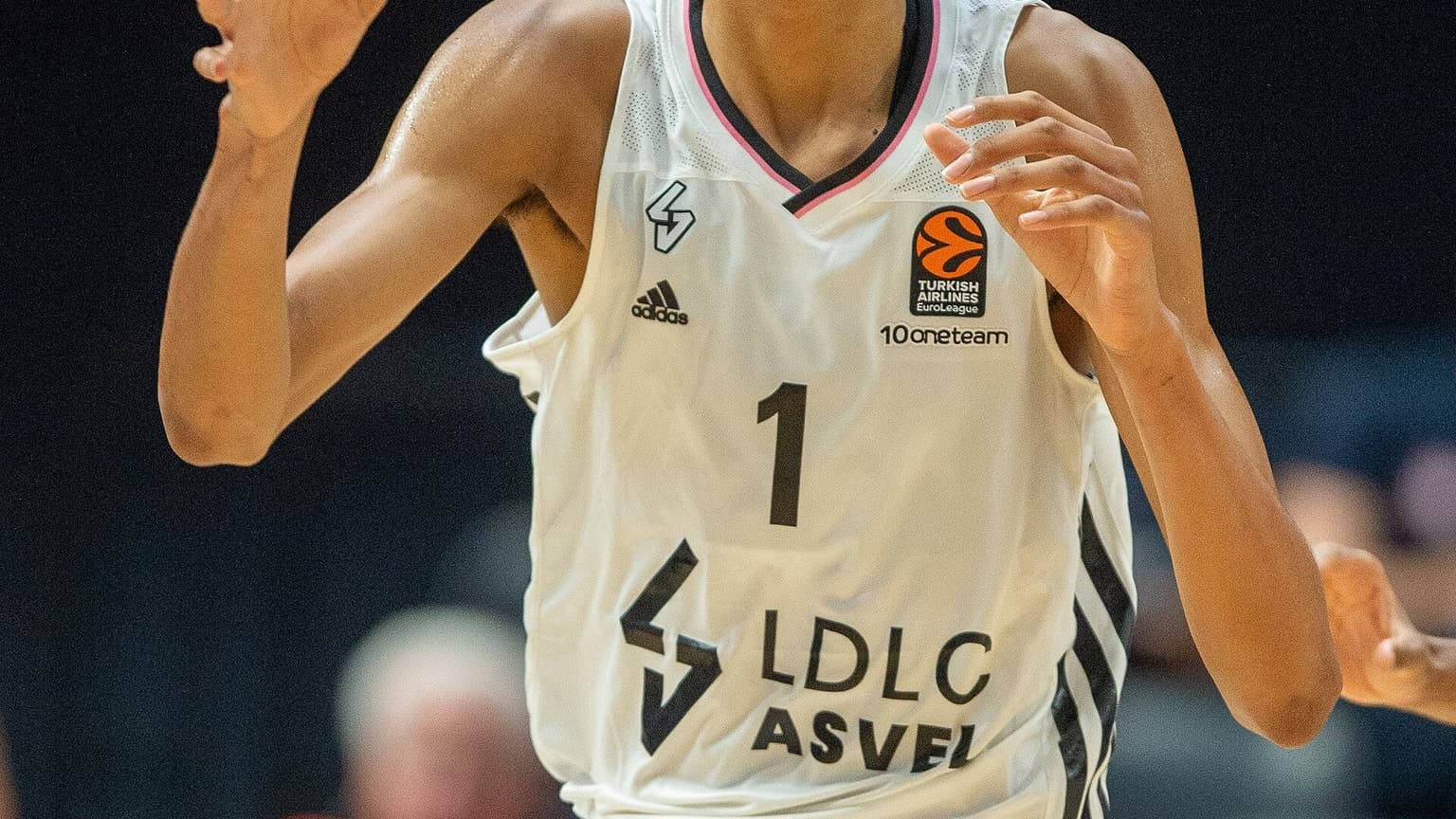
The NBA tunnel became a permanent menswear institution, with Victor Wembanyama turning a robe into a statement that forecast a playoff dominance, and a leaguewide pivot toward quiet-luxury tailoring that fashion editors track like a runway. And padel, a racket sport in a glass box, went from European secret to global status symbol because Messi, Beckham and Leonardo DiCaprio made it a lifestyle, with Prada now selling a $1,970 racket.
None of these are "sports plus a fashion angle." They're evidence that sport has become the dominant venue where culture gets made, worn and sold.
Why sport won
The reasons aren't mysterious. Sport has three things the rest of the culture is starving for.
It's live and it's real. In an era of infinite on-demand everything, sport is one of the last forms of genuinely unscripted, can't-spoil-it, must-watch-now content. You cannot algorithm your way to knowing who wins. That scarcity of real stakes is priceless.
It's communal. Culture has fragmented into a billion niches, but sport still pulls entire cities and countries in one direction at one time. A home World Cup, a Game 7, a title race: these are among the only events left that create shared, in-person, screen-optional experience. That's rare and getting rarer.
It has characters. Reigning back-to-back MVP Shai Gilgeous-Alexander, the alien genius of Wembanyama, Pulisic carrying a nation's hopes: sport produces narrative and personality at a volume no scripted medium can match, and it does it in real time. Personality is the currency of the internet, and sport mints it nightly.
What it means for the people watching
If you're a culturally fluent person under 40, you probably already live this without naming it. You found F1 through a docuseries and stayed for the fits. You discovered the WNBA through a rookie's crossover fame. You watch NBA tunnel arrivals as much as the games. You're eyeing a padel court because the right people are on one. Your relationship to sport runs through style, narrative and community as much as through scores.
That's not a lesser way to be a fan. It's the dominant way now, and the industry has reorganized around it. Leagues sell lifestyle because lifestyle is more durable than results. Brands chase sport because sport delivers the live, communal, character-rich attention nothing else can. Athletes build personas because the persona travels further than the highlight.
The summer that proves it
There is no cleaner illustration coming than summer 2026. The largest World Cup in history (48 teams, 16 cities, three nations) lands across North America, and it will not register primarily as a soccer tournament. It'll register as the cultural event of the summer: the fits, the fan zones, the kits worn as streetwear, the diaspora bars, the heritage worn loud. The matches are the engine, but the culture is the car.
That's the whole thesis in one event. Sport is no longer the thing you watch when you're done with culture. It's increasingly the place culture happens first, where the fashion gets made, the music gets played, the internet gets its main characters, and the whole sprawling thing finds, for a few hours at a time, something to agree on.
The wall came down. The smartest move now is to stop pretending it was ever there.
Image: Xinhua via Alamy