Walk a grocery aisle in 2026 and protein is no longer a food group. It's a marketing claim. It's in the cereal, the pancakes, the ice cream, the bottled water, the coffee creamer. "High protein" has become shorthand for "healthy," whether or not the product needed it. Somewhere along the way, a legitimate nutritional priority curdled into an obsession.
So let's reset with what the research actually supports: how much protein you need, where it should come from, and why the label on your protein-fortified granola is mostly selling you a feeling.
This is general nutrition information, not medical or dietary advice. A registered dietitian can tailor numbers to you.
How much do you actually need?
Start with the baseline. The standard RDA for protein is about 0.36 grams per pound of body weight, roughly 60 grams a day for a 165-pound person. That's the floor designed to prevent deficiency, not the ceiling for performance.
Here's where it gets interesting, and where the obsession has a kernel of truth. For active people and especially older adults, higher intakes appear genuinely beneficial. Some observational research suggests intakes in the range of 1.0 to 1.6 grams per kilogram of body weight per day are associated with greater muscle strength and function. For someone training hard or trying to preserve muscle with age, aiming above the bare-minimum RDA is reasonable and evidence-supported.
But notice the ceiling implied in those numbers. The marketing vibe (that more protein is always better, infinitely) isn't what the data says. Past the point where you're supporting muscle protein synthesis and your goals, extra protein is just expensive calories. You don't need 250 grams a day to be healthy, and you almost certainly don't need protein in your water.
The whey-versus-plant question
This is the debate the supplement aisle loves, and the answer is more nuanced than either camp admits.
Whey has a real edge for muscle building, particularly in older adults. It's a fast-digesting complete protein loaded with branched-chain amino acids, especially leucine, the amino acid that most directly flips the switch on muscle protein synthesis. Research has repeatedly found whey effective for building muscle, often more so than plant proteins or casein.
But the plant story has improved sharply. Recent 2025 research offers a more optimistic view: studies have found pea and whey proteins share similar properties for maintaining muscle protein synthesis, and pea protein can be a solid recommendation for people who don't eat enough animal protein. The old assumption that plant protein is automatically inferior is being walked back. A well-formulated plant blend (pea plus rice, for instance, to round out the amino acid profile) can do the job.
The practical translation: if you eat animal products and tolerate dairy, whey is a cheap, effective default. If you don't, a quality plant blend is no longer a compromise. Variety across sources, which 2025 nutrition guidance increasingly emphasizes, is a perfectly good strategy too.
The case for older adults
One group genuinely should care more about protein, and it's not 22-year-old gym-goers: it's older adults. Muscle loss with age (sarcopenia) is a real threat to independence and longevity, and protein intake is central to fighting it. Harvard Health and others note that older adults may need more protein than the baseline RDA to preserve muscle, and supplements offer a convenient way to fill the gap for those with smaller appetites. The protein craze got the priority right; it just aimed the message at the wrong demographic. The 25-year-old eating chicken and rice is fine. Grandma might genuinely benefit from more.
So what about the protein cereal?
Here's the cultural reality check. Most people who don't have a specific reason to track it are already getting adequate protein from a normal diet. The protein-fortified everything is, for the average person, solving a problem they don't have, usually at a markup, sometimes with added sugar or worse ingredients smuggled in behind the health halo.
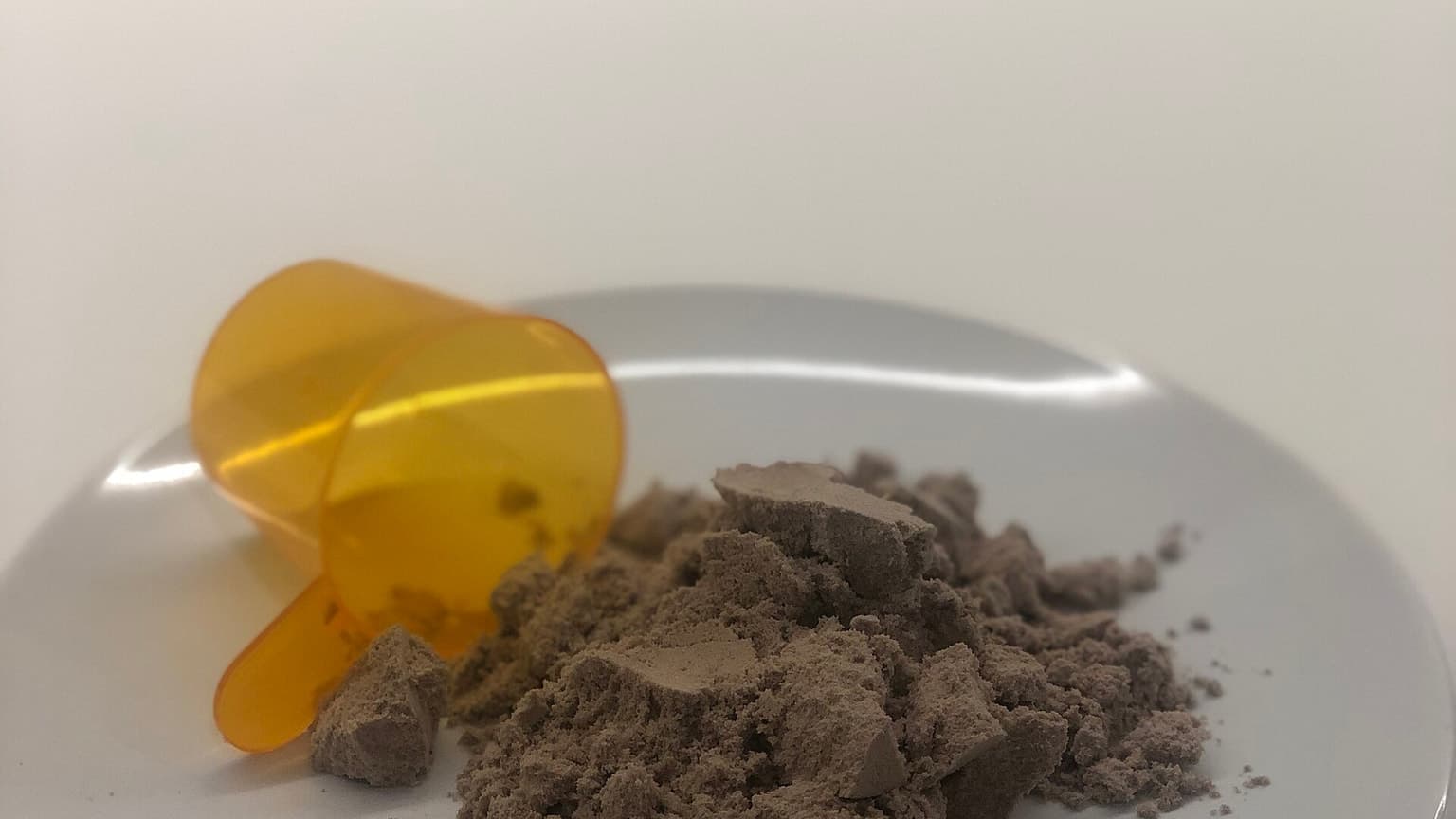
That doesn't make protein powder useless. If you're training hard, dieting, vegetarian, older, or just genuinely struggling to hit your target from food, a scoop of whey or a plant blend is a cheap, effective convenience tool. The key word is tool: something that closes a real gap, not a magic ingredient that makes a cookie nutritious.
The bottom line
Protein matters. Most people benefit from getting enough, and active people and older adults often benefit from getting more than the bare minimum. But "more is infinitely better" is a marketing fiction, the whey-versus-plant gap has narrowed, and the protein-water-industrial-complex is mostly selling reassurance.
Figure out your real target (somewhere between the RDA and the higher active range, depending on your goals), hit it with mostly whole foods, lean on a powder when convenient, and stop letting a cereal box make your nutrition decisions for you.