
For two decades, gym culture sorted people into tribes. You were a lifter or a runner. You chased size or you chased miles. Crossing over was almost a betrayal: cardio "kills your gains," lifting "makes you slow." In 2026, that wall has basically collapsed. The flex now is to be strong and fast, and three overlapping trends (hybrid training, Zone 2, and HYROX) are how a generation got there.
Here's what each one actually is, why it exploded, and how to fold them together without running yourself into the ground.
Hybrid training: the death of "pick a lane"
Hybrid training is exactly what it sounds like: combining serious strength work with serious endurance work in the same program, rather than treating them as rivals. It migrated out of niche corners (military prep, CrossFit) and went fully mainstream, driven by people who simply want to be capable across the board instead of elite at one narrow thing.
The old fear was "concurrent training interference": the idea that endurance work sabotages muscle growth. Newer research is more forgiving: program it intelligently and you can build both strength and cardiovascular fitness at the same time. The key word is intelligently. Hybrid training done carelessly is just a great way to be mediocre at two things and exhausted at all of them.
Zone 2: the cardio the longevity crowd fell for
If hybrid training is the philosophy, Zone 2 is the engine room. Zone 2 is low-intensity, steady-state cardio at roughly 60–70% of your max heart rate: easy jogging, cycling, or incline walking for 30 to 60 minutes, at a pace where you can still hold a conversation.
It blew up because the longevity and optimization crowd discovered it improves mitochondrial function, metabolic flexibility, and cardiovascular health without the fatigue cost of all-out HIIT. That's the magic: Zone 2 builds your aerobic base cheaply, in terms of recovery. You can do a lot of it without wrecking yourself, which makes it the perfect endurance complement to heavy lifting.
The cultural irony is rich. After years of "go harder, sweat more, no pain no gain," the hottest cardio trend of 2026 is going easy on purpose. The catch is discipline: true Zone 2 feels almost too gentle, and most people unconsciously drift faster, turning an easy aerobic session into a junk-effort grind. A heart-rate strap keeps you honest.
HYROX: the race that gamified the whole thing
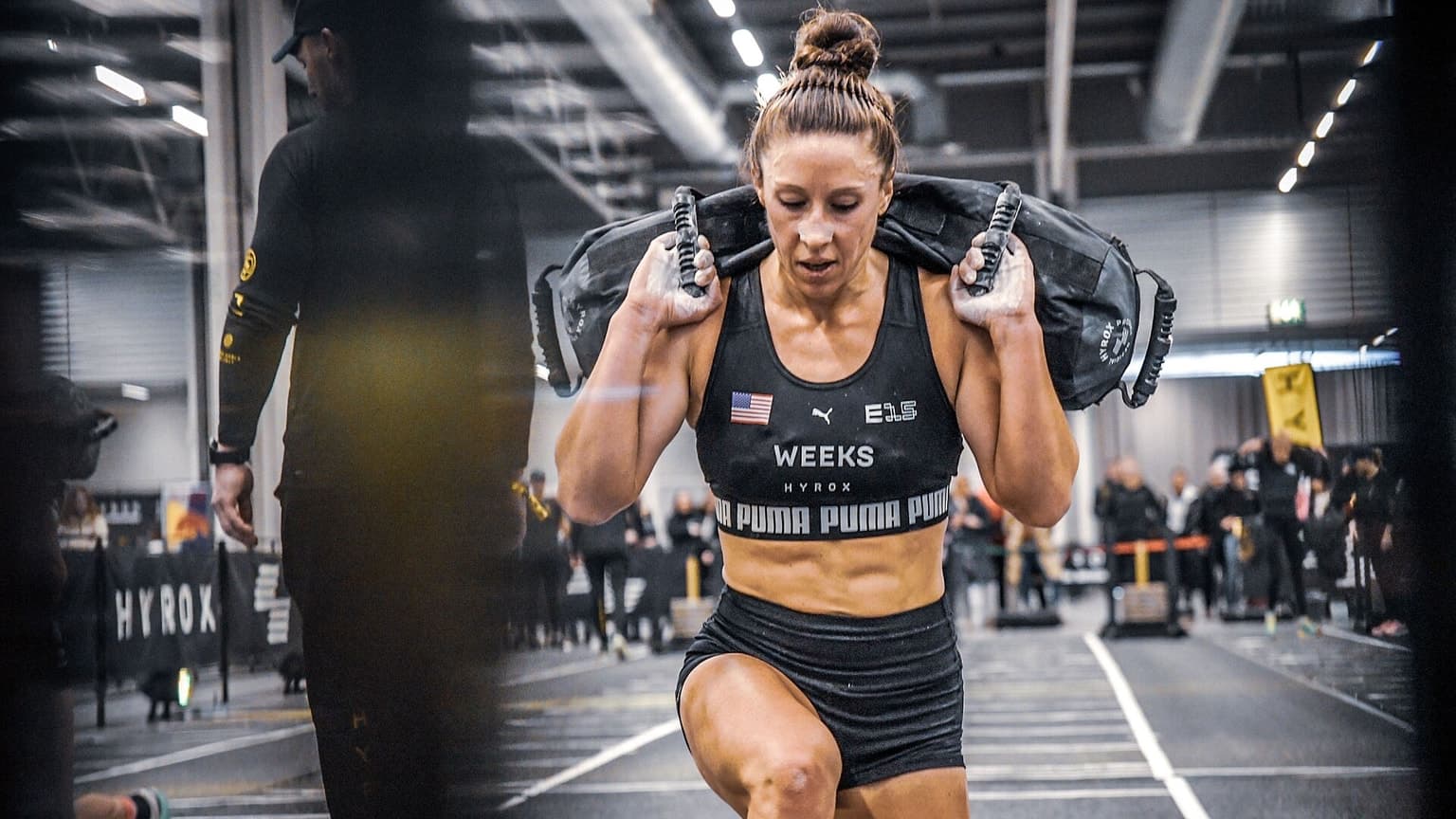
Then there's HYROX, the format that turned hybrid fitness into a global competition. Each race pairs eight one-kilometer runs with eight functional workout stations (sled pushes, burpees, rowing, wall balls) for a full-body test of strength and stamina. The growth is staggering: from about 600 participants in 2018 to over 550,000 entrants in 2025.
HYROX matters culturally because it gave hybrid training a finish line. Instead of training vaguely "to be fit," people now train for a specific, measurable, social event, and community plus a goal is the single most reliable driver of consistency in fitness. It's the run-club energy of 2026 with a scoreboard attached.
How to combine them without burning out
The promise of hybrid is also its trap: trying to max everything at once is the fastest route to overtraining. A few principles keep it sustainable.
Separate your hard days. Don't stack your heaviest lifting and your hardest running on the same day if you can help it. Let intensity live in different sessions so each system gets a real stimulus and real recovery.
Make Zone 2 the bulk of your cardio. Keep most endurance work easy and aerobic, and reserve the lung-busting high-intensity efforts for one or two sessions a week. This is how you accumulate volume without frying yourself.
Respect recovery as training. More is not the answer when you're already doing two disciplines. Sleep, food, and rest days are what let the adaptations actually happen. The athletes who thrive in hybrid training are usually the ones who recover hardest, not the ones who train most.
Pick a priority, season by season. You can build both, but you'll progress fastest if one is the clear focus at any given block while the other is maintained. Chase everything equally, all the time, and you tend to stall everywhere.
Why it actually stuck
It would be easy to file hybrid training under "passing fad," but it maps neatly onto a deeper 2026 shift: training for capability and longevity rather than just aesthetics. A 2025 survey found around 60% of Americans now cite healthy aging as a top fitness motivator. People increasingly want a body that can run a fast 5K and carry the groceries up four flights and still be doing both at 70.
That's the real appeal of strong-and-fast. It's not a look. It's a hedge against your future self. And unlike most fitness trends, it points at a goal worth keeping long after the hype moves on.
This is general fitness information, not medical advice. Check with a professional before starting an intense new training program.