For most of its existence, creatine had a branding problem. It lived in the same mental cabinet as preworkouts and protein tubs the size of paint buckets: a thing for people who count their reps out loud. In 2026, that image is officially over. Creatine sales in the performance category jumped roughly 72% in 2025, and the new buyers aren't who you'd expect: menopausal women, longevity nerds, students cramming for finals, and people who have never set foot in a squat rack.
So what changed? Not the molecule. The story did.
What creatine actually is
Creatine is a compound your body already makes and stores mostly in muscle, where it helps regenerate ATP, the fast energy currency cells burn during short, intense effort. Supplementing raises those stores, which is why creatine is one of the few sports supplements with a genuinely deep evidence base for improving power output, sprint performance, and training volume. This isn't hype. It's been studied for decades and it works.
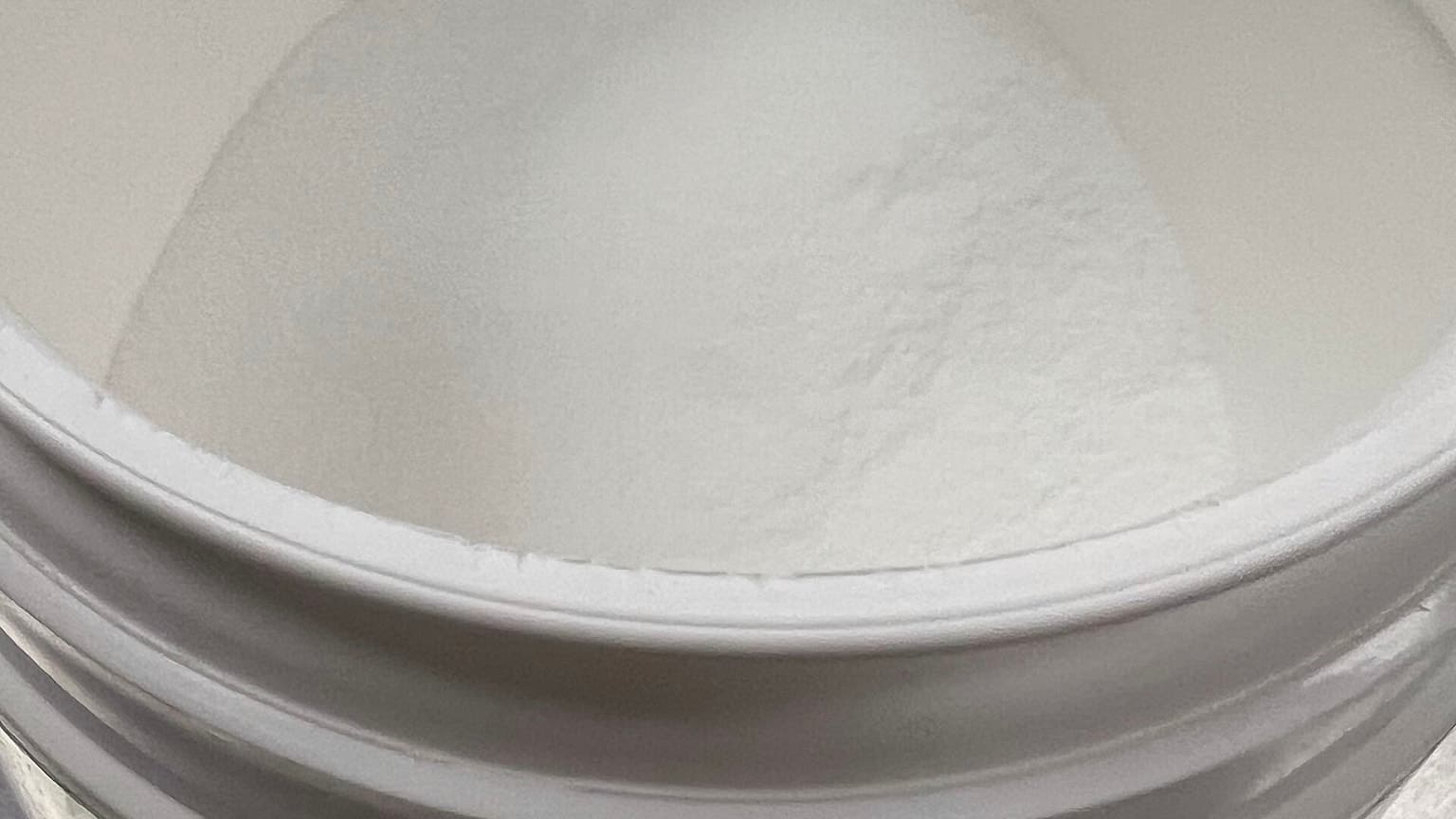
The standard, boring, effective version is creatine monohydrate. Despite a shelf full of "advanced" formulations promising better absorption, monohydrate remains the gold standard: best researched, cheapest, and as effective as anything dressed up next to it. If a product charges triple for a fancier name, you're mostly paying for marketing.
The brain pivot
The reason creatine is suddenly everywhere isn't muscle. It's the neck up. Your brain is metabolically expensive, and researchers have been probing whether topping up creatine stores can support cognition, especially under stress, fatigue, or sleep deprivation.
The evidence is genuinely promising, with caveats. A 2024 systematic review and meta-analysis found creatine supplementation may benefit aspects of cognitive function in adults, particularly memory, attention, and processing speed. A 2025 systematic review in older adults reported that the majority of studies showed a positive relationship between creatine and cognition, especially memory and attention. And a small 2025 pilot study even explored higher-dose creatine in Alzheimer's patients, reporting improvements in measures of cognition. Early, preliminary work, but enough to keep researchers interested.
The takeaway for a healthy 24-year-old isn't "creatine makes you smarter." It's subtler: when your system is taxed (bad sleep, hard training, mental fatigue), creatine may help buffer the dip. That's a more honest pitch than the supplement industry usually offers.
Who's actually picking it up
The expanding audience tells the cultural story. Women, long scared off by myths about bloating and "bulkiness," are a fast-growing segment, with interest spiking around perimenopause and menopause when muscle and bone preservation matter most. The longevity crowd folds creatine into stacks aimed at the "marginal decade." And the format is changing to match: creatine now shows up in gummies, hydration sticks, chews, and fortified foods, not just tubs of powder.
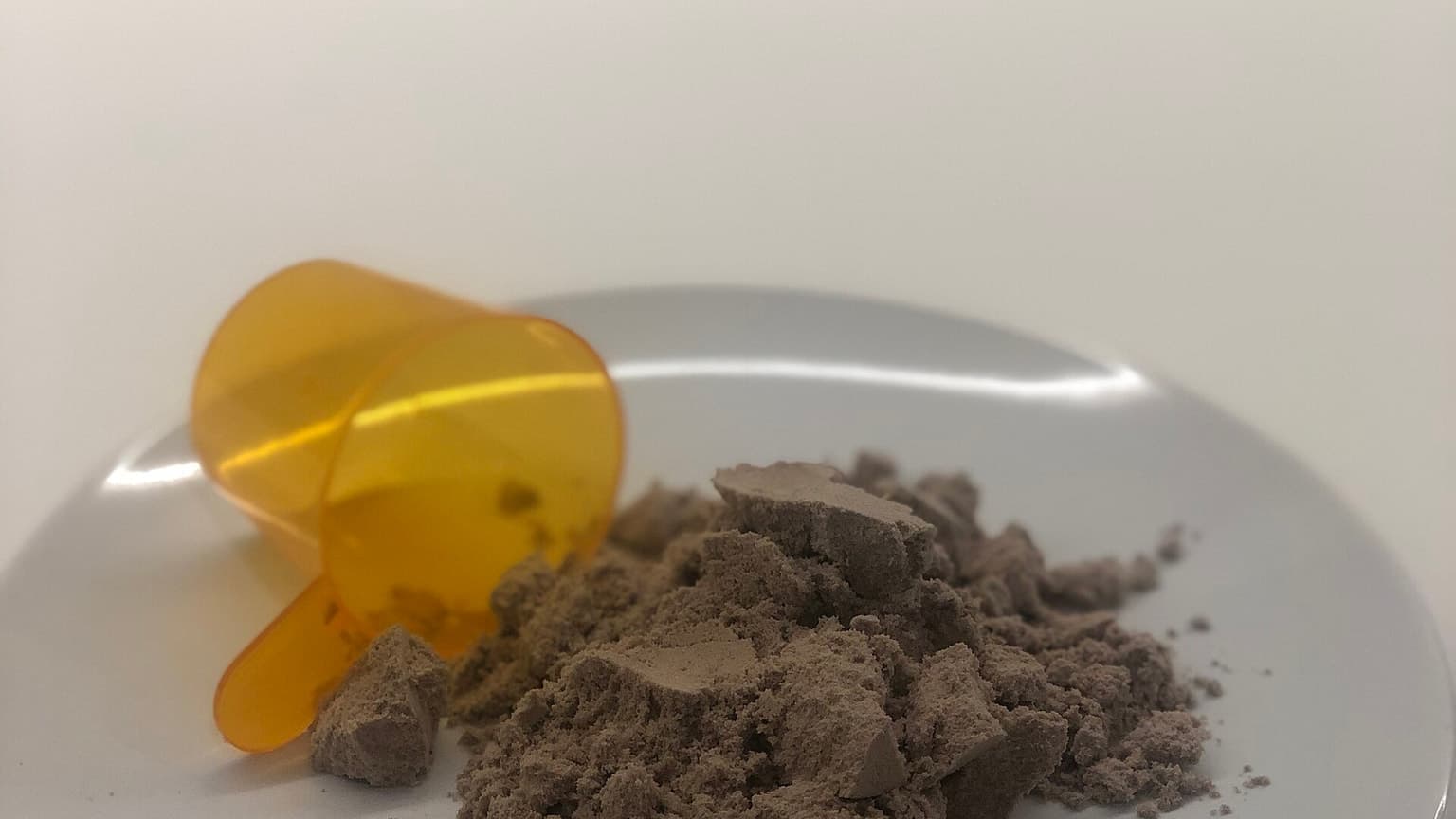
That convenience push is real, but worth a flag. Powder is the cheapest and most reliable way to actually hit a meaningful daily dose. Gummies are convenient, but check the label: some deliver a fraction of what you'd get from a standard scoop, and you can end up paying a premium for a sugar-coated rounding error.
How people use it (and the honest caveats)
The widely studied approach is a consistent daily dose taken every day, training or not, because the benefit comes from keeping muscle and brain stores saturated over time, not from any single serving. Some people "load" with a higher intake for a week to saturate faster; others skip that and just stay consistent. Timing barely matters. Consistency is the whole game.
A few honest notes. Creatine pulls a little water into muscle cells, which can nudge the scale up early. That's intracellular water, not fat, and it's part of how creatine works, not a side effect to fear. It's well tolerated in healthy people across years of study, including at the higher doses being trialed for cognition, with an excellent safety record reported at the 2025 Creatine Conference. The persistent rumor that creatine damages healthy kidneys hasn't held up in the research. That said, if you have kidney disease or another medical condition, talk to a doctor first.
This is general information, not medical advice. Talk to a qualified healthcare professional before starting any supplement, especially if you have an existing health condition.
The bottom line
Creatine's glow-up is a rare case where the hype is mostly catching up to evidence that was already there. It's cheap, deeply studied, and useful well beyond the weight room: for power, for recovery, and possibly for keeping your brain sharper when life is grinding you down. It won't transform you, and anyone selling it as magic is overpromising.
But in a supplement market drowning in expensive nonsense, creatine remains the rare thing worth the cabinet space. Buy the plain monohydrate, take it daily, and ignore the fancy labels. The boring version is the one that works.