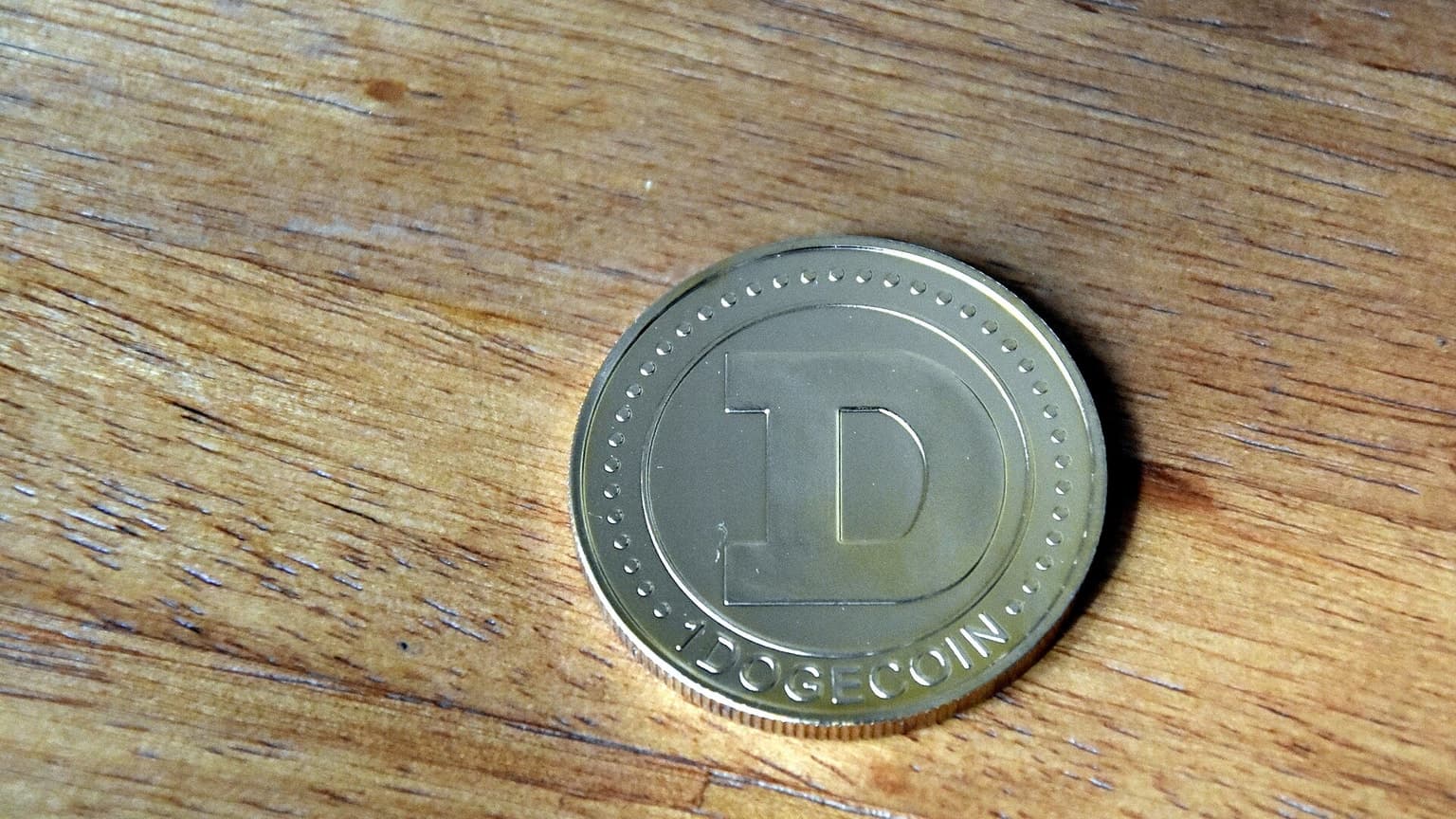
For a few wild months in early 2025, the internet invented a new sport: making a coin out of literally anything and seeing if strangers would pile in before it died. Sometimes they did. Mostly they didn't. Either way, it was the purest expression of online culture's chaos engine we've maybe ever seen: a casino built entirely out of jokes.
Then the casino ran low on players. Welcome to the memecoin heat death.
The mania, by the numbers
A memecoin is exactly what it sounds like: a cryptocurrency with no pretense of utility, riding entirely on a joke, a mascot, or a moment. The 2025 boom happened because a Solana-based launchpad called Pump.fun made creating one frictionless: no coding, a few clicks, and your token is live and tradeable in minutes.
The result was a token factory running at a scale that's genuinely hard to picture. At the January 2025 peak, around 72,000 new tokens were being created per day. Per day. The global memecoin market cap swelled to roughly $93 billion.
By January 2026, that market cap had fallen about 61% to $36.5 billion. New launches on Pump.fun collapsed from ~70,000 a day to a yearly low under 10,000. The heat death wasn't a crash so much as an exhaustion: the energy dissipated, the way a system runs down when there's nothing left to burn.
The cultural specimens
What makes memecoins fascinating isn't the finance. It's that they're an instant, on-chain readout of what the internet finds funny in real time.
- Moo Deng, inspired by a viral baby pygmy hippo, hit a market cap over $170 million within three days of launch. A zoo animal became a nine-figure asset because the timeline decided it was cute.
- Fartcoin climbed to roughly $392 million. There is no joke to add here; the name is the joke and the market funded it.
- Pippin ($442M) and Alchemist AI ($270M) rode the AI-mascot wave.
- And looming over all of it, the Official Trump (TRUMP) token, launched days before the 2025 inauguration, briefly topped $6 billion, the largest Solana memecoin ever, and a moment where internet-coin culture and actual political power collided in a way nobody had a framework for.
These aren't investments in any traditional sense. They're attention, securitized. A meme with a ticker. The market cap is just a live applause meter for a joke.
Why Solana became meme central
The infrastructure mattered. Solana can handle roughly 65,000 transactions per second with fees often under a penny. When minting and trading a token costs fractions of a cent and settles instantly, you get an environment where launching a coin is as casual as posting. That technical reality (cheap, fast, frictionless) is why the casino could run 72,000 games a day. Friction is the only thing that slows mania, and Solana removed it.
The dark machinery underneath
Here's the part the rocket-emoji crowd skips: a huge amount of that activity was never human. Pump.fun's markets are heavy with bots. Price spikes can be manufactured, token distribution gets quietly concentrated, and retail traders routinely get front-run or dumped on by automated wallets that move faster than any person could.
So the "community" energy was often theater. The viral mascot was real; the organic demand frequently wasn't. A meaningful share of the boom was engineered: bots simulating the exact FOMO that pulls real people in to become exit liquidity. That's not a bug in memecoin culture. It's arguably the business model.
What the cooldown actually means
The heat death isn't crypto dying. It's a specific, frothy corner of it deflating. A few honest reads on what's left:
- The pure-gamble era peaked. When daily launches drop 85% from the peak, the marginal player ran out of patience (and money). The greater-fool game needs a steady supply of greater fools.
- Solana is trying to outgrow the label. Through 2025 the network pushed hard toward "institutional" use (ETPs, real apps, payments) partly to shed the "memecoin chain" reputation. Whether it can is a 2026 storyline worth watching.
- The culture won't fully die. Memecoins are too aligned with how the internet works (fast, ironic, attention-driven) to disappear. They'll keep spiking around viral moments. They just won't sustain a $93B mania every quarter.
The risk caveat (and it's a big one)
This needs zero hedging: memecoins are among the riskiest things in all of crypto, and most lose nearly all their value. None of this is financial advice, but a few flat facts:
- The vast majority of tokens launched go to zero within days or hours.
- Bot activity, insider concentration, and "rug pulls" (creators dumping and vanishing) are common, not rare.
- A price chart pumping is frequently a trap engineered to attract buyers right before the dump.
- "Community" and "utility" claims on a meme token are usually marketing. The asset is the joke; the joke does not owe you money.
If you ever touch this corner, treat it like setting cash on fire for entertainment. Bring only what you're genuinely fine losing entirely.
The takeaway
The memecoin mania of 2025 will be studied as a cultural artifact long after the charts are forgotten: the moment the internet's id got a financial interface and we all watched what happened. The answer: a hippo got a market cap, a fart got nine figures, bots ate the retail crowd, and then the energy ran out.
That's not a morality tale. It's just thermodynamics, applied to vibes. The casino was always going to run down. The mascots, at least, were funny while it lasted.