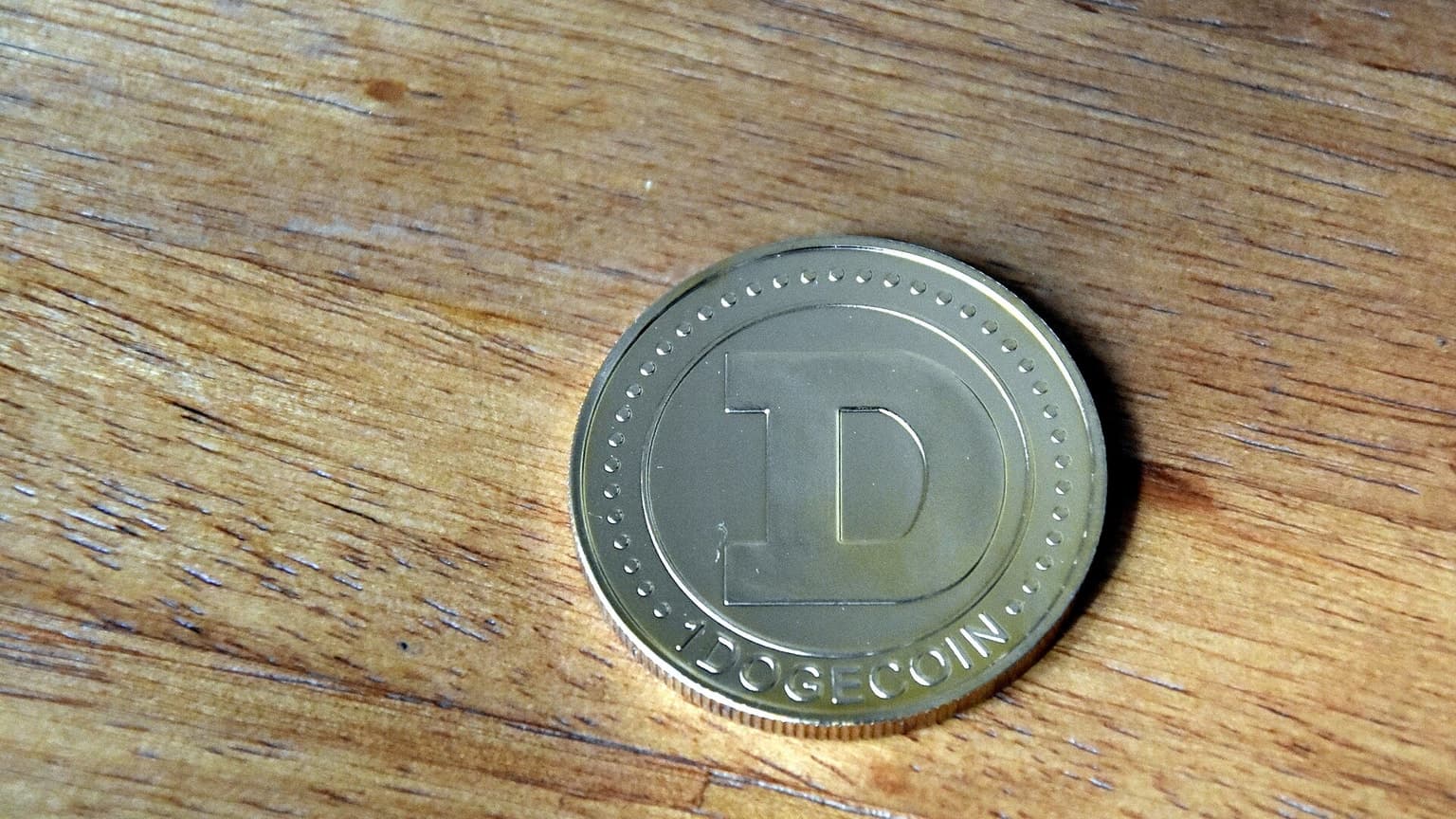

Crypto years move in dog years, and 2026 is no exception. Five months in, the story isn't a single explosive price move. It's the steady, slightly surreal sense that crypto has fully merged with the mainstream financial system. Here's the scoreboard so far.
1. Regulation finally got real
For years the single biggest complaint about crypto in the US was: nobody knows the rules. In 2026 that excuse is mostly gone.
The GENIUS Act, signed in July 2025, gave dollar-backed stablecoins their first federal framework (full reserves, monthly disclosures, real oversight), and through 2026 the agencies started filling in the details. In March, Treasury's FinCEN and OFAC proposed the anti-money-laundering rules; the OCC began publishing implementation guidance.
Bigger still is the CLARITY Act, which passed the House 294–134 (a genuinely bipartisan margin) and sorts digital assets into clean lanes: Bitcoin and Ethereum as commodities under the CFTC, securities-like tokens with the SEC, stablecoins in their own rulebook. The chronic SEC-versus-CFTC turf war that paralyzed the industry is finally being legislated away. The vibe shift from "regulatory threat" to "regulatory framework" is the meta-story under everything else here.
2. The ETF floodgates opened past Bitcoin
Spot Bitcoin and Ethereum ETFs were 2024's story. 2026's story is everything else getting one.
The first spot Solana ETPs were approved in October 2025. An XRP ETF got the green light in November and began trading on Nasdaq. And the pipeline is staggering: over 126 additional crypto ETF applications are sitting in front of the SEC, including products for DeFi protocols and even meme coins. Read that last part again: there are people trying to wrap memecoins in a regulated ETF. That's either progress or a sign of the top, depending on your mood.
3. Stablecoins quietly became the main event
While the headlines chased price, stablecoins did the actual work. The market crossed $200 billion in mid-2025 and grew to roughly $319 billion by March 2026. They're now the number-one use case in all of crypto: the rails for payments, cross-border settlement, and treasury operations.
This is the part that matters most for the long run. Dollars that move at internet speed, now with legal backing, are the kind of boring infrastructure that reshapes commerce without ever trending. (We've got a full GENIUS Act explainer if you want the deep dive.)
4. Wall Street's holdouts caved
The symbolic moment of the institutional era: Vanguard, a famously crypto-skeptical giant, opened its brokerage platform to crypto ETF trading for its enormous customer base near the end of 2025. When the firm whose founder evangelized boring index investing lets tens of millions of customers buy crypto exposure, the "fringe asset" framing is officially dead.
Add BlackRock's tokenized treasury fund, Fidelity's expanded custody, and reported sovereign-wealth allocations from Abu Dhabi and Singapore, and you get a market with a structural floor of big-money demand that simply didn't exist a few years ago.
5. Bitcoin's ETF-era reality check
It hasn't all been up-and-to-the-right. Bitcoin spent the spring trading in the $80,000s, strong historically, but well below the $150,000–$200,000 targets that analysts at Standard Chartered, JPMorgan, and Fundstrat keep floating.
And the institutional money cuts both ways: spot Bitcoin ETFs saw roughly $2.8 billion in outflows in a single late-March week. The same funds that provide a demand floor can also hit the exits fast. That's the trade-off of mainstream adoption: more liquidity, and more correlated, fast-moving liquidity.
6. The memecoin casino cooled
The frothiest corner deflated hard. The memecoin market cap fell about 61% over the year (from ~$93 billion to ~$36.5 billion), and daily token launches on Pump.fun collapsed from a peak near 70,000 to a yearly low under 10,000. The pure-gamble mania that defined early 2025 ran out of fuel, even as the broader market matured. (More on the memecoin heat death in our standalone piece.)
7. NFTs came back as culture, not casino
Left for dead, digital collectibles staged a real revival: the NFT sector's market cap jumped 29% in 24 hours at one point to roughly $6.82 billion, with weekly volume hitting a six-month high. But the smarter story was how it came back: culture-first brands like Pudgy Penguins built mainstream IP (toys, a Man City deal, viral content) and used crypto as a feature, not the pitch. Meanwhile MoMA, the Centre Pompidou, and LACMA kept treating on-chain art as a serious medium. The speculation died; the medium survived.
The honest caveat
A recap is not a recommendation. None of this is financial advice, and a sober reading of mid-2026 includes the asterisks:
- Regulation reduces uncertainty but doesn't eliminate risk; the new frameworks are young and untested in a crisis.
- "Institutional adoption" adds a floor and a faster exit. Volatility didn't go anywhere.
- An ETF wrapper makes an asset easier to buy, not inherently safe. Memecoin ETFs are still memecoins.
The throughline
If you zoom out, the story of 2026 so far is consolidation, not explosion. Crypto stopped being a question of whether it would integrate with the financial system and became a question of how. Laws got written. ETFs multiplied. Stablecoins became plumbing. The casino cooled and the culture matured.
It's less thrilling than a 100x. It's also, finally, more real. And we're only halfway through the year.