
Remember when every fashion house was suddenly selling jpegs? For about eighteen months around 2021–2022, "we're launching an NFT" was the most over-deployed sentence in luxury. Then the floor fell out, the cringe set in, and most brands quietly memory-holed the whole thing.
But here's what the obituaries missed: fashion didn't quit crypto. It grew up around it. By 2026, the relationship looks less like a hype grab and more like a toolset, and that's a far more interesting story.
The boom years (and the bills)
The first wave was, frankly, a land grab. Gucci dropped its "Aria" NFT art series in 2021, with pieces selling for over $100,000, then went deeper with the SuperGucci collection (a Superplastic collab) and Gucci Grail NFTs tied to 10KTF. Louis Vuitton built "Louis: The Game," a mobile experience seeding NFT rewards. Dolce & Gabbana's nine-piece Collezione Genesi (physical couture paired with digital art) pulled in nearly $6 million at auction.
Streetwear moved even faster because it speaks drop-culture natively. Yuga Labs' Bored Ape Yacht Club linked up with A BATHING APE for a fall 2023 capsule, then returned with a second season in 2024, explicitly blending web3 ownership with streetwear codes. Nike's RTFKT pushed virtual sneakers; Zara experimented with digital-aesthetic capsules.
The scoreboard: more than 42% of luxury houses ran NFT-based campaigns at some point, and CoinGecko found 21 of the top 50 fashion brands had launched NFTs. This was not a niche. It was the entire industry rushing the same door.
Then 2022–2023 happened. Floor prices imploded, "right-click save" became a victory lap, and a lot of those campaigns aged like milk.
What survived, and why
The brands that kept going stopped treating NFTs as collectible art to flip and started treating them as functions. Three use cases actually stuck:
1. Digital twins and authentication
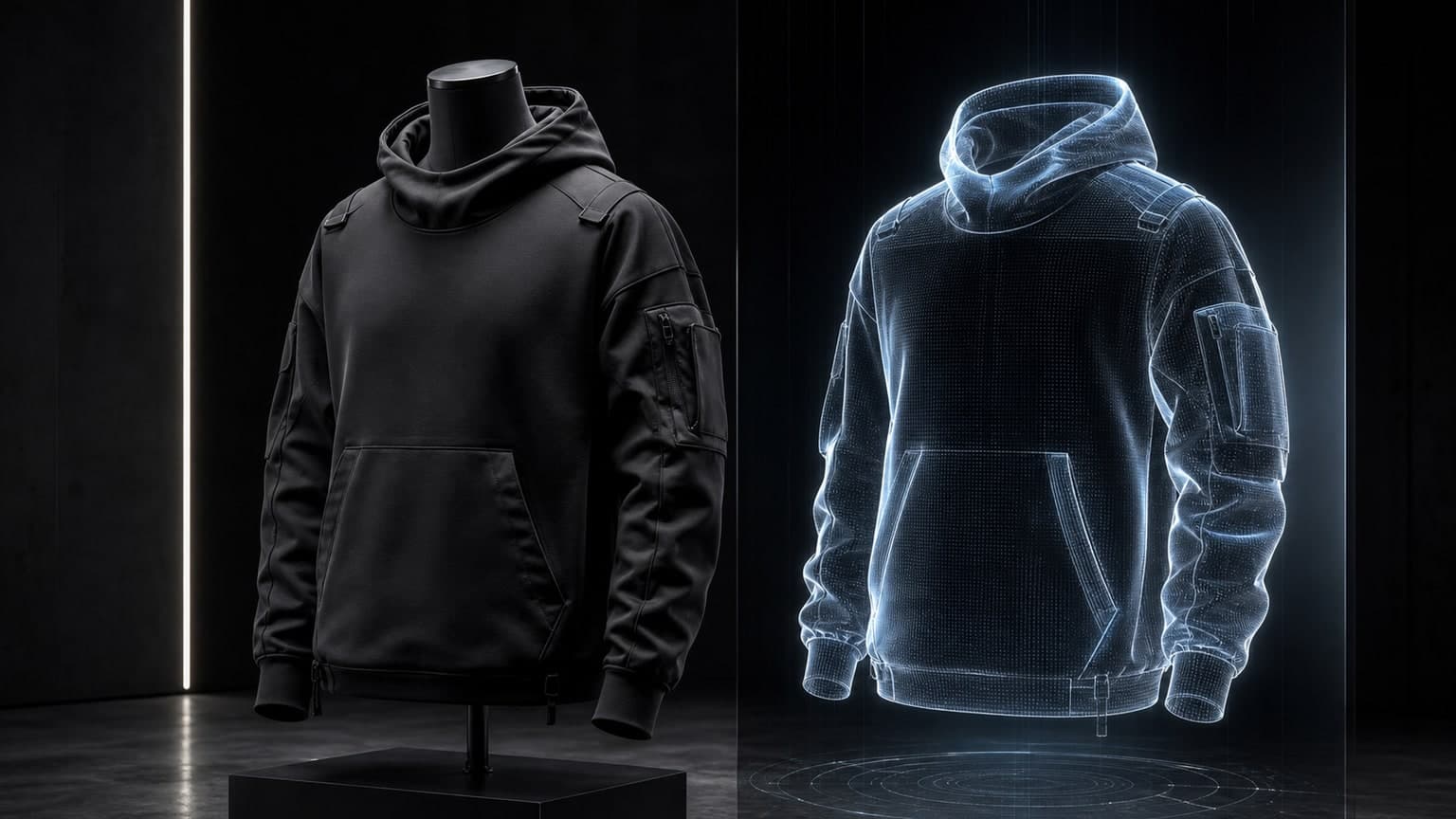
The single most practical idea: pair a physical item with a verifiable digital token, a "digital twin." Scan a chip or QR, confirm the piece is real, see its history, prove you own it. For a luxury and resale market drowning in superfakes, on-chain provenance is genuinely useful. It's the part of "web3 fashion" that solves a real problem instead of inventing one.
2. Phygital drops and membership
Instead of selling a jpeg alone, brands now bundle digital and physical: a garment plus a token that unlocks access, future drops, or community. This is the Pudgy Penguins lesson migrating into apparel: the object people love is real, and the crypto layer is a membership card stapled to it.
3. Digital-only fashion as its own lane
Skins, wearables, and virtual garments for games and avatars are a legitimate market: the NFT fashion segment was projected to generate nearly $950 million in revenue by the end of 2025. Whether you find dressing an avatar absurd or obvious probably depends on how many hours you've logged in a game with a cosmetics store.
Why streetwear was always the natural fit
Drop culture and crypto share a worldview: scarcity is the product, the community is the moat, and provenance is status. A numbered release, a verified cop, a resale market with public price history: streetwear was running a low-tech version of "on-chain" logic long before the word existed.
That's why the crossover never fully died even when prices did. The underlying instinct (I want proof I had this, early, and you didn't) is the same one that powers both a sneaker raffle and an NFT mint. Crypto just gave brands a programmable way to express it.
The 2026 read: utility over spectacle
The mature version of fashion-meets-crypto is quieter and more confident. Fewer "we're entering the metaverse" press releases, more invisible plumbing: authentication chips, ownership records, token-gated access that fans don't even have to understand is "crypto." The best implementations hide the blockchain entirely: you just scan, prove, and unlock.
That mirrors crypto's broader 2026 arc, where the boring infrastructure (stablecoins, tokenization, provenance) is doing more than the flashy speculation. Fashion got there the hard way: by overdoing it, getting roasted, and keeping only the parts that worked.
The risk caveat
A grounded reality check before you go minting a hoodie:
- A digital twin is only as durable as its platform. If the company or chain behind your authentication token disappears, the "permanent" record can get messy. Permanence depends on infrastructure that's still maturing.
- Brand NFTs are not investments. Plenty of 2021 luxury drops are worth a fraction of mint. Buy the thing because you want it, not because you expect a flip. None of this is financial advice.
- Hype can still outrun substance. "We added blockchain" is not automatically meaningful. Ask what problem it solves; if the answer is "marketing," that's your answer.
- Resale and authenticity tech can be gamed. On-chain provenance helps, but determined counterfeiters adapt. It raises the bar, it doesn't end the war.
Where it goes next
Fashion's crypto era didn't end. It matured past the part that was easy to mock. The future isn't celebrity NFT drops with rocket emojis. It's the chip in your jacket that proves it's real, the token that gets you into the next release, the digital fit you wear in a game without thinking twice about the tech underneath.
The spectacle was the bubble. The utility is what's left. And for an industry built on authenticity, scarcity, and belonging, that toolset was always going to find a home. It just had to survive its own hype first.