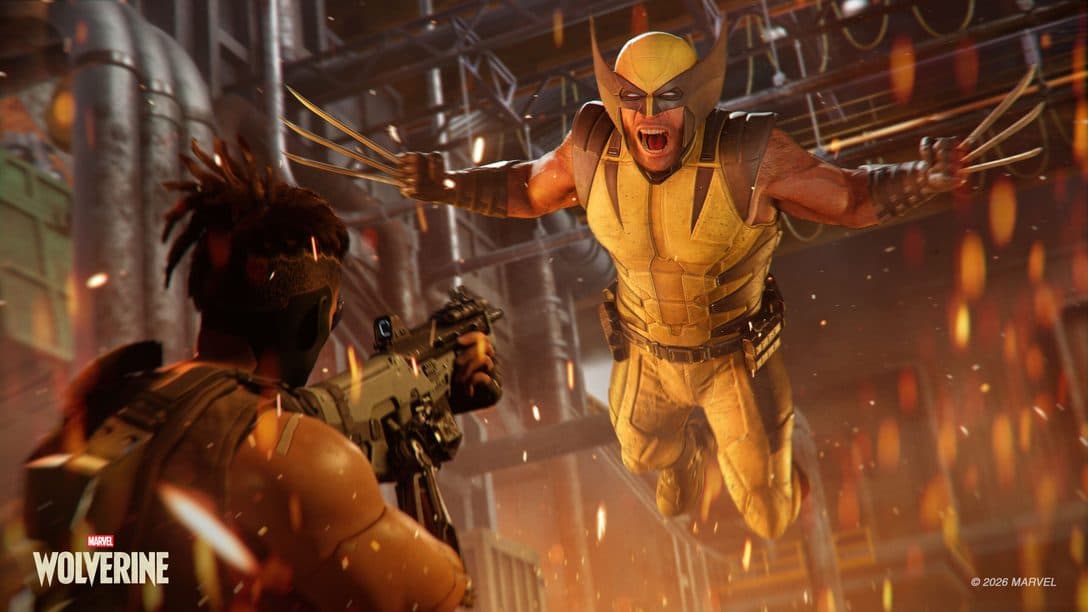
Marvel’s Wolverine should feel dangerous before Logan even throws a punch. Insomniac gets that part right. The claws look vicious, the performances have weight, and the game never forgets that Wolverine is not a clean-cut superhero.
What it forgets is that brutality is not the same thing as freedom. Beneath the blood and spectacle is a familiar PlayStation blockbuster—polished, expensive and often unwilling to let the player off its carefully marked path.
The problem is not that Wolverine is bad. It is that a game this loud, costly and perfectly cast feels this cautious.
The short version
THE HIGH POINT — Logan himself. The writing, performance and character work carry the campaign.
THE FRUSTRATION — Combat makes a savage first impression, then settles into repetition.
THE BIGGER ISSUE — Guided traversal and rigid missions make an unpredictable hero feel strangely controlled.
THE VERDICT — A solid action game trapped beneath generation-defining expectations.
Logan is the reason to keep playing
Liam McIntyre gives the story its center. His Logan can sound furious without becoming a cartoon, and the quieter scenes communicate the exhaustion of a man who has survived too much. Mystique, Sabretooth and Jean Grey matter because their history with him creates tension before the action starts.
That character work is the game’s strongest idea. Logan is volatile, wounded and difficult to predict. Even when a mission feels ordinary, he rarely does.
The violence has real impact
The opening hours deliver on the fantasy immediately: heavy hits, visible damage and finishers that make every encounter look personal. Wolverine moves like a trained fighter who has no interest in looking elegant. He closes distance fast, absorbs punishment and turns small rooms into wreckage.
For a while, that physicality is enough. The animation, sound and camera sell every claw strike with confidence.
Then the decisions stop evolving
The problem is depth. Once the initial shock fades, too many fights begin to resolve the same way. The upgrade system promises more possibilities than most encounters demand, while durable enemies can make savage attacks feel oddly weightless.
The finishers remain graphic. The choices between them become routine.
A wild character inside a safe game
Outside combat, the campaign leans on guided investigation, straightforward platforming and chase sequences that keep the player moving through a narrow lane. The locations change, but the rhythm does not. Follow the clue. Climb the marked route. Clear the room. Watch the next scene.
That structure would feel less limiting around a different hero. With Wolverine, the contrast is impossible to ignore. Logan is impatient and instinctive; the game around him is controlled and constantly pointing toward the approved solution.
The disappointment is not a lack of polish. It is the feeling that so much craft was spent making a familiar formula look more dangerous than it actually is.
“Pretty good” is the harshest verdict
A review score in the high 70s normally describes a game worth playing. Here, it lands differently. Wolverine arrived after years of anticipation, backed by the studio behind PlayStation’s Spider-Man run and positioned as a major event. The standard was never merely competence.
There are players who will love the spectacle, the character relationships and the simple pleasure of controlling a fully violent Logan. They are not wrong. The campaign has memorable scenes and a lead performance strong enough to pull it through its safest stretches.
But the best version of this game was never going to be Spider-Man with claws. It needed more danger, more improvisation and more trust in the player.
Marvel’s Wolverine is not a disaster. It is something more frustrating: an excellent Wolverine performance inside an action game that rarely matches his nerve.