Here's a fact that should confuse you: the generation that grew up with a supercomputer in its pocket, that has never known a world without instant everything, is buying the slowest, most analog, most stubbornly old-fashioned objects on the market. According to Chrono24 (the world's largest pre-owned watch marketplace), the fastest-growing group of buyers is now aged 18 to 28, outpacing every other demographic, including the historically dominant 35-to-50 crowd.
The most online people alive are buying mechanical watches faster than anyone. And I think it's the best thing to happen to this hobby in a decade.
The obvious objection, dismantled
The easy take is that this is nostalgia cosplay: kids LARPing as their grandfathers, buying analog objects the way they buy film cameras and vinyl, as aesthetic props for a curated feed. There's a sliver of truth in that. Watches photograph beautifully, and a wrist shot is content.
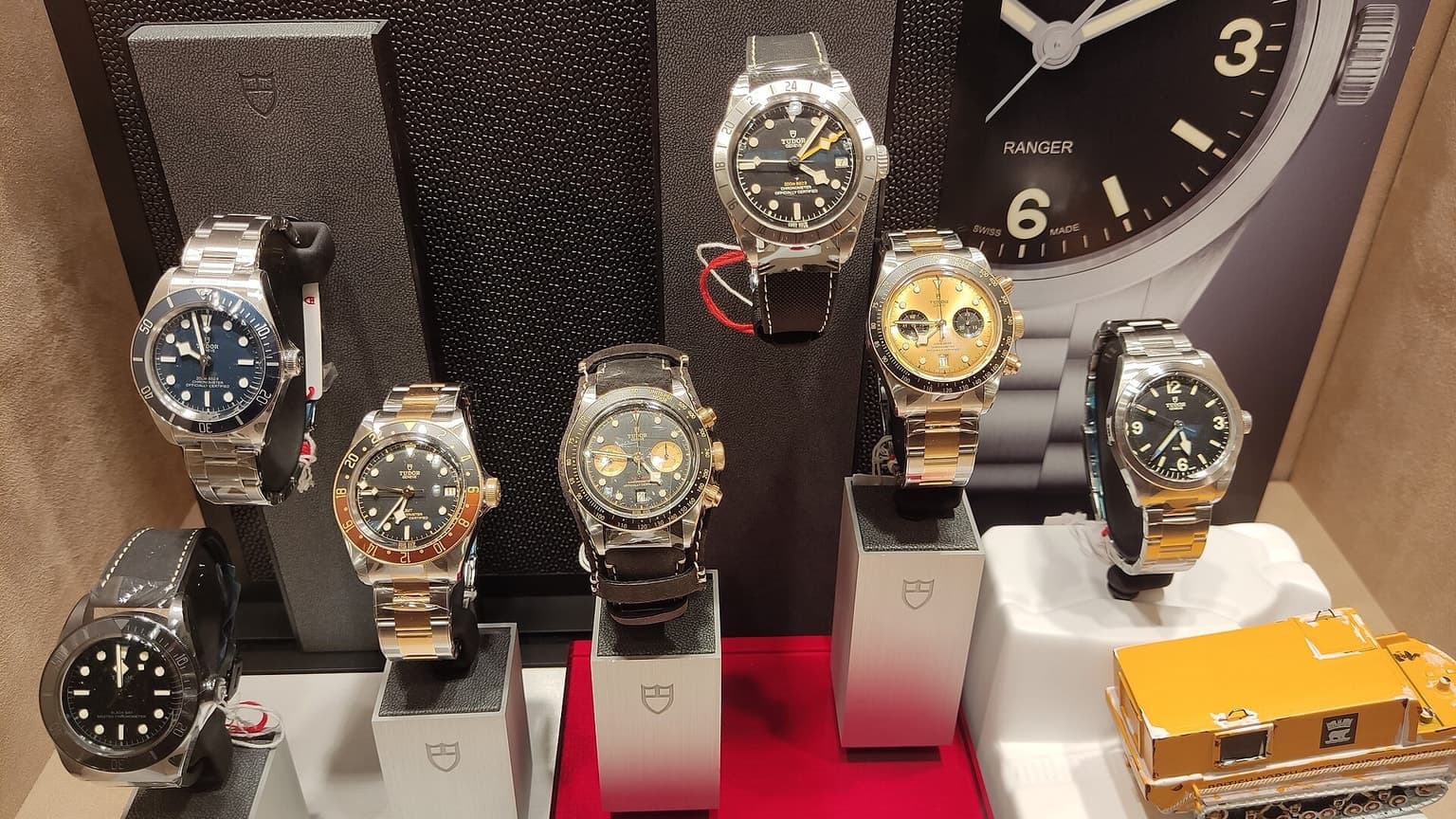
But spend any time in the actual communities and that explanation falls apart. These buyers know things. They debate movement architecture, lume formulations, lug-to-lug measurements and the relative merits of a Sellita versus a Miyota. They're not buying a vibe; they're buying a machine, and they understand the machine. The aspirational tier of this generation isn't iced-out flexes. It's the Tudor Black Bay 58, the Omega Seamaster, carefully chosen pre-owned references from Zenith and IWC. That's connoisseurship, not cosplay.
Why analog hits different when everything is digital
The deeper reason is precisely because everything else in their lives is disposable. A phone is obsolete in two years. An app updates overnight and changes without permission. A smartwatch is dead the moment its battery degrades, a sealed slab destined for a drawer. Nothing digital is built to be kept, repaired, or handed down.
A mechanical watch is the opposite of all of that. It runs on a wound spring and a balance wheel, technology that's centuries old and will keep working long after the company that made it is gone. It can be serviced indefinitely. It doesn't need charging, doesn't push notifications, doesn't track you, doesn't update. In a life of infinite scroll and planned obsolescence, a watch that just is (that does one thing, beautifully, forever) is a radical object. Owning one is a small act of rebellion against the disposable.
That's not nostalgia. That's a values statement, and it's a sophisticated one.
They're not even abandoning the smartwatch
The most telling detail: this generation isn't choosing analog instead of digital. Plenty of them wear a Tudor Black Bay 58 on one wrist and an Apple Watch on the other: the mechanical piece for meaning and beauty, the smartwatch for steps and notifications. They've cleanly separated the two jobs. The smartwatch is a tool. The mechanical watch is an object of permanence and identity. Once you see that distinction, the whole "smartwatches killed mechanical watches" narrative, which the industry panicked about for years, looks exactly as wrong as it turned out to be.
What this means for the industry
The brands that get it are winning. Tudor read this perfectly: the Black Bay line is essentially purpose-built for a young collector who wants real heritage, genuine spec (METAS-certified Master Chronometers, in the latest releases) and a story, at a price that doesn't require a private bank. Seiko owns the gateway, with the Seiko 5 and vintage divers funneling more people into the hobby than any marketing campaign ever could. Microbrands like Baltic and Lorier speak fluent internet and sell direct to exactly this audience.
The losers will be the brands that treat young buyers as a cheapened-down afterthought: fashion-grade quartz with a heritage logo slapped on. This generation can smell that a mile away. They want the real thing, or a smaller real thing, but never a fake one.
The takeaway
For years the watch industry feared that smartphones and smartwatches would kill mechanical watchmaking, that the kids would never care about a hand-wound machine when their phone tells better time. The exact opposite happened. The most digital generation in history looked at a world of disposable, surveilling, obsolete-on-arrival technology and decided it wanted something permanent, repairable and quietly defiant.
They chose the spring and the balance wheel. They chose the object that outlives its owner. They chose the watch precisely because it does less, and in doing so, they may have just secured the future of the entire craft. The most online generation buying the most analog watches isn't a contradiction. It's the smartest thing they could possibly be doing.