For about two years, owning a hyped steel sports watch felt like holding a melting ice cube. The 2020–2022 mania, when grey-market prices for a steel Daytona or a Nautilus ran to multiples of retail, collapsed hard, and by 2023 the headlines were all about how much money speculators had lost. In 2026, the story has flipped again. The secondary market has found its floor, and prices are climbing. But the recovery is more selective than the cheerleaders want you to believe, and understanding the shape of it matters more than the headline.
The numbers: a real, gentle recovery
According to WatchCharts, which tracks the secondary prices of dozens of brands, the market has been recovering gently since the summer of 2025, and the rebound broadened into 2026, with 25 of the 35 tracked brands in positive territory in the first quarter. Over the past six months, prices have risen roughly 4% overall. Quarter-on-quarter in early 2026, Rolex was up about 1.7%, Patek Philippe around 3.0%, Cartier 1.9% and Omega 1.9%.
Zoom out to a full year and the leaders separate from the pack: Patek Philippe has appreciated around 16%, driven by sustained demand for the Aquanaut and Nautilus, while Rolex grew roughly 8% and Audemars Piguet a few points. The luxury watch market, in short, has stopped falling and started compounding again. Modestly, but unmistakably.
Why it turned
A few forces converged. First, the speculative excess inventory that flooded dealers during the crash has largely cleared, so sellers stopped panic-dumping. Second, the brands kept raising retail prices (roughly 7% in aggregate since early 2025), which drags the whole pricing ceiling upward and makes pre-owned look like a relative bargain. Third, demand genuinely expanded: brands including Patek, Omega, Cartier, Vacheron Constantin and Tudor each saw their secondary-market trading volume grow by more than 20% in 2025. More buyers, firmer pricing, less forced selling: that's the recipe for a floor.
There's also a macro angle. With volatile assets like crypto wobbling through early 2026, some capital rotated back toward tangible luxury goods with established track records. Watches aren't a perfect store of value, but the blue chips have proven more resilient than a lot of paper.
The recovery is narrow: read the fine print
Here's the part that gets lost in the "watches are back" headlines: the rebound is concentrated in brands with genuine pricing power. Rolex, Patek and AP are doing the heavy lifting. Most other brands continue to trade at deep discounts to their boom-era highs, and plenty of references that speculators paid silly money for in 2021 are still underwater.
That's actually good news for buyers. Because retail prices have climbed while the secondary market corrected and stabilized, collectors can often buy the exact same watch for 20% to 40% below retail on the pre-owned market, sometimes a watch you literally cannot get at a boutique without a relationship or a waitlist. The arbitrage has inverted: for years the grey market was where you overpaid to skip the line, and now it's frequently where you save.
What this means if you're buying
Three practical takeaways for anyone thinking about a watch as more than just a thing to wear:
- Blue chips are blue chips for a reason. A steel Rolex sports model, a Nautilus or Aquanaut, a Royal Oak: these hold and recover value because demand structurally exceeds supply. They are the closest thing the category has to a safe asset, but you'll pay full freight.
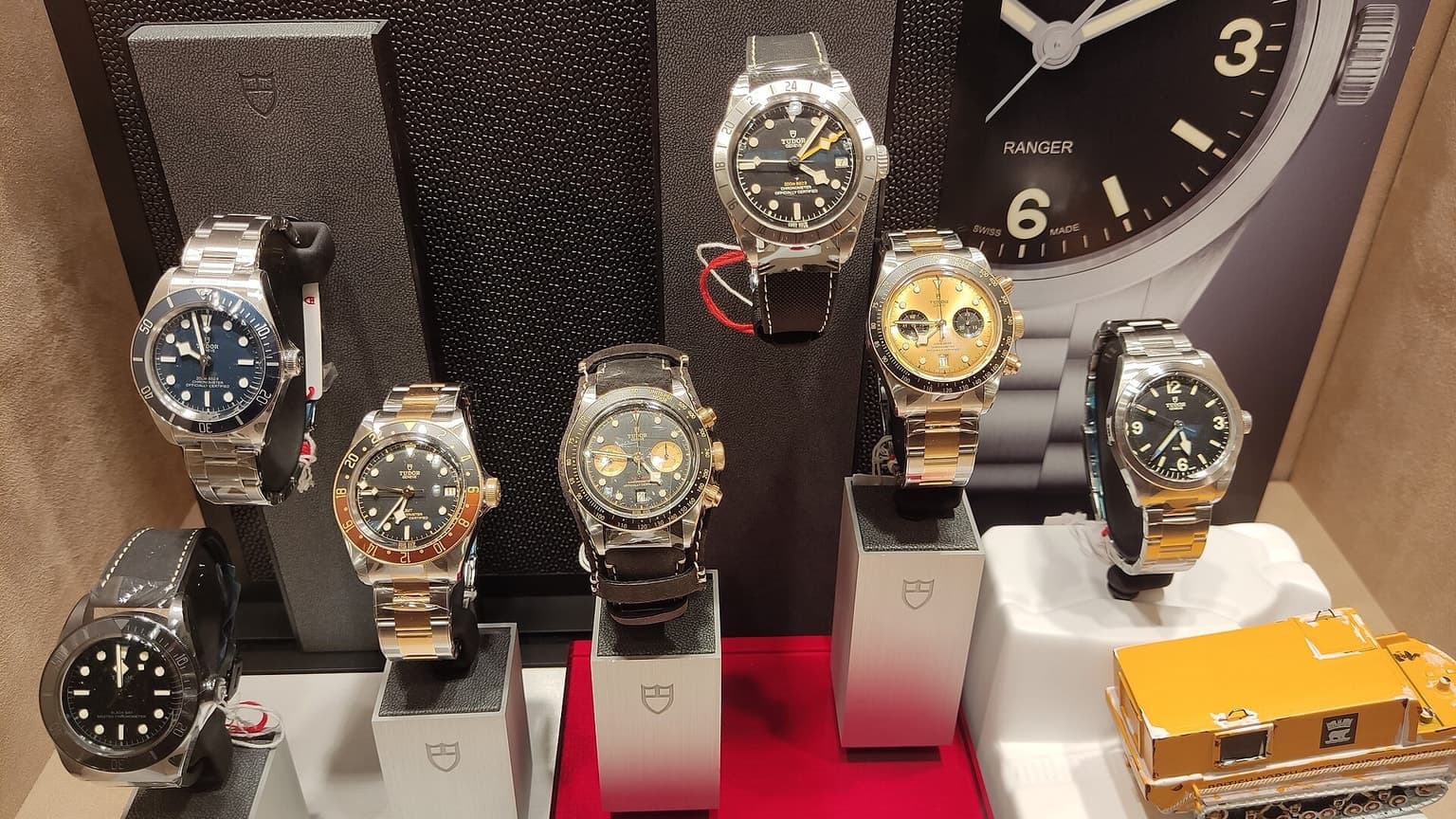
- The value plays are everywhere else. Omega, Cartier, Tudor, Grand Seiko and JLC offer extraordinary watches trading well below their hype-era peaks. If you want maximum watch for your money and don't need it to appreciate, this is the zone.
- Don't buy a watch primarily as an investment. The 2022 crash should be a permanent lesson. Buy something you'll genuinely wear and enjoy; treat any future appreciation as a bonus, not a thesis. The people who got hurt were the ones treating wristwatches like a momentum trade.
The takeaway
The 2026 watch market is healthier than it's been in years, but "healthier" doesn't mean "back to the mania." The froth is gone, the speculators have largely left, and what's left is a more rational market where strong brands rise on real demand and everything else trades on its merits. For collectors, that's the best of both worlds: the icons are appreciating again, and the value hunters have more genuine bargains than they've seen in half a decade.
The smart money isn't chasing the next moonshot reference. It's buying watches it loves, at fair prices, in a market that has finally remembered what these objects are actually worth.