We're not quite halfway through 2026 and the year has already over-delivered. Between LVMH Watch Week in January and Watches & Wonders in April, the industry served up a run of genuinely interesting releases: not just colorways and case-size tweaks, but reborn icons, real engineering swings and a material trend that defined the whole season. These are the watches that earned their place on our shortlist so far, in no particular order.
Cartier Roadster (Revived)
The single most talked-about return of the year. Cartier brought back the Roadster (the curved, automotive-inspired, unapologetically extroverted shaped watch from the 2000s) as a strategic reassertion of personality. While the Tank and Santos do Cartier's quiet-luxury heavy lifting, the Roadster reintroduces a louder, more masculine voice to the catalog. In a year obsessed with restraint, it's a refreshing bit of swagger, and the dial language is unmistakable from across a room.
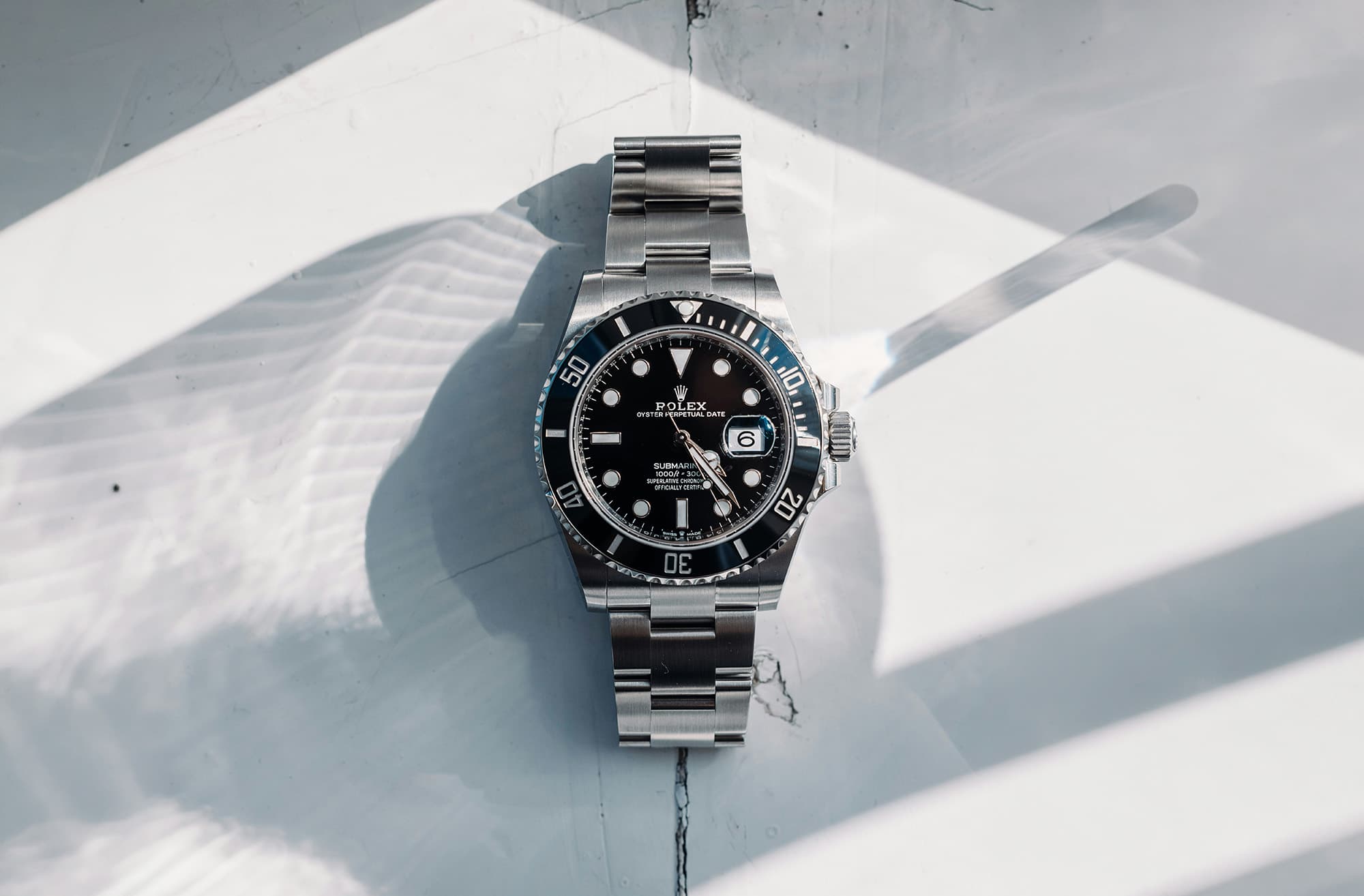
Rolex Oyster Perpetual 41 (Centenary Two-Tone)
You can't talk about 2026 without the Oyster's 100th birthday. The standout is a two-tone Oyster Perpetual 41 (Oystersteel case and bracelet with a gold bezel and crown, a combination Rolex almost never does on the OP) with green-accented lettering and "100 years" replacing "Swiss made" at six o'clock. It's subtle, historically loaded and instantly desirable. The companion technicolor OP 36 with its Warhol-ish lacquer dial is the fun-loving counterpoint. Both will be brutally hard to actually buy.
TAG Heuer Monaco Evergraph
The year's most innovative mainstream release. TAG completely rethought the square icon with the Monaco Evergraph: a 40mm grade-5 titanium case housing the experimental in-house caliber TH80-00, a 5 Hz automatic chronograph co-developed with Vaucher. Its "compliant" chronograph mechanism swaps the traditional levers and springs for flexible components, delivering crisp, repeatable pusher action. This is real watchmaking R&D applied to a watch people actually want, not a tourbillon hidden in a vault. That combination is rare.
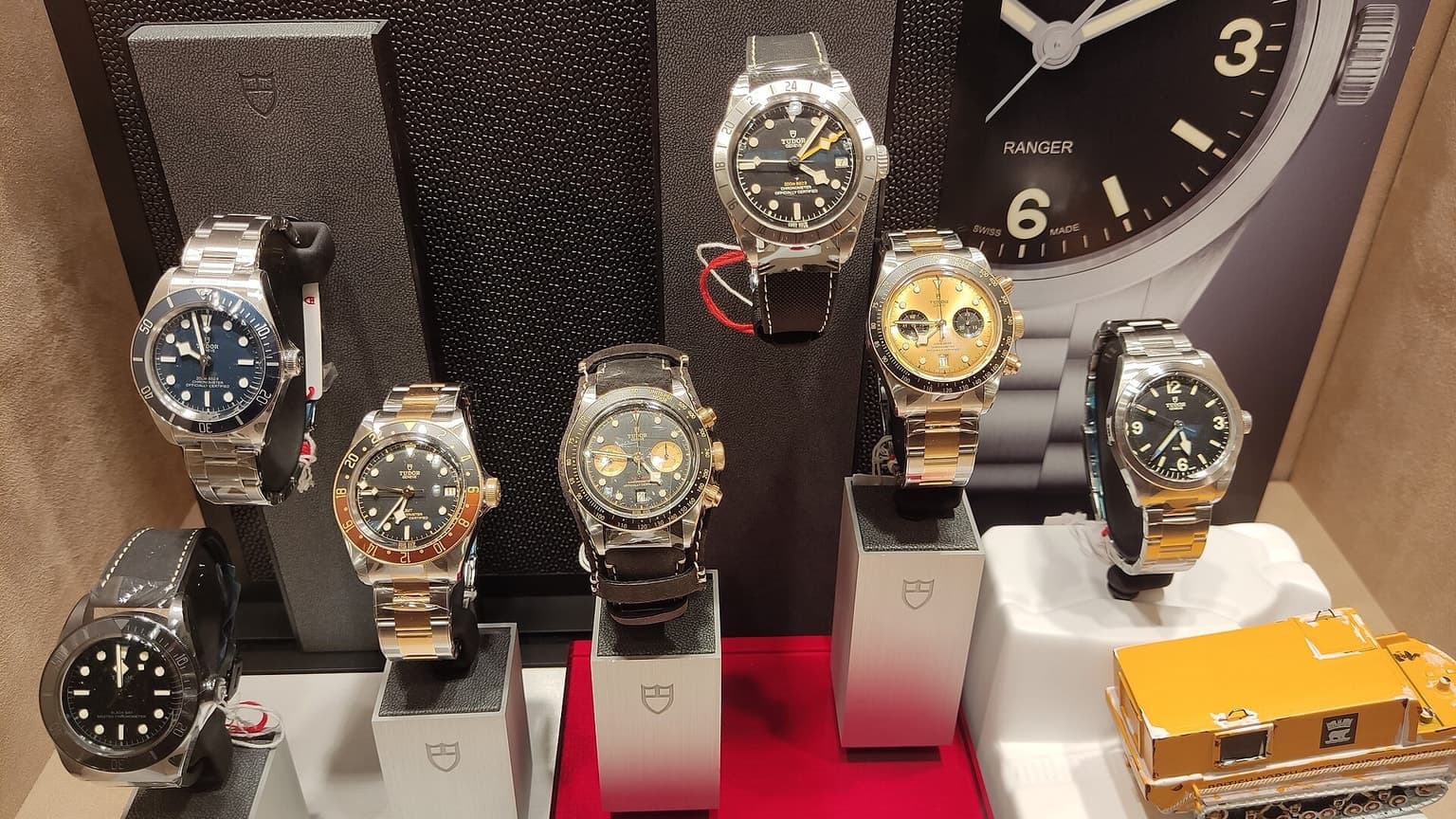
Tudor Monarch & Black Bay Ceramic
Tudor had one of its strongest fairs in years, so it gets two entries. The revived Monarch mines the brand's archive for a faceted 39mm steel case and an "error-proof" California-style dial mixing Roman and Arabic numerals, a genuinely fresh look in Tudor's lineup. Meanwhile the Black Bay Ceramic goes full blackout: a 41mm Master Chronometer platform, METAS-certified, anti-magnetic to 15,000 gauss and accurate to 0/+5 seconds a day. For the price, nothing else offers that spec sheet with that aesthetic. Tudor remains the smart money in luxury.
Cartier Santos-Dumont (Precious Mesh)
Cartier's other triumph. The latest Santos-Dumont introduces a supple precious-metal bracelet inspired by the maison's made-to-measure mesh bracelets of the 1920s: hundreds of ultra-thin links that drape across the wrist. The standout version pairs it with a gilded obsidian dial cut to an astonishing 0.3mm thickness for gemlike depth. It's the kind of quiet, obsessive luxury that rewards a close look, and it slots neatly into 2026's stone-dial obsession.
The trend that tied it all together: stone dials
If there's a single design signature of 2026, it's natural stone. Sodalite on Piaget's Polo 79, jasper and onyx on Zenith's GFJ, green aventurine on the Rolex Day-Date, obsidian at Cartier. Mineral dials were everywhere in Geneva. Each one is slightly different, none repeatable, which makes them an antidote to mass production and a dream for collectors who want something genuinely one-of-one. Watch for this to trickle down to the affordable and microbrand space within a year.
Honorable mentions
A few more that didn't make the headline cut but deserve a wrist:
- Omega Speedmaster Professional: still the moonwatch, still the gold standard for a mechanical chronograph, and still the rational answer when someone asks for one "forever" watch.
- Tudor Black Bay 58 in black-gilt: a warm, vintage-leaning dial on the most beloved size in the lineup.
- Cartier Crash Skeleton: limited to 150 pieces, the most coveted weird watch on earth reinterpreted as pure mechanical art. Effectively unattainable, but glorious.
The takeaway
What stands out about 2026 so far isn't any single watch. It's the confidence. The big houses stopped reacting to the post-boom correction and went back to making bold, characterful objects: a reborn Roadster, a from-scratch Monaco, a centenary Oyster. The stone-dial trend gives the year a coherent look, and Tudor keeps quietly being the best value in the room. We're only halfway in. If the back half matches this, 2026 will go down as one of the strongest watch years of the decade.