The category Apple ignored is about to get the Apple treatment
Foldables have existed for years. Samsung practically built the category solo, iterating through Z Fold after Z Fold while the rest of the industry treated bendable screens as a flex-tier experiment. The phones got thinner, the creases got fainter, and the prices stayed brutal. For most people, the foldable was a thing you saw, not a thing you owned.
That changes in September 2026. Apple's first foldable iPhone is reportedly set to debut this fall with a crease-free folding display (roughly a 5.5-inch outer screen and a 7.9-inch inner display), which is to say, a phone that opens into something close to a small tablet. If the "crease-free" part holds up, it's a genuine engineering statement, because the visible crease has been the foldable's most stubborn tell since day one.
The significance isn't really about specs. It's about what happens to a category when Apple finally shows up. Watches were a wearable curiosity until the Apple Watch. Wireless earbuds were a niche until AirPods made them ubiquitous. The foldable has been waiting for its mainstream moment, and Apple's entry is the starting gun.
Samsung saw it coming
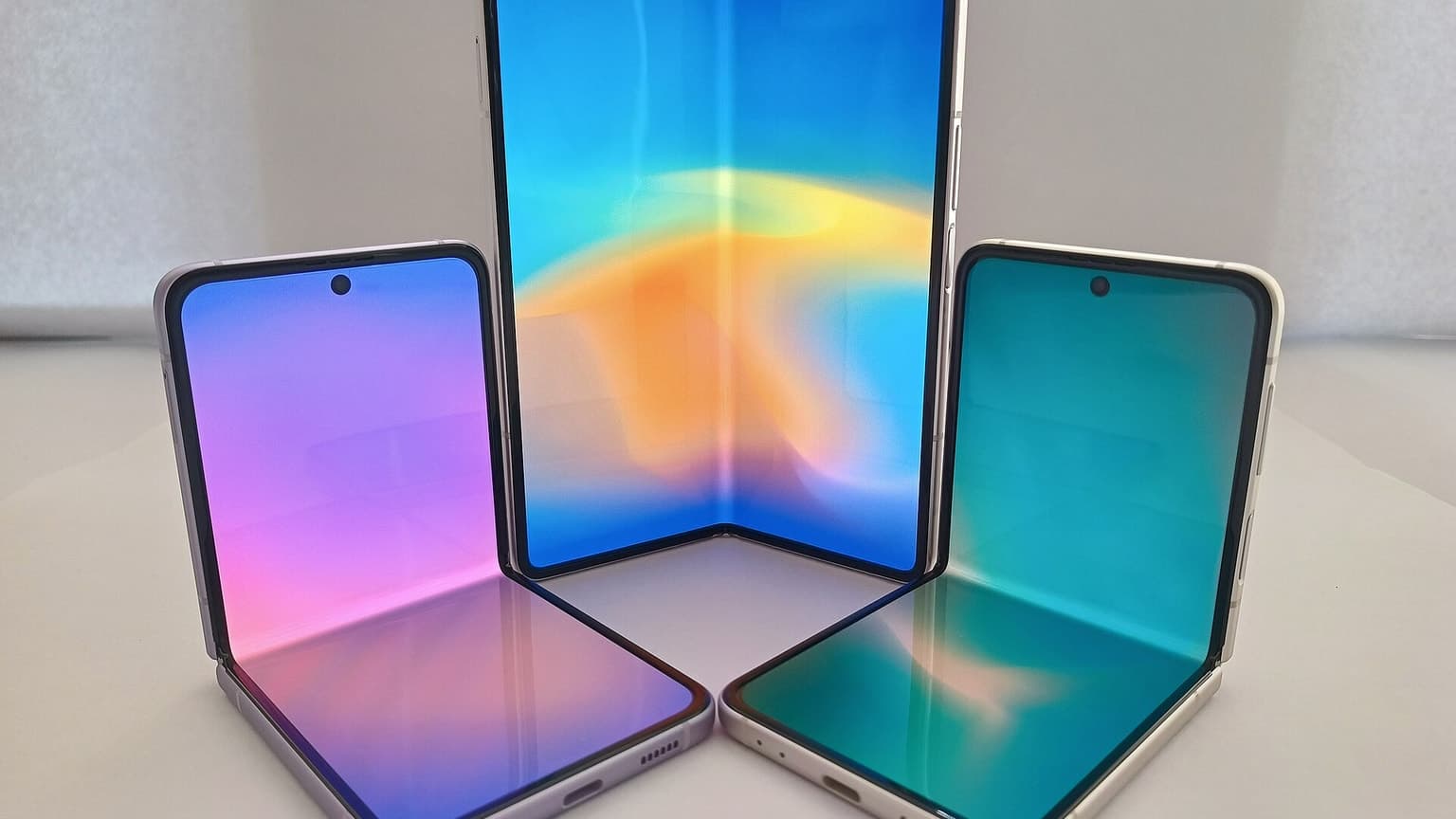
The most telling story of 2026 isn't Apple's. It's Samsung's reaction to it. Ahead of its summer Unpacked event, Samsung reshuffled its entire foldable lineup specifically to brace for the foldable iPhone. The 2026 family reportedly splits into three devices: a Galaxy Z Fold 8 Ultra as the true flagship successor, a standard Galaxy Z Fold 8 adopting a new wider form factor, and the Galaxy Z Flip 8 holding down the clamshell category.
We've seen this defensive choreography before. When Samsung launched the ultra-thin Galaxy S25 Edge, it read as a hedge against Apple's thin-phone ambitions. Now the entire Z Fold range is being repositioned, which tells you everything about how seriously the incumbent is taking the newcomer. Samsung has the head start and the manufacturing muscle (it makes a huge share of the display panels the industry relies on), but it knows Apple's gravitational pull can redraw a market overnight.
The thin-phone subplot
Running parallel to the fold wars is the thinness arms race. Apple's iPhone Air established the appetite for radically slim phones, and a successor, the iPhone Air 2, is expected to land in late 2026 or early 2027 with a thinner profile, better battery life, and the next-generation A20 chip, reportedly at a more aggressive $899 price point. The fact that "thin" and "foldable" are advancing at the same time is not a coincidence; a foldable's whole appeal collapses if the folded device is a brick in your pocket. The engineering breakthroughs powering one push the other.
AI is the real battleground
Here's the part that matters more than millimeters. The hardware fight is loud, but the war underneath it is software, and specifically AI. Samsung's Galaxy AI has been running a few steps ahead of Apple Intelligence (better at the actual day-to-day assistant stuff), though that gap is closing with a significant Apple AI update reportedly coming later in the year.
A foldable is, functionally, the perfect AI device. More screen real estate means more room for an assistant to show its work: drafting a message on one half while you reference a thread on the other, running a translation alongside a live conversation, multitasking the way a small tablet can but a phone never could. Whoever pairs the best folding hardware with the most genuinely useful AI wins the form factor. Specs like the Galaxy S26 Ultra's 200MP main sensor versus Apple's more restrained 48MP approach make for fun comparison-chart fodder, but the assistant is what people will actually live with.
Should you wait?
If you're due for an upgrade and even mildly curious about foldables, the honest advice is: wait until the fall. With Apple entering and Samsung counter-programming, the back half of 2026 will deliver the most competitive foldable lineup ever, and competition is good for buyers. Prices on outgoing models will soften, and the new wave should push crease quality, durability, and battery life forward in one cycle.
If you're an Android loyalist, the Z Fold 8 family is shaping up to be the most refined foldable Samsung has shipped, and the new wider standard form factor sounds like the version that finally feels like a normal phone when closed. If you're in Apple's world, the smart play is patience: a first-gen Apple foldable will be expensive and imperfect, but it'll also set the template the entire category copies for the next five years.
The bigger picture
The fold wars are finally real because the two biggest names in phones are now fighting over the same screen. For years, "foldable" was a word that impressed people at a bar and frustrated them at the checkout. In 2026, it becomes a genuine mainstream choice, and the speed at which Samsung is rearranging its whole strategy tells you the bend is here to stay. The flat slab had a great two-decade run. The next chapter folds.