
The wearable nobody wanted, until they did
For a decade, "smart glasses" was tech's punchline. Google Glass made early adopters look like extras from a low-budget cyberpunk film, and the word "Glasshole" did the rest. The category went quiet. Then, somewhere between the first Ray-Ban Meta drop and the moment your favorite creator started filming POV clips without lifting a phone, the joke stopped being funny, and started being a flex.
By mid-2026, Meta's eyewear lineup isn't a curiosity. It's the default. The company's smart glasses have become the runaway leader in the wearables conversation, and the reason is almost embarrassingly simple: they solved the thing every previous attempt ignored. They made the glasses look good first, and smart second.
Why fashion beat features
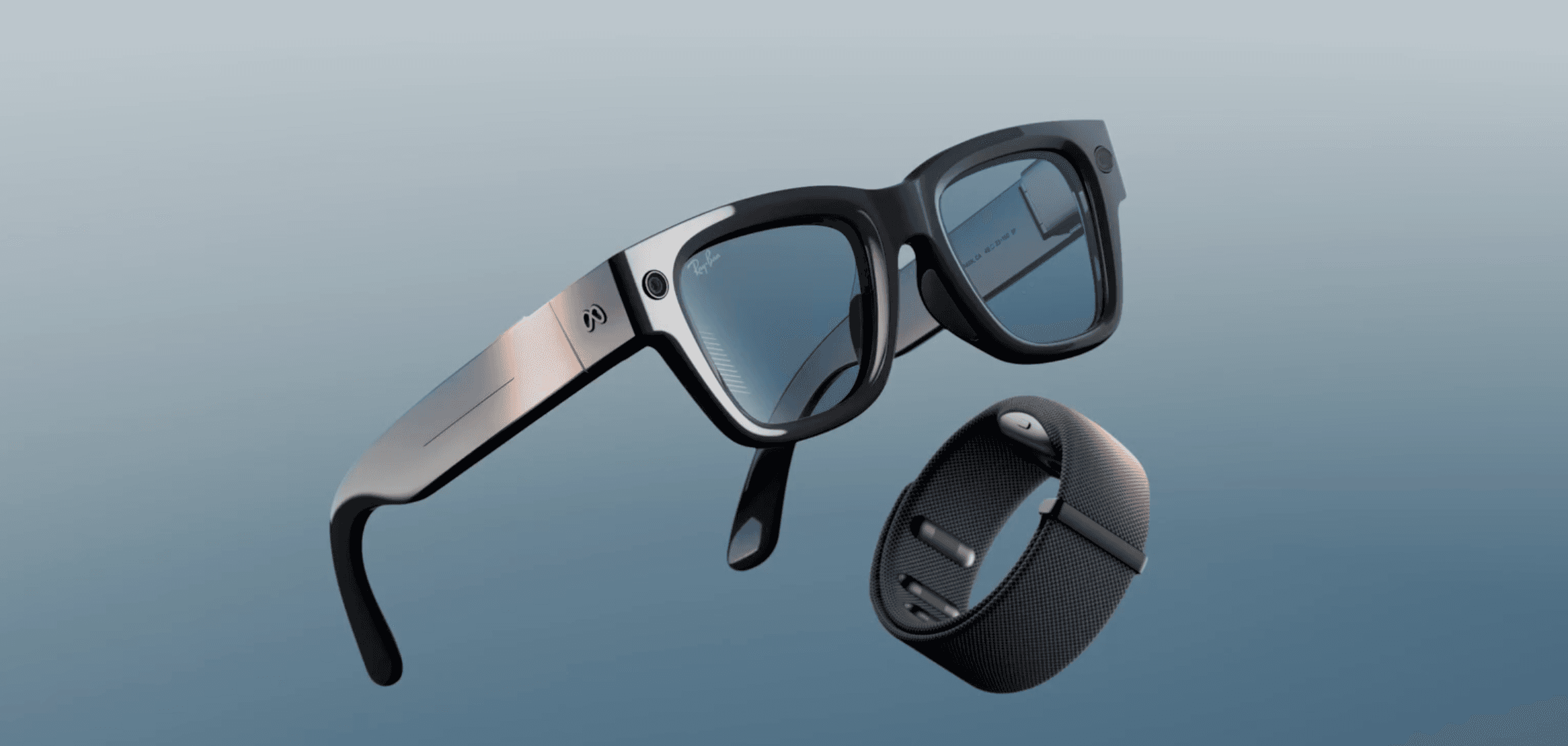
The genius move was outsourcing taste. Instead of designing hardware in a lab and hoping people would wear it, Meta partnered with EssilorLuxottica (the company behind Ray-Ban and Oakley) and built the tech into frames people already wanted. The Wayfarer silhouette is a 70-year-old design icon. Drop a 12MP camera and open-ear speakers into it, and suddenly the cyborg energy evaporates. You just look like someone in nice sunglasses.
That's the lesson the entire industry is now scrambling to copy: nobody wants to wear a gadget on their face, but everybody already wears eyewear. Get the object right and the computer can hide inside it.
The 2026 range leans all the way into this. Beyond the original Wayfarer-style Ray-Bans, Meta expanded into Oakley sport frames built for movement (the rugged, louder-audio styles aimed at runners and cyclists) and, crucially, prescription-friendly designs. New frame families built specifically for people who wear glasses all day (rectangular and rounder options in multiple sizes) acknowledge the obvious: the killer feature of all-day eyewear is that you can actually wear it all day.
What they actually do
Strip away the hype and the proposition is genuinely useful. You say "Hey Meta," and a conversational AI assistant, powered by Meta's latest Llama models, answers in your ear. You can capture photos and video hands-free, take calls, and pipe audio without anything in your ears. The camera does the heavy lifting: point your face at something and ask what it is, translate a menu, or log a meal by snapping it and letting the AI extract the nutrition details into an app.
This is the shift people underestimate. The earlier generation was a camera-and-speaker novelty. The current one is an agentic device: it doesn't just respond, it does small tasks for you in the background. That's the difference between a toy and a tool, and it's why these things stopped getting left in a drawer after week two.
The culture angle
Here's where it gets interesting for anyone who cares about how technology becomes cool. Smart glasses crossed over the same way sneakers and gorpcore did: through people, not spec sheets. Creators adopted them because POV content shot from eye level looks more natural and immediate than a phone held at arm's length. Musicians and athletes wore them because the frames already fit their fits. The product became aspirational before most people understood what it did.
That's a textbook hype loop, and Meta clearly knows it. Aggressive pricing has helped too: the company has repeatedly discounted the Oakley Meta HSTN and Ray-Ban models below holiday pricing to push volume, treating the glasses less like a margin product and more like a platform play. Get the cameras on faces now; figure out the rest later.
The competition is finally awake
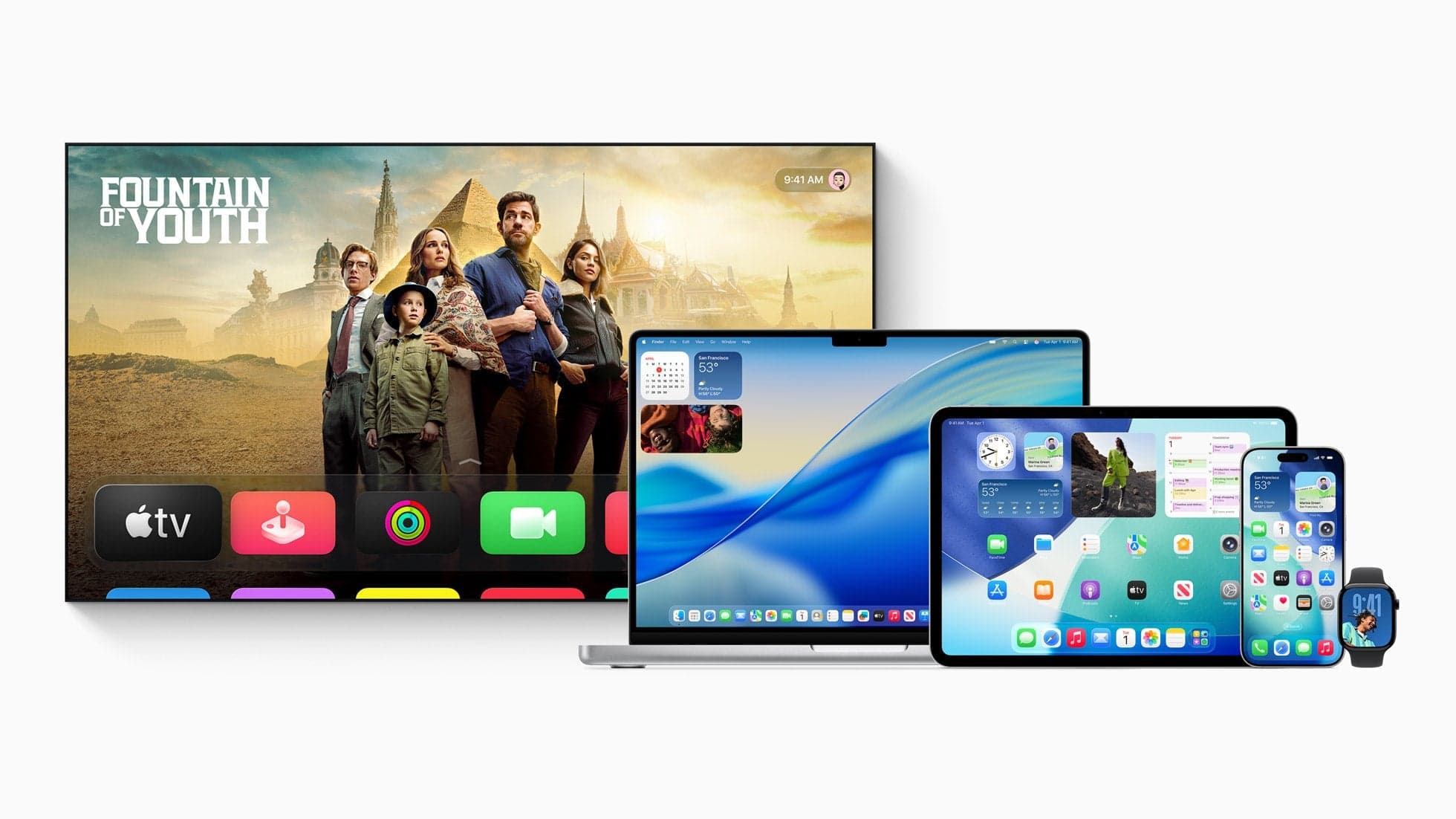
For a while Meta had the lane to itself. Not anymore. The Android XR camp (Google, Samsung, Warby Parker and Gentle Monster) has previewed reference glasses, with Gentle Monster's involvement being the tell: even the rivals understand that this is a fashion fight as much as a tech one. And then there's the elephant in the room. Apple's first smart glasses are reportedly lined up for an end-of-2026 reveal with retail in 2027, which means the category is about to get the one thing that turns a trend into a movement: an Apple-versus-everyone narrative.
If you've watched Apple enter a category before (phones, watches, earbuds), you know the playbook. They show up late, lean hard on industrial design and ecosystem lock-in, and redraw the map. Meta has a multi-year head start and the better fashion partnerships. That's not nothing. But the next 18 months are going to be the most interesting stretch this category has ever seen.
Should you actually buy a pair?
If you're a creator, the answer is basically yes: hands-free, eye-level capture is a real workflow upgrade. If you live in your phone's camera and want a more discreet way to shoot life as it happens, also yes. If you mostly want a great-looking pair of Ray-Bans or Oakleys that happen to take calls and answer questions, the value proposition is now reasonable rather than aspirational.
The honest caveat: battery life still means you're charging the frames more than you'd like, and the privacy questions (a camera on a stranger's face) aren't going away. A small indicator light is not the same as consent, and the culture around recording in public is still being negotiated in real time.
But the bigger picture is undeniable. The face computer spent ten years being the thing that couldn't work because nobody would wear it. In 2026, the problem flipped. The glasses look good, the AI is genuinely helpful, and the only real question left is which logo ends up on your temples. The cyborg era is over. The cool era just started.