The spec sheet is dead. Long live the vibe.
For two decades, gadgets sold on numbers: more megapixels, more gigahertz, more nits, more milliamp-hours. Then everything got good enough, the numbers stopped mattering, and a strange thing happened. The thing people actually wanted from technology in 2026 wasn't more power. It was more personality. Welcome to the era of cute tech, where a device's charm is its killer feature and design is the new spec sheet.
This isn't a fringe aesthetic. WGSN's 2026 trend report explicitly predicts a rise in "cute tech" built on toy aesthetics, playfulness, and nostalgia. And the products bearing it out are everywhere. The most interesting hardware of the moment isn't the most powerful. It's the most fun to look at and the most fun to hold.
Nothing wrote the playbook
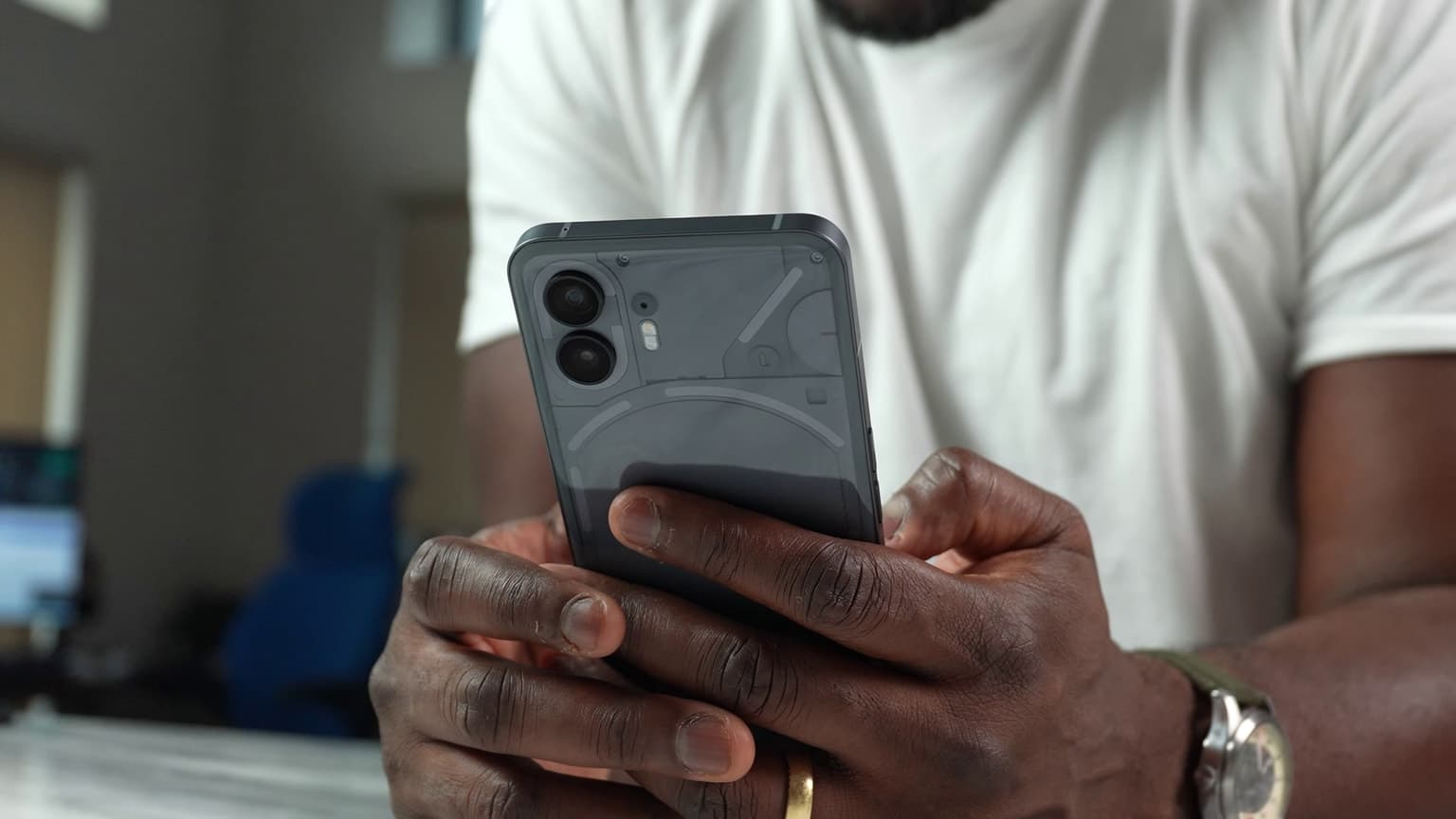
If one brand defined this lane, it's Nothing. From day one, the company's transparent, brutalist hardware (dreamt up in collaboration with the legendary Teenage Engineering) treated design as the product. The see-through casing, the dot-matrix Glyph lighting, the deliberately offbeat industrial language: none of it was about benchmarks. It was about making a phone feel like an object you wanted to display rather than hide in a case.
Reviewers who arrived as skeptics keep leaving as converts. The Nothing Phone (4a) Pro got described as "just flat-out fun" by writers who walked in expecting a gimmick, which is exactly the point. In a sea of identical black rectangles, fun is a differentiator. Joy is a feature you can't put on a spec sheet, and Nothing figured out that it sells.
Then Nothing made clothes
The clearest signal that cute tech has crossed into culture: Nothing made a fashion foray. The company launched a debut all-white apparel collection inspired by 1970s IBM aesthetics and scientific lab uniforms: crisp, clinical, design-nerd catnip. A phone brand dropping a clothing line isn't a gimmick when the brand was a design brand first and a tech brand second. It's a logical extension. The same sensibility that makes you want the phone makes you want the jacket.
That's the tell. When a gadget company can credibly sell apparel off the strength of its design identity, you're no longer looking at a tech company. You're looking at a lifestyle brand that happens to make electronics, the same evolution that turned sneaker companies into cultural institutions.
Teenage Engineering, the patron saint
You can't talk about any of this without Teenage Engineering, the Swedish studio that has spent years proving that electronics can be objects of desire. Their synthesizers, the toy-like OP-1 and pocket operators, the playful modular gear: all of it operates on the principle that a device should spark joy before it does anything useful. They're the reason a generation of designers now treats "delightful" as a real engineering requirement, and their fingerprints are on the whole movement.
The indie wave proves it's real
Cute tech isn't just big-brand strategy; it's bubbling up from the margins too. Experimental L.A. designer Tommy Bogo released the PocketCam: an all-in-one camera, gaming console, and MP3 player that blends analog nostalgia with playful tech-fashion energy. It's the kind of object that doesn't need to out-spec your phone, because it's not competing on specs. It's competing on feeling, on the small thrill of a dedicated, tactile, slightly retro device in a world of glass slabs.
This is the same nostalgia engine driving digital cameras back into Gen Z's hands and dumbphones into ironic rotation. People are tired of the all-in-one rectangle. They want objects with character, single-purpose charm, and a story.
Why this matters beyond aesthetics
There's a deeper shift underneath the cuteness. When every device can do everything, choosing one becomes an act of taste, not utility. Your gadget becomes an accessory, something that signals who you are, the way a watch or a bag does. That's why this story lives at the intersection of tech and fashion, and why HYPE's audience should care. The lines have fully dissolved.
Techwear's 2026 evolution tells the same story from the apparel side: the tactical, all-pockets aesthetic has matured into something quietly sophisticated: clean lines, premium trims, intelligent engineering. Utility became luxury. The garment and the gadget are converging on the same idea: function expressed as style.
What to watch
Expect more crossovers, not fewer. More tech brands launching apparel and accessories off their design DNA. More fashion houses commissioning gadgets as drops. More indie designers shipping single-purpose objects that win on charm. And expect the spec-sheet arms race to keep losing relevance for everyone who isn't a benchmark obsessive.
The takeaway for 2026 is simple and a little liberating: the best gadget isn't the most powerful one. It's the one you actually want to pull out of your pocket, the one that makes you smile before it makes you productive. Cute tech understood that joy is the differentiator nobody else was selling. Everyone's about to start.