For most of its history, Ferrari has sold one promise above all others: noise. The shriek of a naturally aspirated V12 climbing past 8,000 rpm is the brand's signature, its religion, the thing that justified the price. So when Ferrari finally revealed its first fully electric car (reported to wear the Elettrica name), the question wasn't whether it would be fast. Ferraris are always fast. The question was whether Maranello could make an EV that still felt like a Ferrari.
The answer is more interesting than a simple yes or no.
Not the supercar you expected
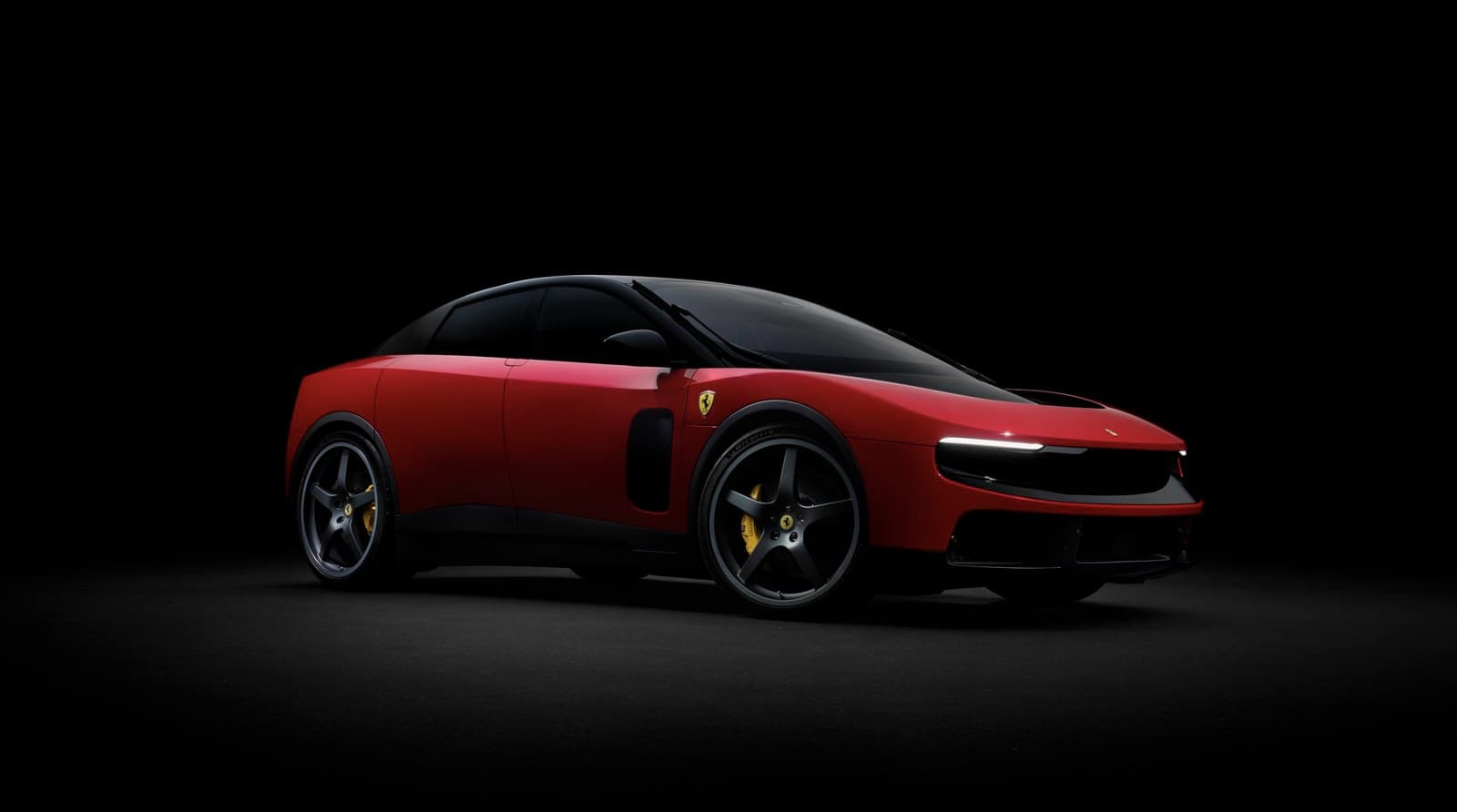
The first surprise is the shape. This is not a wedge-profile mid-engine missile. Ferrari's debut EV is a four-door, five-seat grand tourer, closer in concept to a Purosangue than an SF90. That positioning is deliberate. Ferrari is using electrification to expand into the daily-usable, family-adjacent luxury space where rivals like the Porsche Taycan and the forthcoming wave of premium EVs already live, rather than electrifying its halo two-seaters first.
It's a smart hedge. The people most likely to want a quiet, effortless, tech-forward EV are not the same diehards who'd revolt at a silent track weapon. By making its first electric car a GT, Ferrari gets to learn the technology on a body style where refinement is a feature, not a betrayal.
The sound question, answered honestly
Here's where it gets philosophically interesting. Plenty of EV makers have tried to paper over electric silence with synthesized engine roars: Dodge's Charger Daytona pipes a 600-watt fake muscle-car bellow through speakers; BMW commissioned Hans Zimmer to compose its orchestral IconicSounds. Ferrari publicly rejected the fake-noise route.
Instead, the company says it captures the actual mechanical and electromagnetic vibrations produced by the drive unit and amplifies that: a real signal from a real motor, deployed only when it gives the driver useful feedback. No invented V8 cosplay, no Hollywood foley. If the car sounds like something, it's because the powertrain genuinely makes that sound.
It's the most defensible position in the entire EV-audio debate. Enthusiasts hate fake noise precisely because it's a costume. By committing to authentic motor sound, Ferrari sidesteps the costume problem entirely. Whether the result is thrilling is a separate matter, but it's honest, and honesty is rarer than horsepower right now.
The Jony Ive factor
The Elettrica's design has been shaped partly with input attributed to former Apple design chief Jony Ive, the man behind the iPhone and a generation of objects defined by reductive, almost severe minimalism. You can feel that influence in the early imagery: surfacing that's smoother and more pared-back than Ferrari's usual aero-aggressive language, fewer slats and ducts, a calmer face.
That's a genuine risk. Part of Ferrari's appeal has always been theatrical excess: the drama is the point. A Ferrari that looks like a beautifully resolved consumer-electronics object is a Ferrari that some of the faithful won't recognize. But it's also a calculated bet that the next generation of buyers (younger, design-literate, raised on Apple-grade industrial design) wants exactly this: power wrapped in restraint.
Numbers that still say Ferrari
Lest anyone think Maranello has gone soft, the performance figures keep the badge honest. Reporting around Ferrari's electric program points to outputs north of 1,000 horsepower, with range figures competitive with the best luxury EVs on the market. This is not a compliance car or a science experiment. It's a flagship-grade machine that happens to run on electrons.
That matters because it sets the template. The Elettrica is the proof of concept; whatever electric supercar follows will inherit its motors, its battery architecture and, crucially, its sound philosophy. Get the GT right, and the eventual electric Berlinetta has a foundation.
Why this reveal is bigger than one car
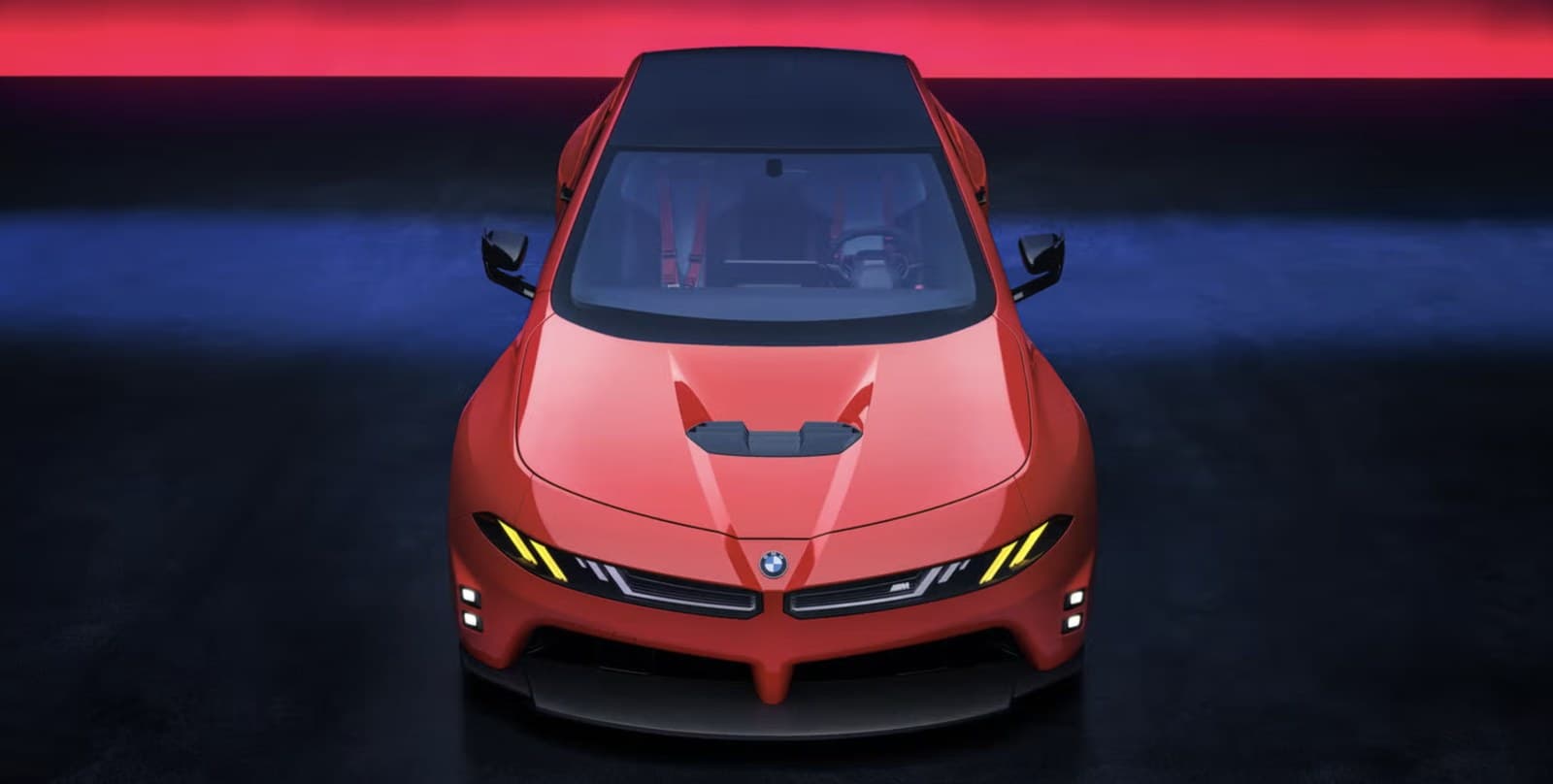
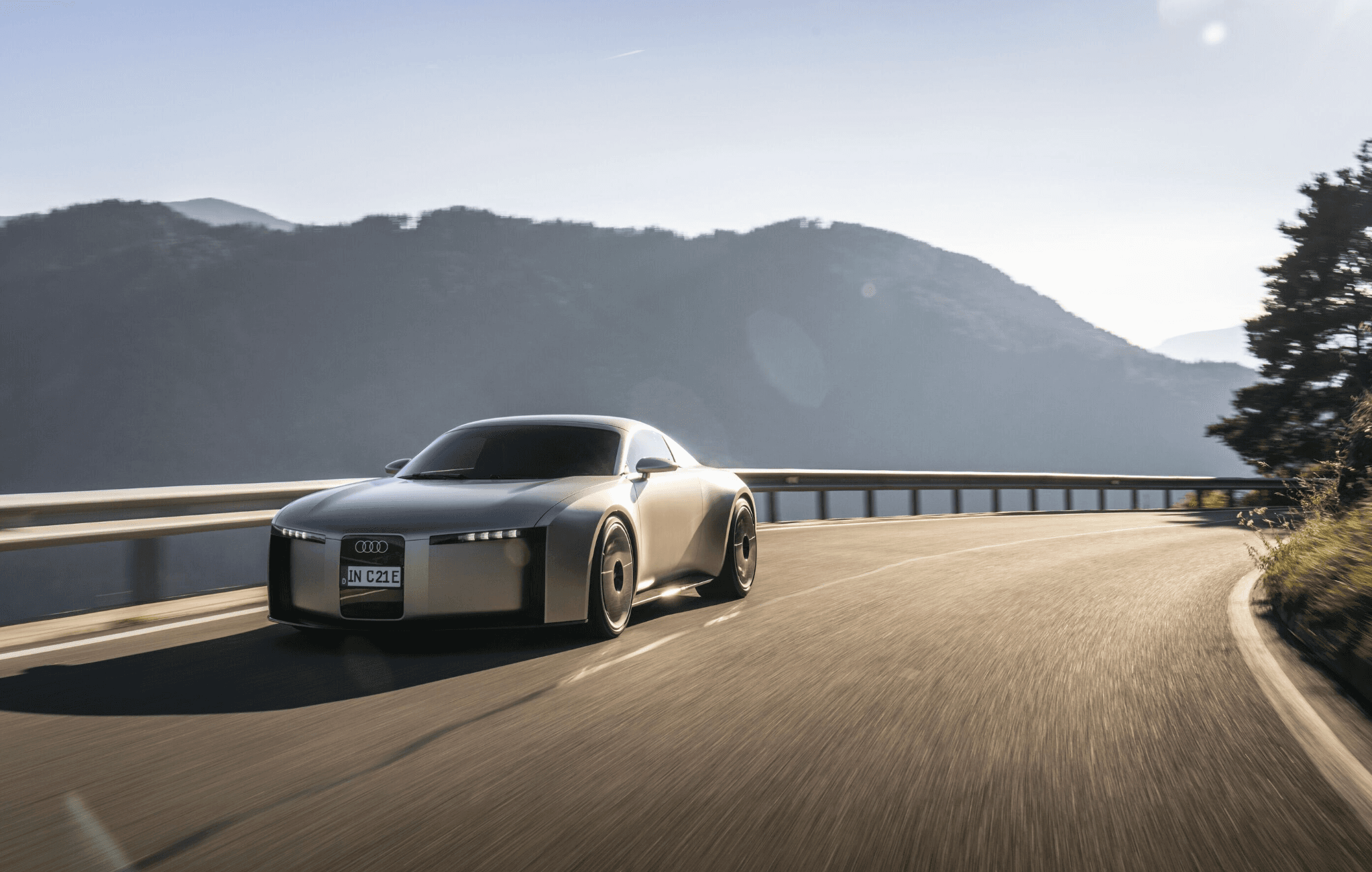
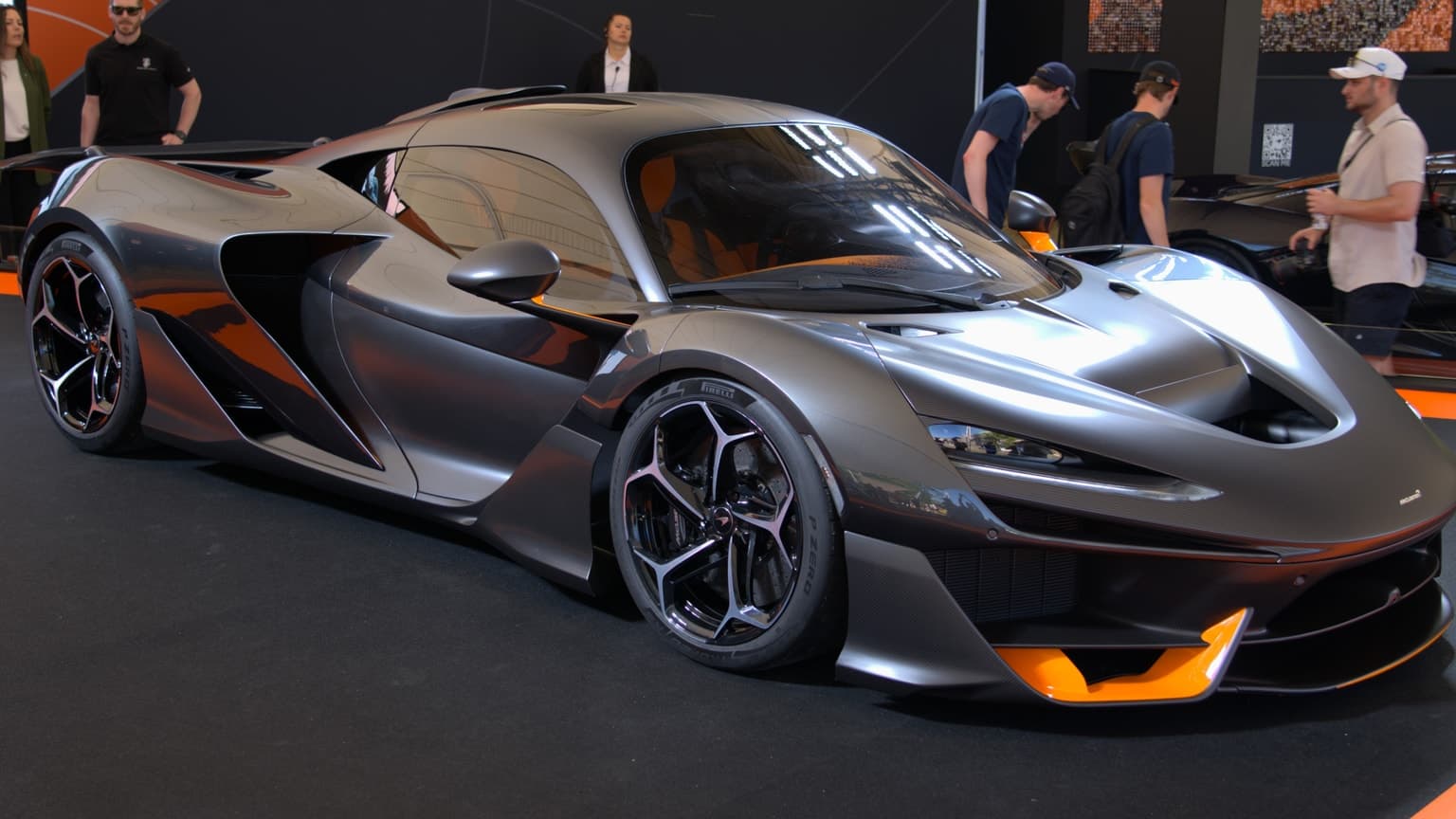
Step back and the Elettrica is a hinge moment for the whole industry. Every legacy halo brand is converging on the same crossroads: Bugatti, McLaren and Ferrari are all going hybrid or electric for their next-generation flagships, because emissions rules and physics leave little choice. The open question has been whether electrification kills the soul of these brands: whether a Ferrari without combustion is still a Ferrari.
Maranello's answer is to lean into the parts of its identity that don't depend on internal combustion: the design, the engineering theatre, the obsessive feel of the controls, and now an audio signature rooted in real machinery rather than fakery. If it works, it's a roadmap for everyone. If it flops, it's a cautionary tale about what happens when you electrify the one brand whose entire mythology was built on sound.
The takeaway
The Elettrica is the most consequential Ferrari in a generation precisely because it's the least expected one. A four-door, five-seat, minimalist, Jony-Ive-adjacent EV that refuses to fake its own voice is a long way from the screaming V12 berlinettas that built the legend. But that's what makes it brave. Ferrari could have hidden behind synthesized engine notes and retro styling cues. Instead it's betting that the brand survives the transition on its real merits: design, engineering and honesty about what an electric Ferrari actually is.
Whether the faithful follow is the story of the next two years. Deliveries are slated to begin late in 2026. The wait will tell us whether the most famous noise in motoring can survive its own silence.