I want to be clear about what I'm not arguing. I'm not one of those people who thinks EVs are soulless and combustion is sacred. Electric cars are genuinely thrilling: instant torque is a drug, and a quiet, brutally fast machine is its own kind of magic. So this isn't a "save the manuals" rant. It's narrower and, I think, harder to dismiss: the industry's obsession with making electric cars pretend to be gas cars through synthesized engine noise is a creative dead end. And the brand that figured this out is the one you'd least expect.
The fakery, catalogued
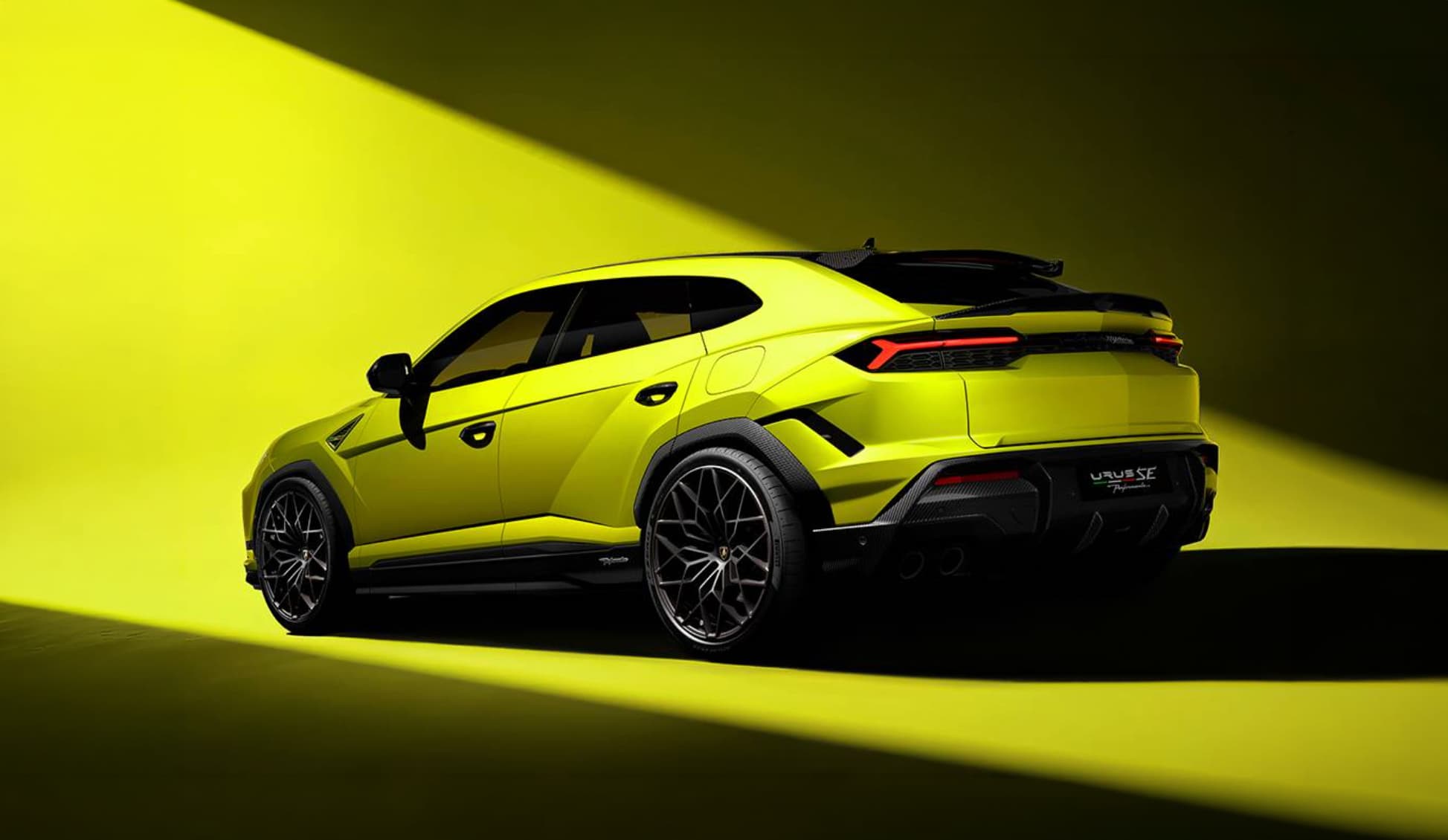
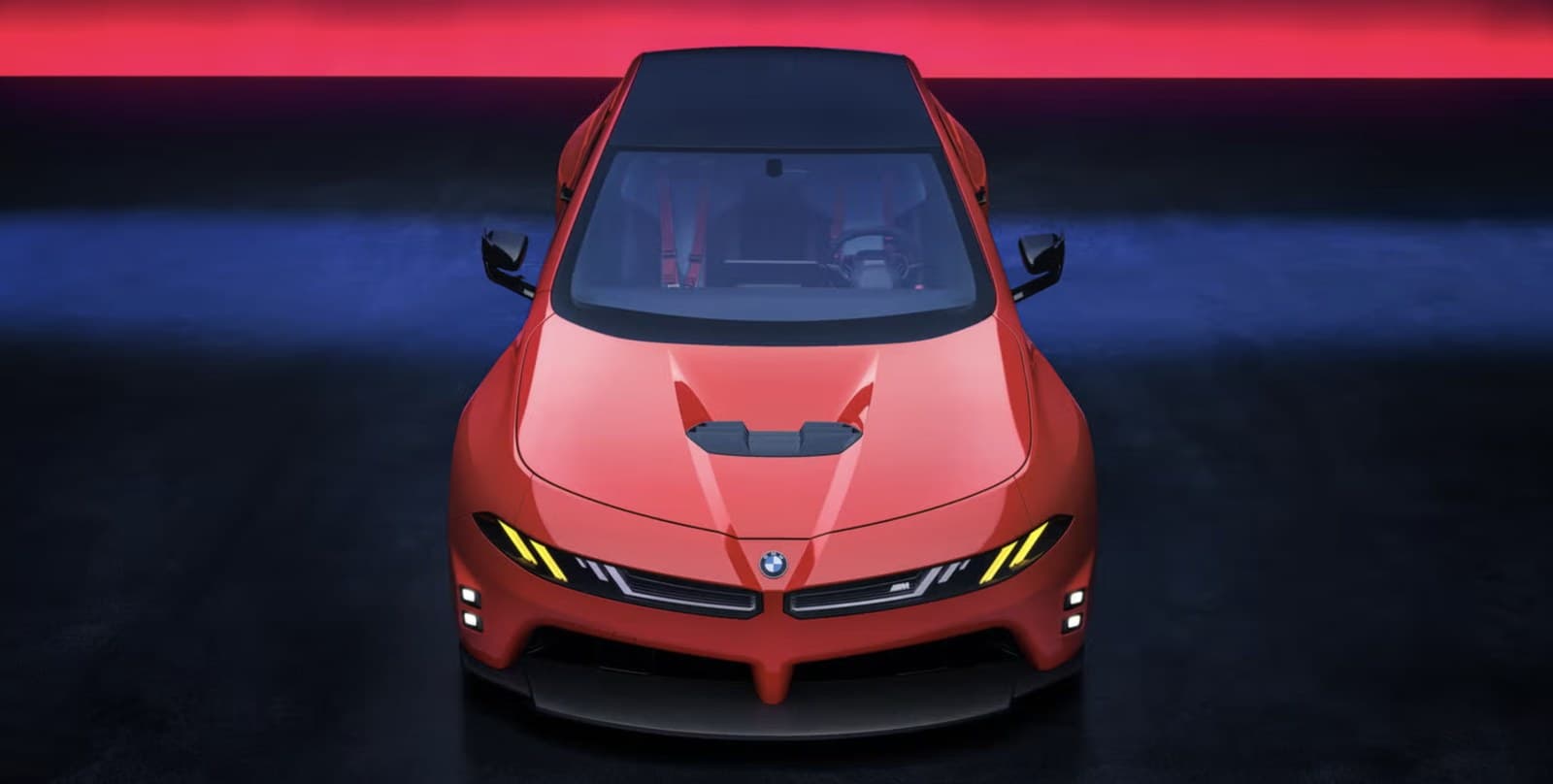
Let's survey the state of the art, such as it is. Dodge built the Charger Daytona EV with a 600-watt sound system designed to mimic a muscle car's roar: woofers and midrange speakers feeding a chamber to manufacture a V8 bellow that doesn't exist. Hyundai's Ioniq 5 N simulates gearshifts, deliberately interrupting its own acceleration to feel more like a combustion car. BMW hired film composer Hans Zimmer to write its IconicSounds, orchestral tones that swell with throttle input.
These are not lazy efforts. They represent serious engineering and real money. And yet the consensus among enthusiasts (the people these sounds are explicitly designed for) ranges from skeptical to actively hostile. The criticism is remarkably consistent: the fake noises are unconvincing. They sound like what they are. A speaker pretending to be an engine.
The core problem: it's a costume
Here's the thing the manufacturers keep missing. The objection isn't really about volume or fidelity. It's about authenticity. A combustion engine's sound is a byproduct of physical reality: controlled explosions, moving metal, air being violently displaced. It's information. The pitch tells you the revs, the tone tells you the load, the character tells you the engine's health. The sound means something because it's connected to what the machine is actually doing.
A synthesized engine note severs that connection. It's a costume, a sound effect playing over the top of a fundamentally different event. And humans are eerily good at detecting fakery. We know, on some pre-conscious level, that the noise and the motion don't match. That's why fake engine sound triggers the same low-grade revulsion as a bad CGI effect or an uncanny-valley face. It's not that it sounds bad. It's that it sounds false. And falseness is the one thing car culture, built entirely on authenticity and earned knowledge, cannot abide.
Ferrari, of all brands, got it right
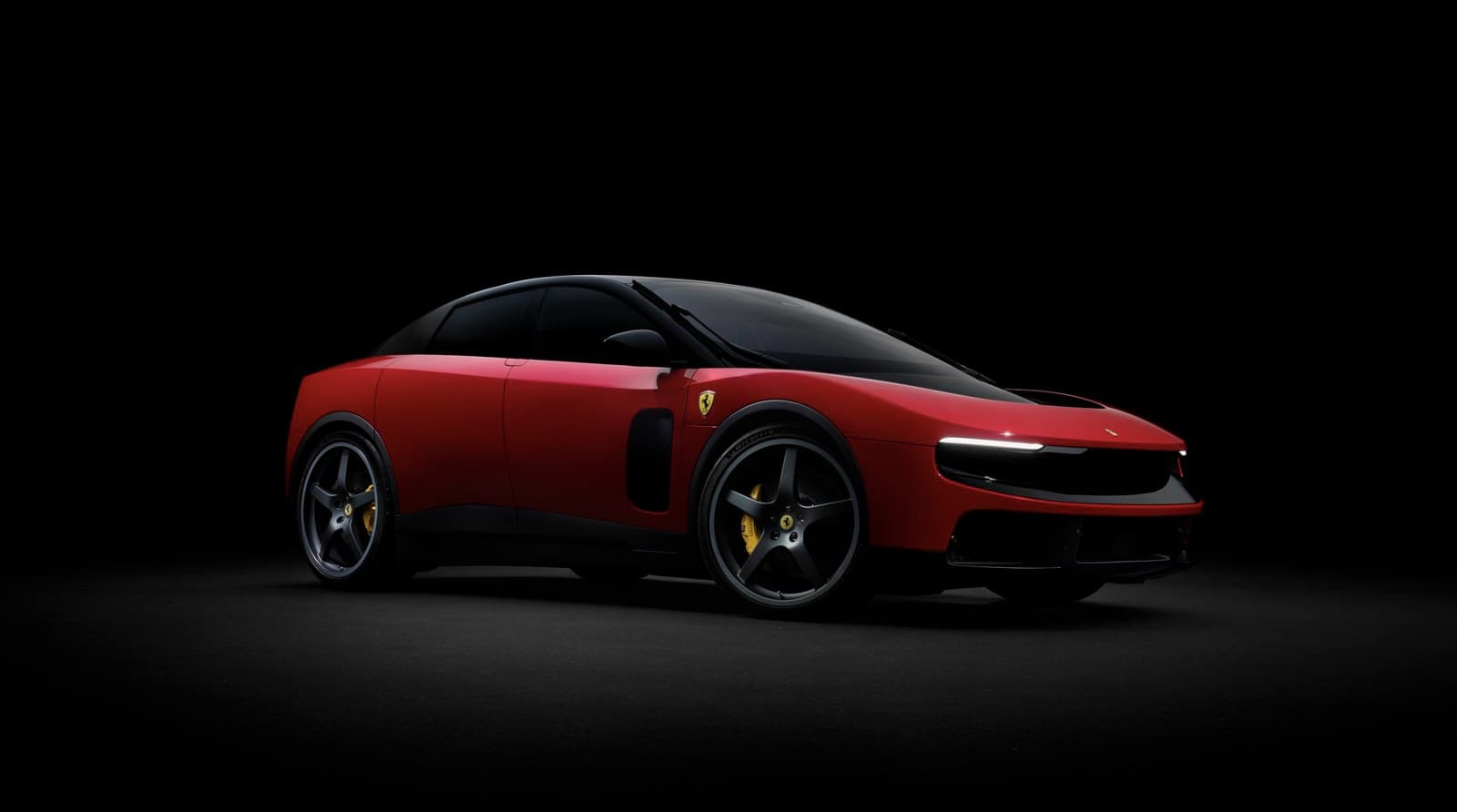
Which brings us to the plot twist. The brand whose entire mythology is built on the sound of a screaming V12 (the company with the most to lose from electric silence) is the one that refused to fake it. For its first EV, Ferrari publicly rejected synthesized engine noise. Instead, it captures the actual solid-borne vibrations produced by the electric drive unit and amplifies that, deploying it only when it gives the driver genuine, useful feedback.
Think about what that means. Ferrari isn't trying to make its EV sound like a 12-cylinder. It's making the EV sound like itself: honestly, mechanically, from a real source. The sound, whatever it is, will mean something, because it's connected to what the powertrain is actually doing. That's the entire difference. Ferrari chose authenticity over imitation, and in doing so sidestepped the costume problem completely.
It's a genuinely radical move dressed as a conservative one. Everyone expected Ferrari to be the brand most desperate to paper over electric silence with fake drama. Instead it made the most intellectually honest decision in the entire category.
Why imitation will always lose
The fundamental error of the fake-V8 approach is that it accepts combustion sound as the target, the ideal an EV should aspire to. But why? An electric motor is a different machine. It has its own physical voice: a whine, a hum, the eerie sci-fi character of pure electric propulsion. That sound isn't worse than a V8. It's different. And the moment you decide the goal is to imitate combustion, you've guaranteed failure, because the EV will never out-V8 a V8. It'll only ever be a convincing-to-unconvincing fake.
The Dodge approach, chasing the muscle-car ghost, is the clearest example. It's nostalgia engineered into a speaker, and nostalgia is exactly the wrong instinct, because it defines the electric car by what it isn't. You can't build a new identity by cosplaying an old one.
What should replace it
The way forward is the Ferrari way, generalized: let electric cars sound like electric cars, and design that sound authentically: rooted in the real machine, amplified for feedback and feel, never pretending to be combustion. Lean into the whine. Make the sci-fi character a feature, not an embarrassment. The drivers who grew up on petrol may mourn the V8, and that's fair. But the next generation has no such baggage. To them, the electric voice is the sound of performance, the way the V8 was to their parents. Don't hand them a costume. Hand them something real.
The takeaway
The fake-engine-noise era (Dodge's 600-watt V8 cosplay, Hyundai's simulated shifts, BMW's orchestral swells) is a creative dead end, because it's built on imitation, and imitation in car culture reads as falseness, and falseness is unforgivable. The fix isn't louder or higher-fidelity fakery. It's honesty.
Ferrari, the brand with the most sacred engine note in history, showed everyone the answer: don't fake it, source it. Let the electric machine speak with its own real voice. Stop making EVs pretend to be gas cars. They're something new. The bravest thing the industry can do is let them sound like it.