The state of play at the midpoint
Halfway through 2026 and the year has already cycled through more cultural eras than some entire decades. The connective theme, if there is one, is a hard pivot from the quiet minimalism of the early 2020s toward something louder, messier, and more individual. Here, ranked loosely by impact, are the ten moments that have defined the year so far, and the threads tying them together.
1. GTA 6 finally landed
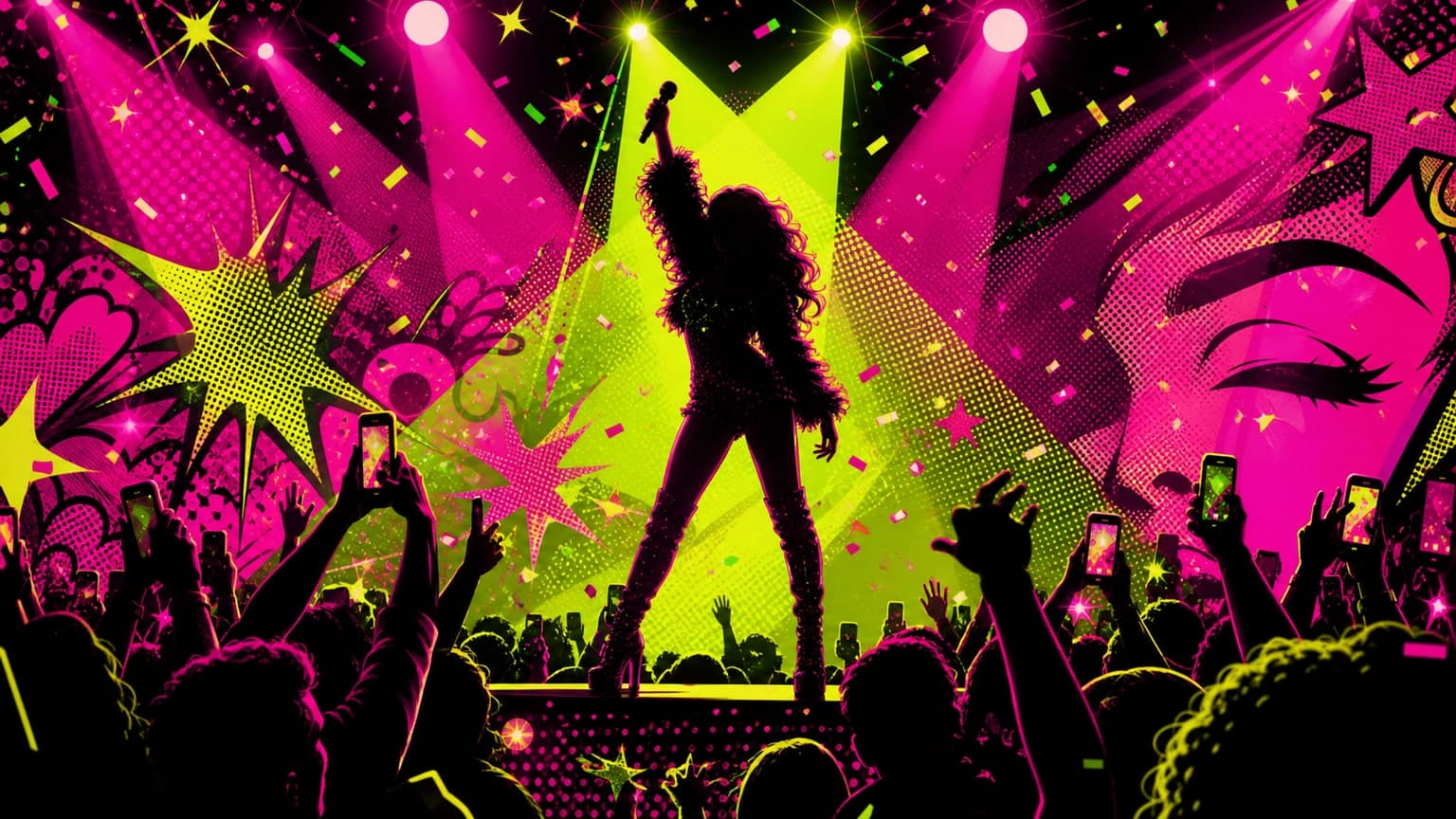
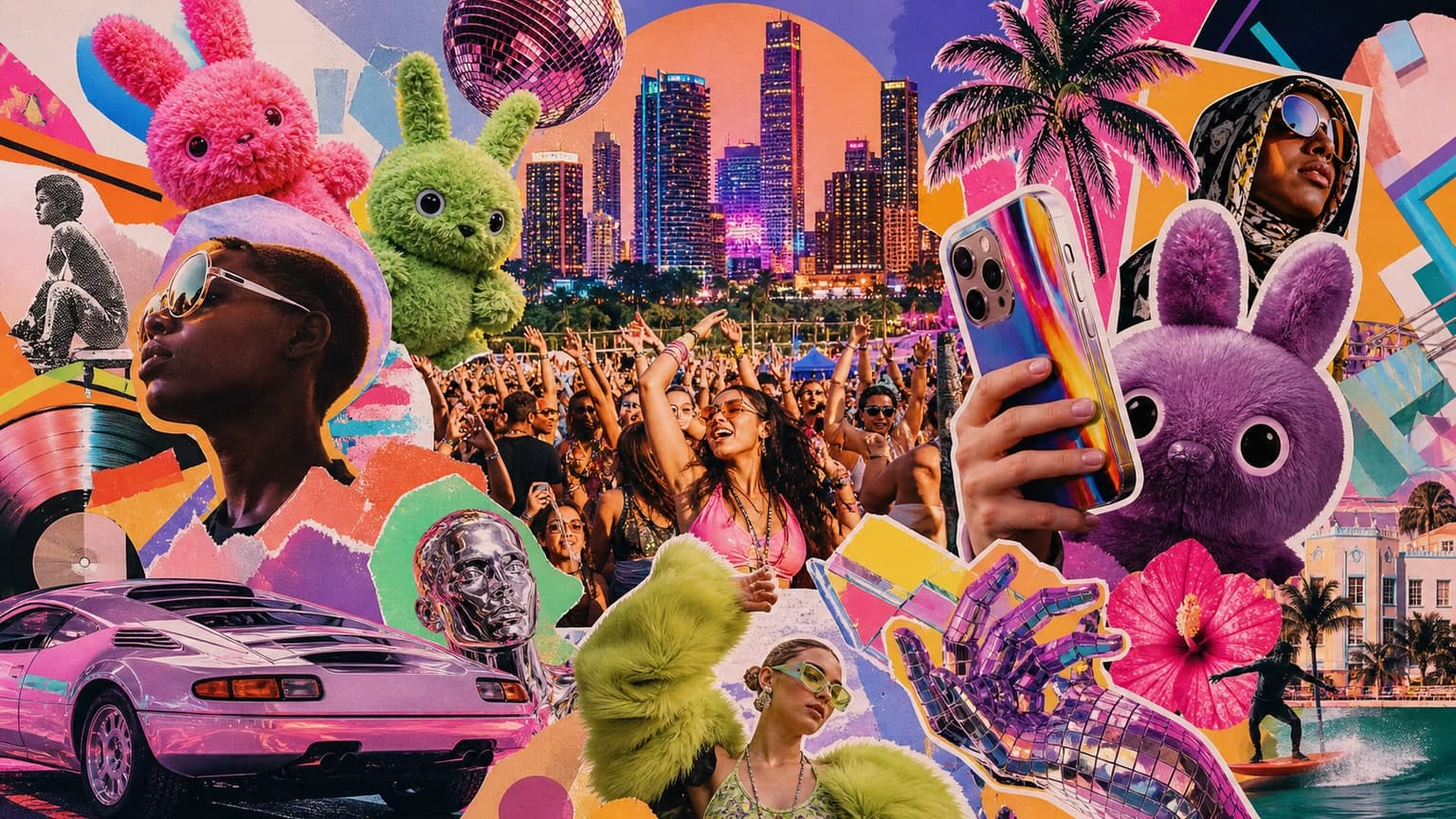
After a 13-year wait, the sixth installment of one of the most successful franchises in entertainment history arrived, and its Miami Vice-soaked, neon-drenched vibe is already rippling across fashion, music, and visual culture. When a game this big drops, it stops being a game and becomes an aesthetic. And 2026's color palette is suddenly very pink, very teal, and very 1980s Florida.
2. The soft-clubbing takeover
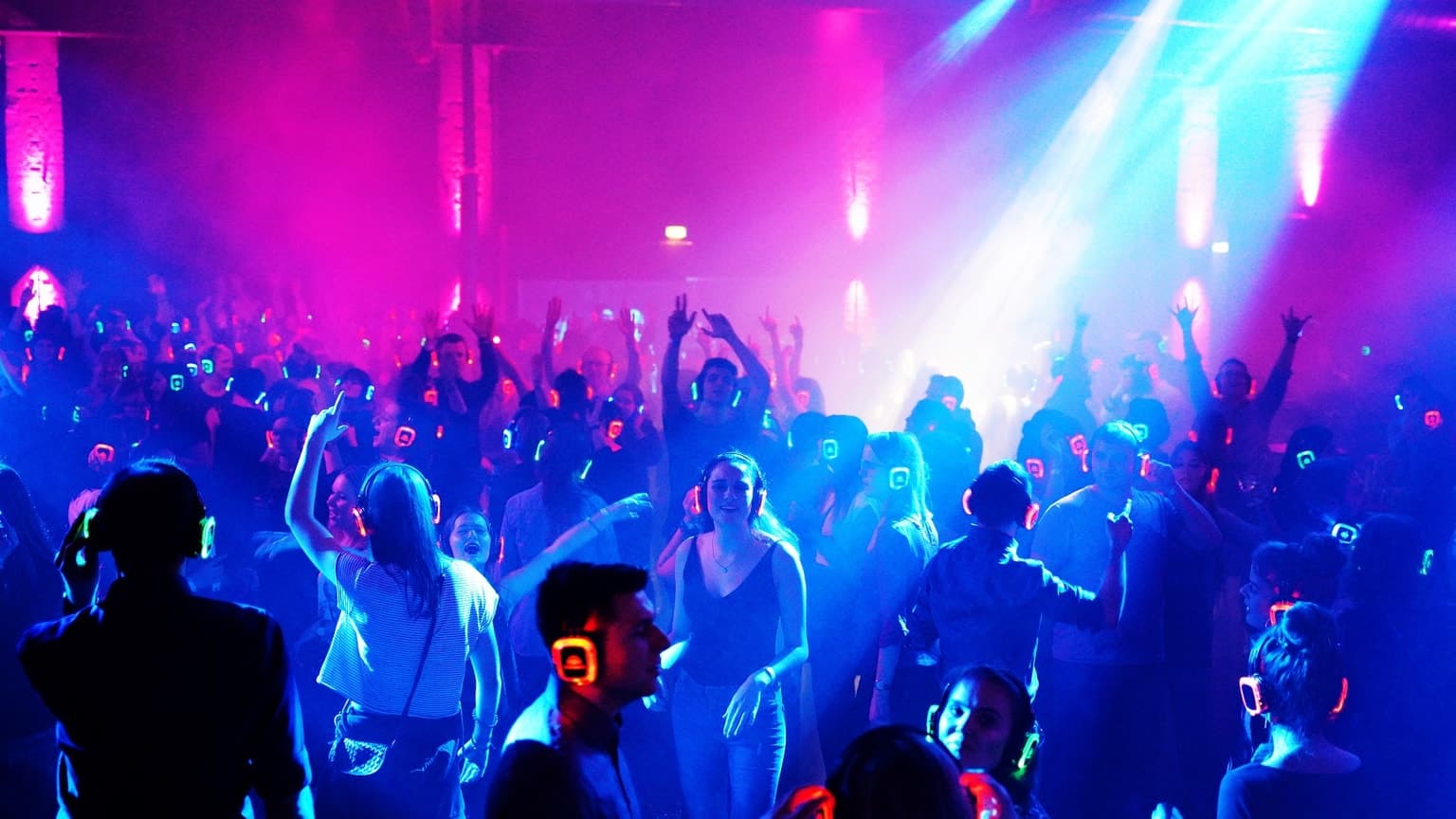
Gen Z didn't kill nightlife; they moved it to 8 a.m. and took the alcohol out. Coffee clubbing grew 478%, sober-curious gatherings jumped 92%, and Eventbrite crowned soft clubbing one of the five defining social trends of the year. Morning raves, day parties, and DJ sets in coffee shops became the new normal: proof that an entire generation rebuilt the dance floor around wellness instead of wreckage.
3. The subculture revival
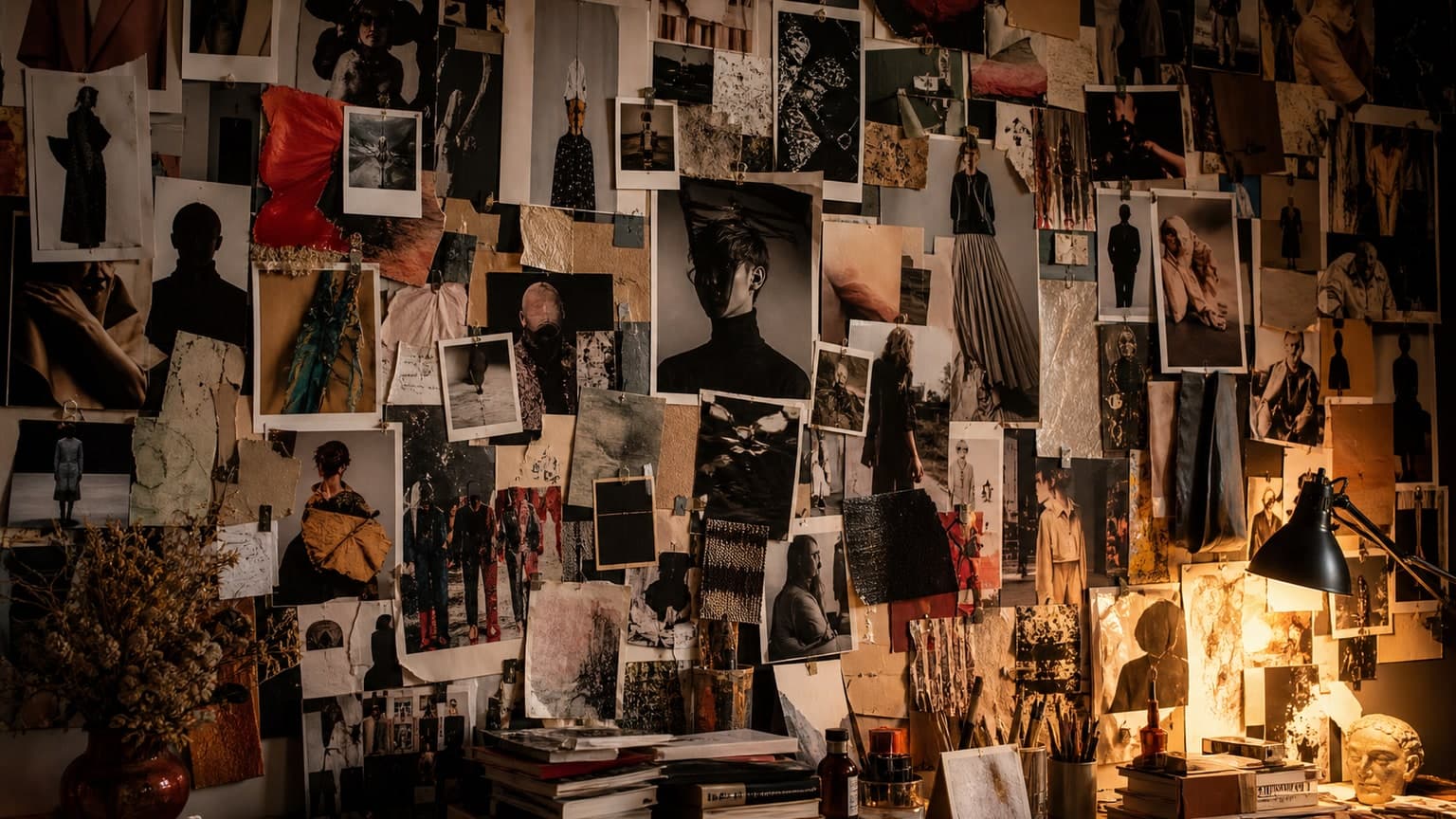
If 2025 was quiet minimalism, 2026 is loud individuality. People started cutting, sewing, and customizing again: vintage went from sustainable to subversive, thrift stores became cultural goldmines, and DIY reasserted itself as the ultimate flex. The messy, expressive energy that once lived underground resurfaced across fashion, music, and self-presentation. The unifying mood: stop chasing "cores," own your taste.
4. Sports out-hyped fashion week
In one of the year's clearest signals of where cultural power now lives, the US Open generated roughly 690% more online coverage than New York Fashion Week. Tennis, and sport broadly, has become the new arena for fashion and lifestyle influence, lapping the traditional houses at their own game. The runway didn't disappear; it just got upstaged by the baseline.
5. A fanbase-fueled streaming takeover
The biggest pop-culture happening of the year wasn't engineered by a major studio's marketing budget. It broke containment on the sheer force of online obsession. A streaming title rode runaway fan fervor into the mainstream in a way one veteran journalist called unlike anything in a decade. The lesson: in 2026, the audience decides what's massive, and the industry scrambles to keep up.
6. AI memes blurred reality
The internet entered a phase where memes started looking indistinguishable from footage. Hyperreal AI video, surreal uncanny-valley humor, and lightning-fast reaction culture took over timelines, from the genuinely real KitKat Heist to the gloriously unbothered Capybara of Indifference. The new comedic posture: assume everything's fake, laugh at the good ones, keep scrolling.
7. The Labubu bubble deflated
The fuzzy, fanged Pop Mart monster that conquered 2025 (100 million units, a $670M empire, celebrity co-signs) finally met the wall every hype object hits. Pop Mart ramped production roughly tenfold, scarcity evaporated, and resale prices on many models fell 50% or more. Peak Labubu came and went, leaving behind a permanent lesson about manufactured scarcity.
8. Pop's self-aware reign continued
The Brat-era holy trinity of Charli xcx, Sabrina Carpenter, and Chappell Roan cemented a new template for stardom: lead with self-awareness, be in on the joke, treat the persona like a costume you chose. The wink became the most valuable thing a pop star can own, and the whole industry started copying the blueprint.
9. Gorpcore went quiet
The trail aesthetic shed its neon and its logos and merged with quiet luxury into "Quiet Outdoors": muted technical wear, Gore-Tex with restraint, function over flex. It captured the broader streetwear drift away from loud branding toward understated, sophisticated, materials-first dressing. The most coveted piece in 2026 is the one that looks like nothing in particular.
10. The punk revival fought the algorithm
As feeds filled with frictionless AI gloss, artists and designers reached for scissors, glue, and deliberate chaos. The punk design revival exploded as a visceral rejection of machine-made perfection: torn edges, ransom-note type, photocopier grain. Imperfection became the new luxury, because mess is the one thing the algorithm can't fake on its own.
The thread running through all ten
Look at the list and a pattern jumps out. Soft clubbing, the subculture revival, the punk-design backlash, the move toward owned creator communities, the rejection of loud logos. Over and over, 2026 is a year of people reclaiming control. From a culture that felt increasingly automated, optimized, and flattened, the response has been individual, tactile, and human.
Even the big commercial moments fit. GTA 6 and the fanbase-fueled streaming hit both succeeded because audiences seized them and made them their own. Labubu deflated the instant it stopped feeling special. Sports out-hyped fashion because it feels more real than a runway.
If the first half of 2026 has a thesis, it's this: in an age of infinite, frictionless, machine-made everything, the things that cut through are the ones that feel chosen, made, and meant. With half the year still to run, that's the lens to watch the rest of it through.