The afterparty is over. The morning party is just getting started.
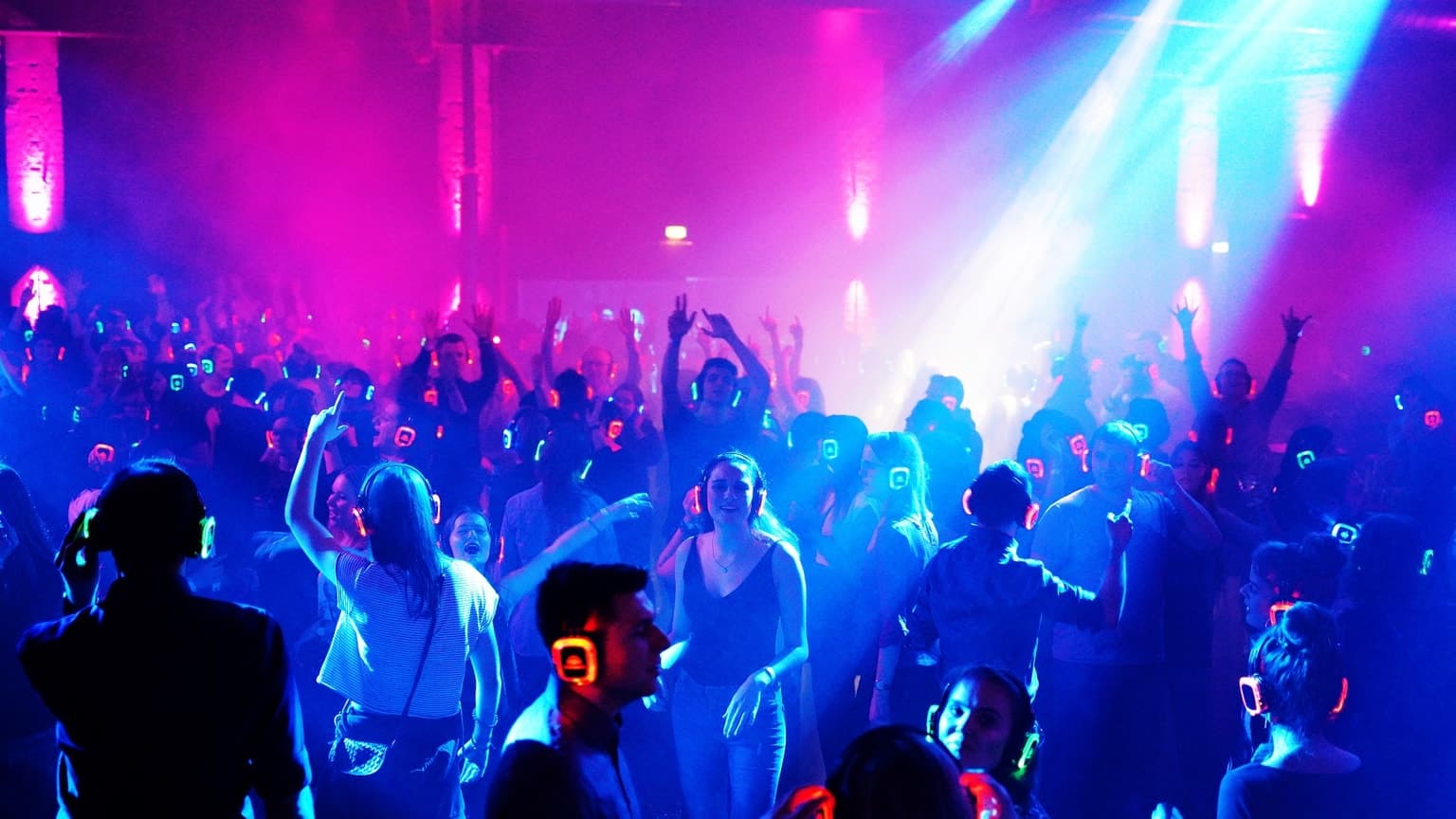
Picture a rave. Now drag it twelve hours earlier, swap the vodka for a flat white, throw open the curtains, and add a hydration station. That's soft clubbing, and in 2026 it isn't a fringe experiment. It's one of the defining social trends of the year.
Soft clubbing describes daytime social gatherings built around music, movement, and community, where the experience replaces the alcohol: morning raves, coffee-shop DJ sets, day parties, dance classes. Eventbrite named it one of the five defining social trends of 2026, and the growth numbers are the kind that make club owners sit up. Coffee clubbing alone has grown 478%. Sober-curious gatherings are up 92%. In every major city, morning raves and DJ sets in non-traditional venues are multiplying.
Gen Z didn't kill nightlife. They rescheduled it.
The data behind the dance floor
This isn't vibes. It's a measurable generational shift in how young people relate to alcohol.
Gen Z drinks significantly less than the generations before it, with 61% saying outright they want to drink less. Zoom out and only about 54% of American adults report drinking alcohol at all, hovering near a 90-year low. The "sober curious" movement (mindful drinking rather than total abstinence) has graduated from a niche hashtag into a mainstream cultural force. A striking 92% of people now say they're interested in sober-curious gatherings: the community of a party, minus the pressure and the consequences.
Read those numbers together and the soft-clubbing boom looks less like a quirky trend and more like infrastructure catching up to demand. A generation that wants to dance but not drink needed somewhere to go. The market built it.
Why daytime, why sober
The appeal is almost embarrassingly logical once you say it out loud.
You get the best parts of clubbing (the music, the movement, the collective electricity of a room full of people losing themselves to a beat) without the parts a wellness-minded generation has soured on. No hangover. No bar tab that costs more than rent. No 2 a.m. safety calculus. No lost day tomorrow. You can hit a morning rave, feel genuinely euphoric, and still make brunch and a workout. For a cohort that treats sleep, fitness, and mental health as identity-level priorities, that trade is a no-brainer.
There's a deeper read, too. The previous generation's party scene was tangled up in underground venues, alcohol, drugs, and a constant low hum of risk. Gen Z is consciously turning away from that model, not out of puritanism, but out of a different value system, one where wellness and partying aren't opposites. Soft clubbing resolves a tension that used to feel unresolvable: you can be a person who goes out and a person who takes care of themselves. You don't have to choose.
The clubs are adapting, or getting left behind
The smartest part of the soft-clubbing story is that it's forcing the old guard to evolve.
Traditional clubs and festivals aren't ignoring the shift; they're absorbing it. Meditation spaces, hydration stations stocked with electrolyte-infused water, and full non-alcoholic craft-cocktail menus are becoming standard at major electronic music events. The booze-or-nothing binary that defined nightlife for generations is dissolving. The new expectation is optionality: a great night out where drinking is one choice among many, not the entire point of being there.
Venues that get this are thriving. Venues that still think the only way to monetize a dance floor is through the bar are watching a massive, motivated audience walk straight past them to the 8 a.m. coffee rave down the street.
What it says about a generation
Soft clubbing is easy to dismiss as Gen Z being precious: dancing sober at sunrise, clutching an oat-milk latte, in bed by ten. That read misses the point entirely.
What's actually happening is a redefinition of what a good time is for. For decades, the unspoken deal of nightlife was that you traded your next day, your money, and a slice of your health for a few hours of release. Gen Z looked at that deal and rejected the terms. They still want the release: the music, the bodies, the belonging. They just refuse to pay for it with their well-being.
That's not the death of the party. It's the party finally optimizing itself. The dance floor didn't disappear; it moved into the light, kept the joy, and threw out the wreckage. And going by the numbers, an entire generation is showing up early.