A modest proposal: stop having a -core
I want to start with a confession on behalf of the entire internet. For about five years, we let an algorithm assign us a personality every Tuesday.
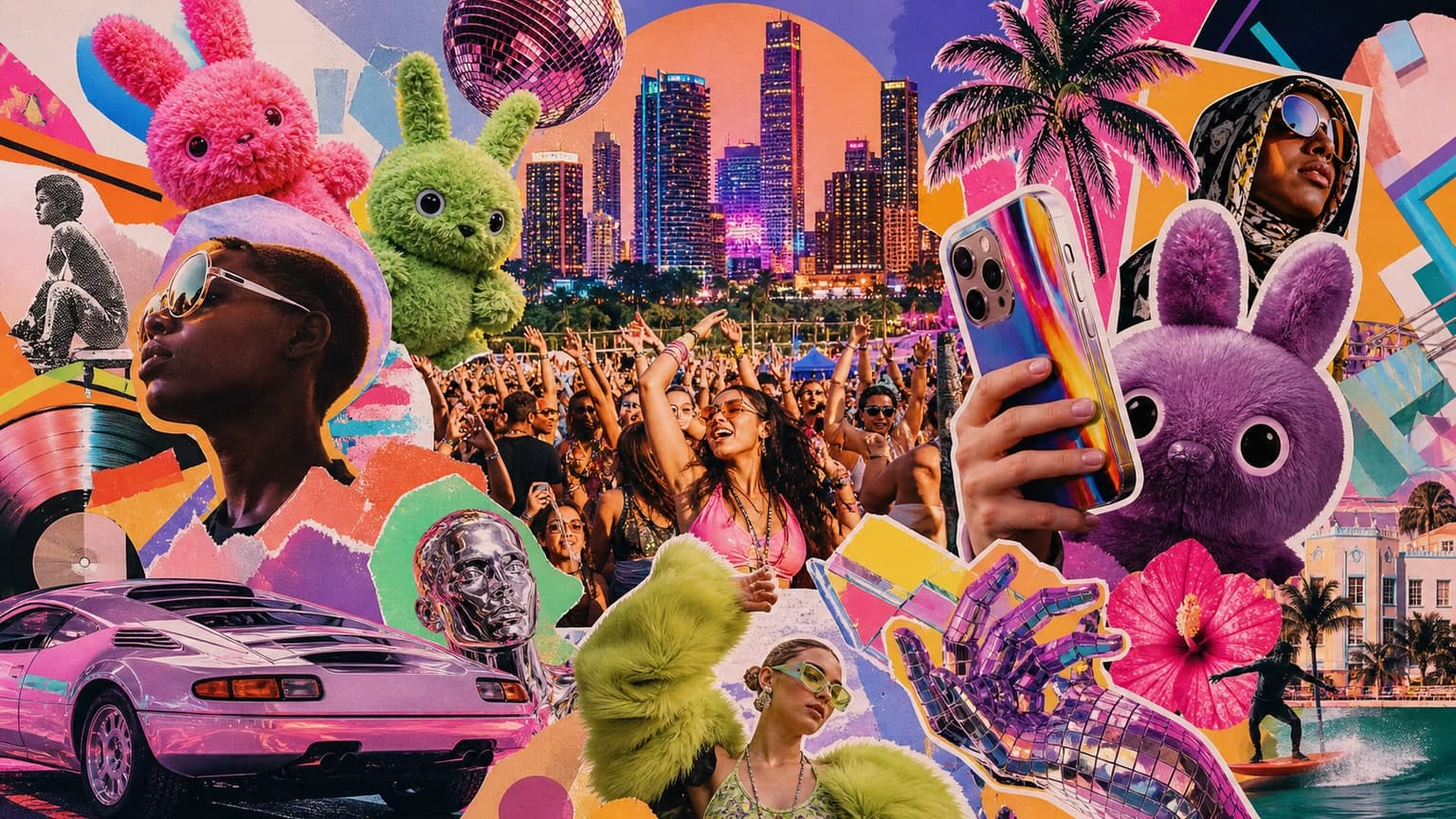
Cleancore. Gorpcore. Coastal grandmother. Mob wife. Tomato girl. Office siren. Cottagecore. Each one arrived with a moodboard, a shopping list, and a three-week shelf life before the For You Page handed us the next costume to buy. We called it self-expression. It was the opposite. It was self-expression outsourced to a recommendation engine, identity as a subscription box you didn't choose and couldn't cancel.
Here's the good news, and the whole argument of this essay: in 2026, that machine finally seized up. And we should let it stay broken.
How the -core got its grip
To understand why this matters, you have to be honest about how the aesthetic-of-the-week actually worked. It was never really about clothes. It was a content format.
The -core was perfectly engineered for the algorithm's appetite. Each one was simple enough to explain in a fifteen-second video, specific enough to be a clear identity, and crucially, purchasable: every aesthetic came pre-loaded with a haul. "Here's how to do [X]core" became one of the most reliable engagement engines ever built, because it sold belonging and gave you a to-do list to earn it. Feel adrift? Here's a whole personality, complete with the exact six items you need to buy to qualify.
The genius and the rot were the same thing. The -core promised identity but delivered consumption. It promised individuality and produced an army of people who all looked identical because they'd all watched the same video and bought the same six items. It treated taste (a slow, personal, accumulated thing) as something you could download in an afternoon. And because the cycle had to keep spinning to keep generating content, no -core was ever allowed to last. The whole point was that you'd need a new one next month.
The revolt, and why it's real
What's happening in 2026 is, genuinely, a revolt, and the evidence is everywhere I look.
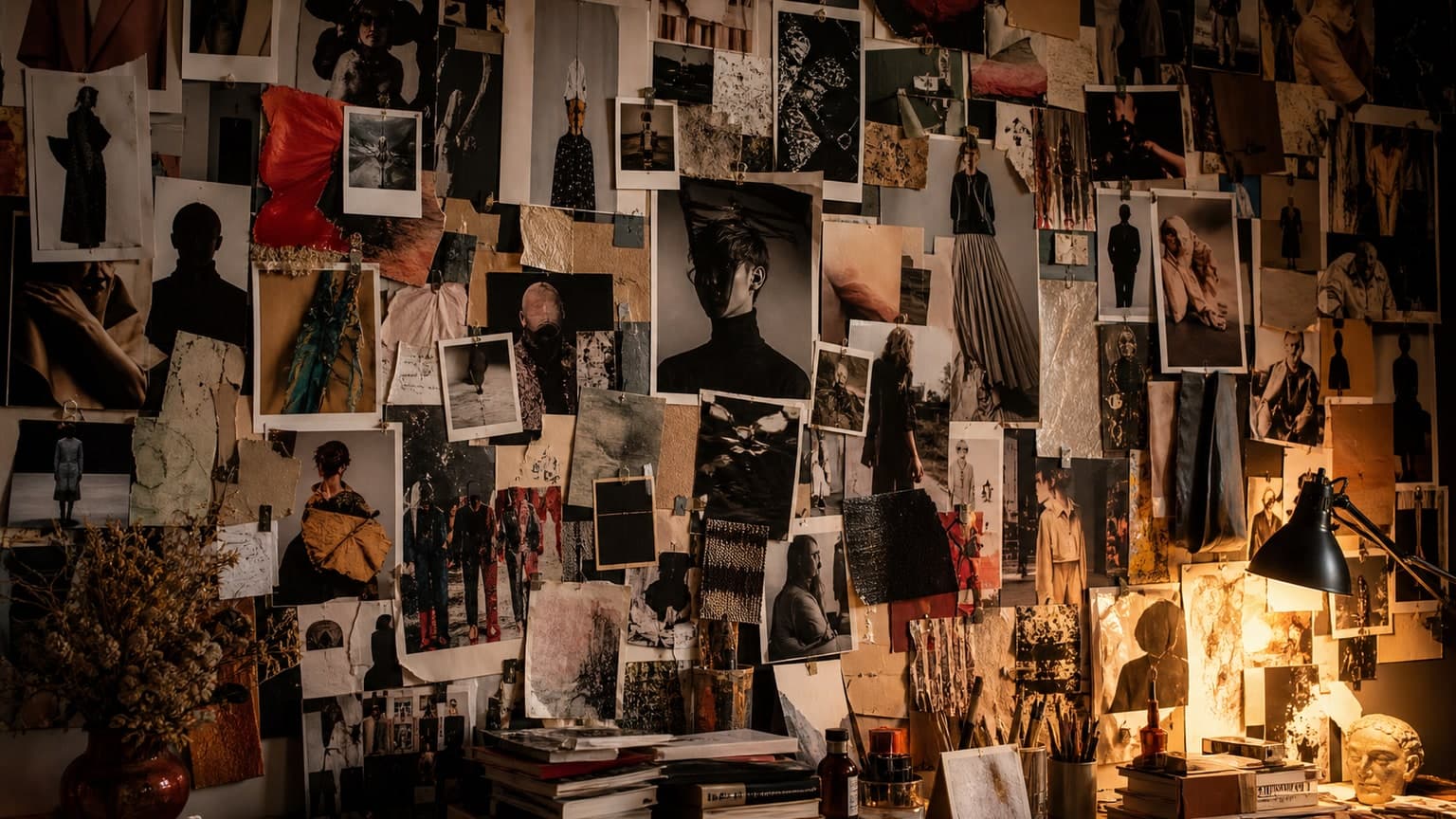
The defining fashion energy of the year is loud individuality and DIY: people cutting, sewing, and customizing again, treating thrift stores as goldmines and reworking garments as an act of self-definition. The most-cited line about the moment is that 2026 "feels like the year people finally stopped caring about chasing trends." The whole subculture revival is, at its heart, a rejection of the -core logic: people choosing to own "their taste, their references, their tribe, rather than following a new label or 'core.'"
You can see the same instinct in the punk design backlash against AI-perfect imagery, in the gorpcore-to-quiet-luxury drift away from loud legible branding, in the creator economy's pivot from chasing audiences to building communities. Different corners of the culture, identical reflex: a refusal to let an external system dictate who you are and what you like.
This isn't an accident of the trend cycle. It's an immune response. We got a generation that grew up entirely inside the algorithm's identity-vending-machine, and a critical mass of them have decided they'd rather build something than be assigned something.
Taste is the thing the algorithm can't sell you
Here's the distinction that matters, and the hill I'll defend: there's a difference between style and taste, and the -core was always selling the first while pretending to offer the second.
Style is a look you can adopt. Taste is a sensibility you develop: the slow accumulation of references, instincts, and preferences that are actually yours because you earned them by paying attention. Taste can't be hauled. It can't be summarized in a fifteen-second video. It doesn't expire in three weeks, because it isn't a costume. It's a point of view. And crucially, it doesn't make anyone money on a predictable cycle, which is precisely why the content machine had no use for it and trained us to forget it existed.
The DIY surge is the purest expression of taste reasserting itself over style. When you distress your own denim, paint your own sneakers, or rework a thrifted dress into something only you own, you're doing something the -core could never offer: making a choice that's genuinely yours, that no recommendation engine handed you, that no one else can buy in the same six items. As the people doing it keep saying, it's about reclaiming control, and control over your own self-presentation is the one luxury the algorithm spent five years quietly confiscating.
What to do with the freedom
So here's the modest proposal, stated plainly. Stop asking what your aesthetic is. Start noticing what you actually like, and why, and where it came from. Build a sensibility instead of subscribing to one. Keep the references that mean something to you and ignore the ones the feed insists are mandatory this week. Wear the thing that's yours even when it doesn't photograph as a clean identity.
This is harder than having a -core. A -core is comfortable; it does the thinking for you. Taste requires that you pay attention, take risks, get it wrong sometimes, and live with the unglamorous fact that nobody can hand you a personality. But the payoff is the only kind of style that lasts: one that doesn't expire when the algorithm gets bored.
2026 didn't kill the aesthetic-of-the-week because we got better at fashion. It killed it because a generation finally got tired of renting their identity by the month. The machine is broken. Don't fix it. Go have some taste instead.