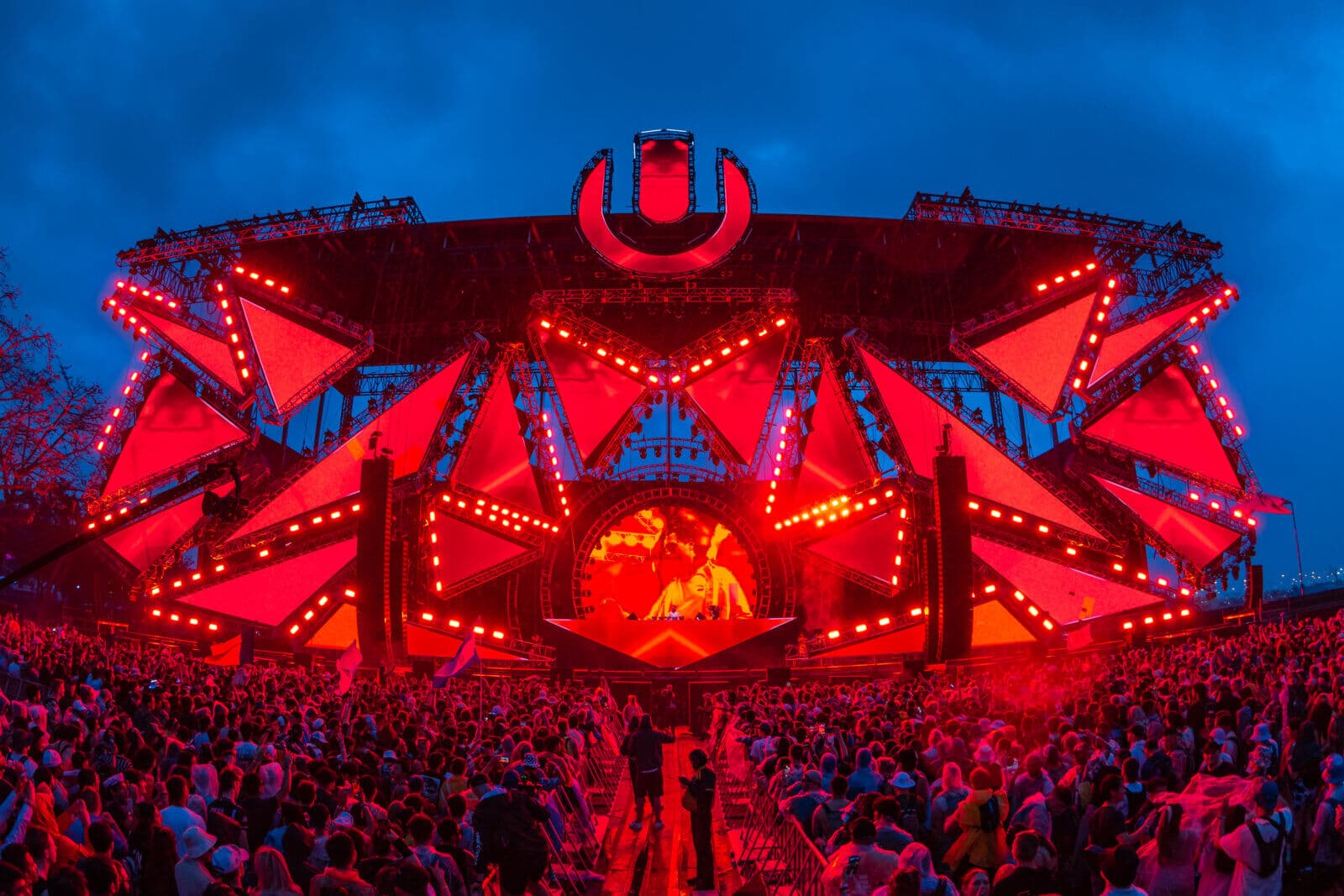
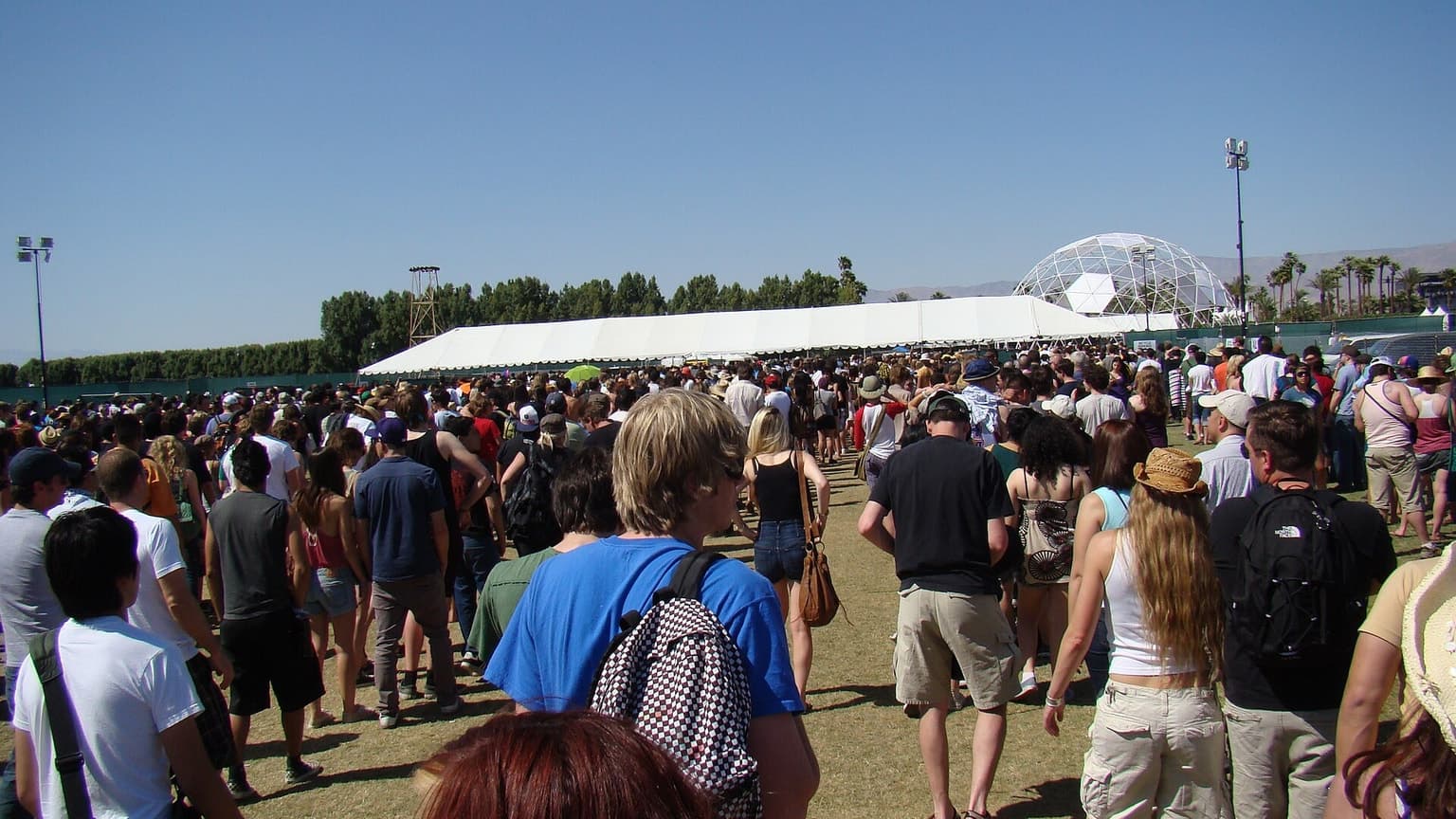
Coachella 2026 ran April 10–19 at the Empire Polo Club in Indio, and it sold out within a week of the lineup announcement, a reminder that, whatever you think of its place in the culture, the festival can still move tickets faster than almost anything else in live music. But ticket velocity isn't the story. The story is what a 130-plus artist bill says about where music sits in mid-2026.
The headliners: pop's reigning class
The top of the poster belonged to Sabrina Carpenter, Justin Bieber and Karol G, a trio that maps neatly onto the current pop power structure. Carpenter as the breakout-turned-juggernaut, Bieber as the returning veteran, Karol G as the global force whose reach makes "crossover" feel like an outdated word. It's a headliner slate built for maximum scale and a worldwide audience, and it did exactly what it was supposed to: sell the festival out in days.
That's the obvious read. The more interesting one is what sat below them.
The depth chart told the real story
Coachella's identity has always lived in the undercard, and 2026's was genuinely loaded. The bill stacked David Byrne, The Strokes, Young Thug, The xx, Iggy Pop, Ethel Cain, Interpol, Alex G, Turnstile, Dijon, Laufey, Wet Leg, FKA Twigs, Clipse and Disclosure, among many others. Read that list again. It spans punk legends, indie royalty, hardcore crossover, hyper-online songwriters and rap heavyweights, a curatorial spread that refuses to pick a single lane.
That breadth is the point. In a fragmented 2026 where genre lines barely hold, a festival's job is to be a map of the whole landscape at once. Coachella 2026's lineup was less a ranked hierarchy than a survey of every scene worth knowing.
Clipse, both weekends, as a statement
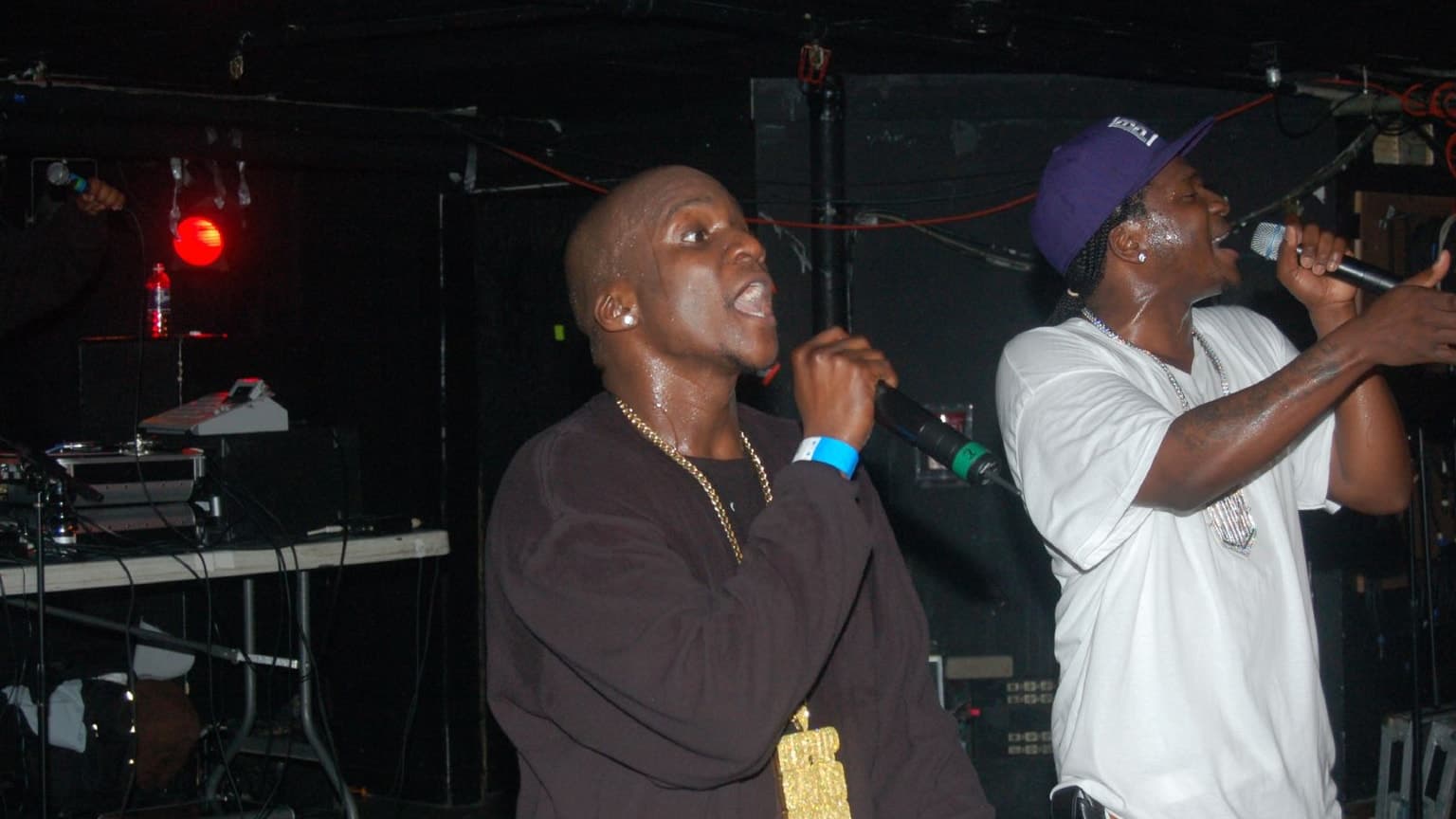
The set that carried the most cultural weight came from Clipse, who played both Weekend 1 and Weekend 2. Fresh off the all-Pharrell-produced "Let God Sort Em Out" and a touring run that stretched across late 2025 into 2026, Pusha T and Malice brought a craft-first rap show to a desert crowd that skews young and pop-leaning. Putting a reunited veteran duo in front of that audience, twice, was a bet on substance, and it paid off as one of the festival's defining moments.
It also closed a loop. Clipse's December 2025 Brooklyn date was billed as the final headline show of their tour before the Coachella appearances. The desert wasn't an afterthought; it was the exclamation point on a comeback year.
The hip-hop and R&B corner
Beyond Clipse, the rap and R&B presence had teeth: Young Thug, PinkPantheress and Sexyy Red were among the most anticipated acts in that space. Young Thug's appearance carried obvious narrative weight given the years leading up to it; PinkPantheress continued her run as one of the most quietly influential artists of the decade, blending pop, garage and internet-native production; Sexyy Red brought the unfiltered energy that's made her a festival favorite. Together they covered the spectrum from confessional to chaotic.
The festival landscape around it
Coachella doesn't exist in a vacuum, and 2026's festival calendar around it was rich. Governors Ball returned to Flushing Meadows in early June with A$AP Rocky, Baby Keem and Kali Uchis leading. Bonnaroo loaded its bill with Vince Staples, Clipse, Smino and Lil Jon. Primavera Sound in Barcelona lined up Doja Cat, PinkPantheress and Little Simz. The throughline: hip-hop, R&B and a genre-agnostic indie spread are the connective tissue of the 2026 festival season, with the same handful of acts (Clipse, PinkPantheress) popping up as the year's true circuit MVPs.
What it means for live music in 2026
The sold-in-a-week headline matters because it cuts against a tired narrative. Festival fatigue is real; cancellations and shrinking budgets have hit the wider circuit. Yet Coachella's instant sellout suggests that a strong-enough, broad-enough lineup still commands obsessive demand. The lesson isn't that festivals are healthy across the board. It's that curation, scale and a genuinely diverse bill remain the difference between selling out and folding.
It also underlines live music's role as the economic engine of the modern industry. With streaming revenue plateauing and platforms flooding with AI uploads, the festival stage is where artists and the business actually capture value, and where fans, increasingly, want to be physically present rather than passively scrolling. The desert wasn't just a party. It was a referendum on what people will still pay to show up for.
The takeaway
Coachella 2026 will be remembered for its headliners by the casual crowd and for its depth by everyone who actually pays attention. The pop trio sold the tickets. Clipse, Young Thug, Turnstile, FKA Twigs and a sprawling alt roster sold the idea that, in a fractured year, the best festival is the one brave enough to hold every scene at once. For mid-2026, that breadth is the whole game.