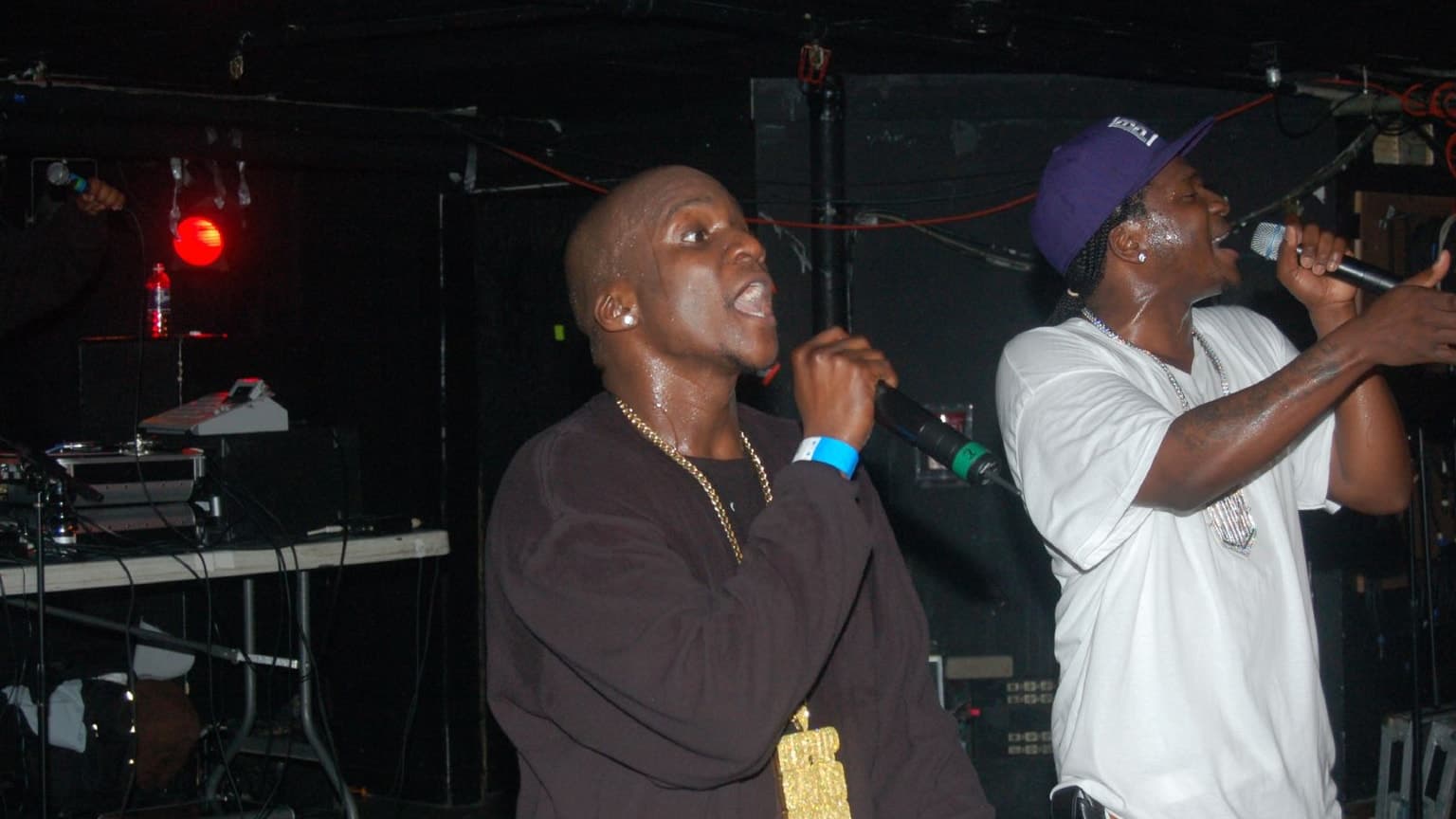
When Clipse went quiet in 2009, the assumption was that the door had closed. Brothers Pusha T and Gene "Malice" Thornton (now No Malice) had taken divergent paths: one became one of the sharpest lyricists in commercial rap, the other stepped back into faith and family. Sixteen years is a long time in a culture that forgets last month. So when "Let God Sort Em Out" arrived on July 11, 2025, the bar wasn't just "good for a reunion." It had to justify the wait. It did. And in 2026, the victory lap is still running.
A reunion that refused to coast
The easy version of this album would have been a nostalgia play: a couple of coke-rap throwbacks, a legacy single, a tour built on the hits. Clipse went the other way. Entirely produced by Pharrell Williams, "Let God Sort Em Out" reconnected the duo with the architect of their early Neptunes-era sound and pushed it somewhere harder and more bruised. The production is skeletal where it needs to be and grandiose when it counts, leaving acres of space for two of the most precise pens in the genre.
The feature list reads like a who's-who of rap's upper tier: Kendrick Lamar, Nas, Tyler, the Creator, John Legend, Stove God Cooks, The-Dream, and the gospel ensemble Voices of Fire. None of it feels like a flex for flex's sake. The guests orbit the record's central tension (sin and consequence, the street and the pulpit), which is the same tension that made Clipse compelling two decades ago, now aged into something heavier.
Coke raps, confessions and the weight of getting older
What separates this from a standard comeback is the emotional register. Pusha is still the cold technician, stacking luxury imagery and threats with surgical timing. But Malice's return changes the chemistry entirely. His verses carry the residue of the years away: confession, doubt, the friction between who he was and who he became. The album doesn't resolve that friction so much as let it sit there, uncomfortable and human.
That's why the record landed with critics and the culture at the same time, a rare double. It wasn't graded on a curve. It competed with everything else in 2025 and 2026 on merit, and the duo has been loudly calling it the rap album of the year at shows, a claim that sounds less like bravado than a dare once you've heard it.
The tour that won't end
A great album can fade fast. Clipse didn't let it. The "Let God Sort Em Out" Tour stretched across late 2025 and into 2026, including an emotional two-night homecoming at The Dome in Virginia Beach in December and a string of international dates: Hamburg, Munich, Manchester, Zurich, Montreal, Gothenburg, Amsterdam and more. For a duo that could have phoned in a handful of festival sets, the commitment to a full touring cycle signaled that this wasn't a one-off cash-in.
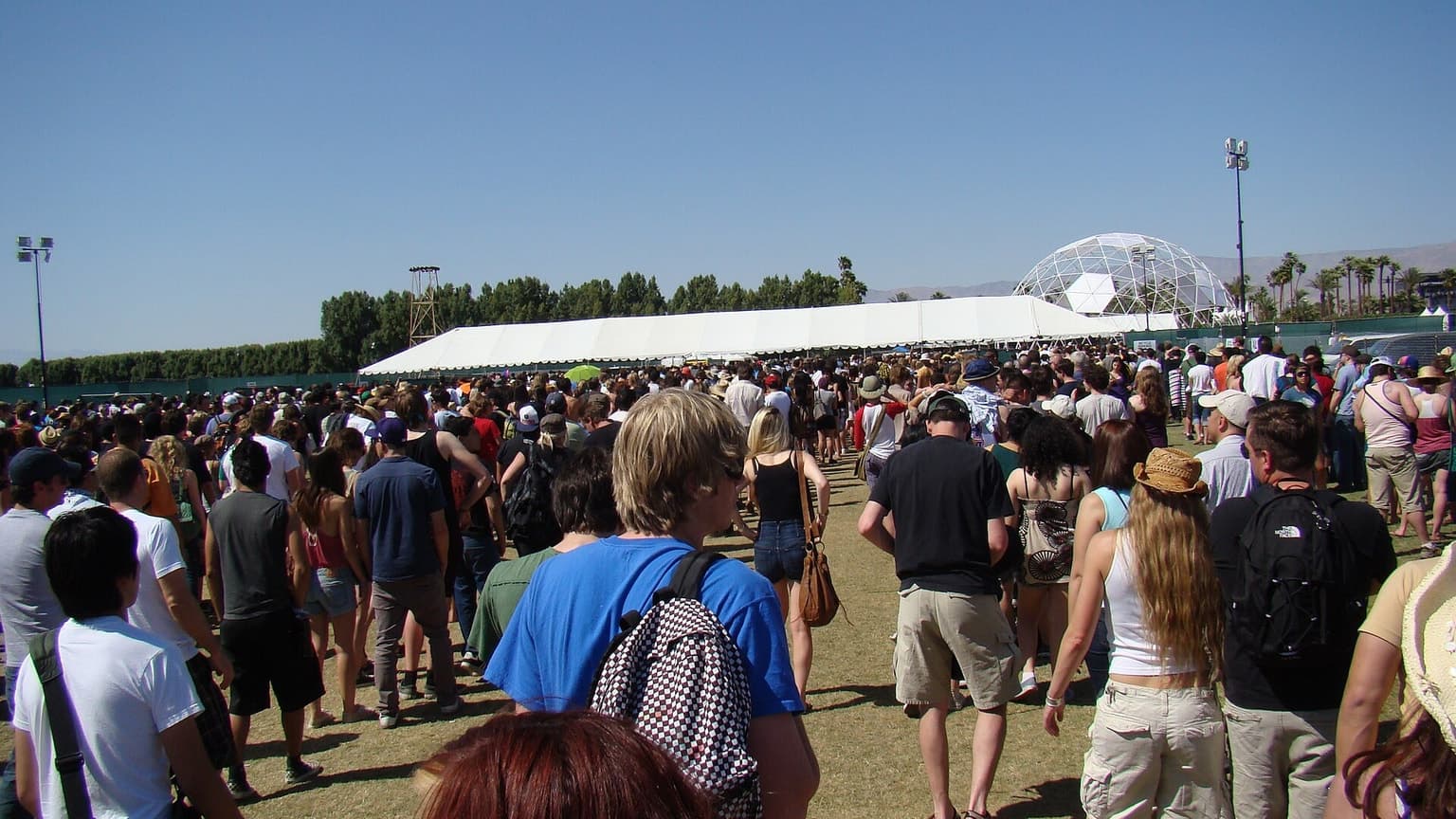
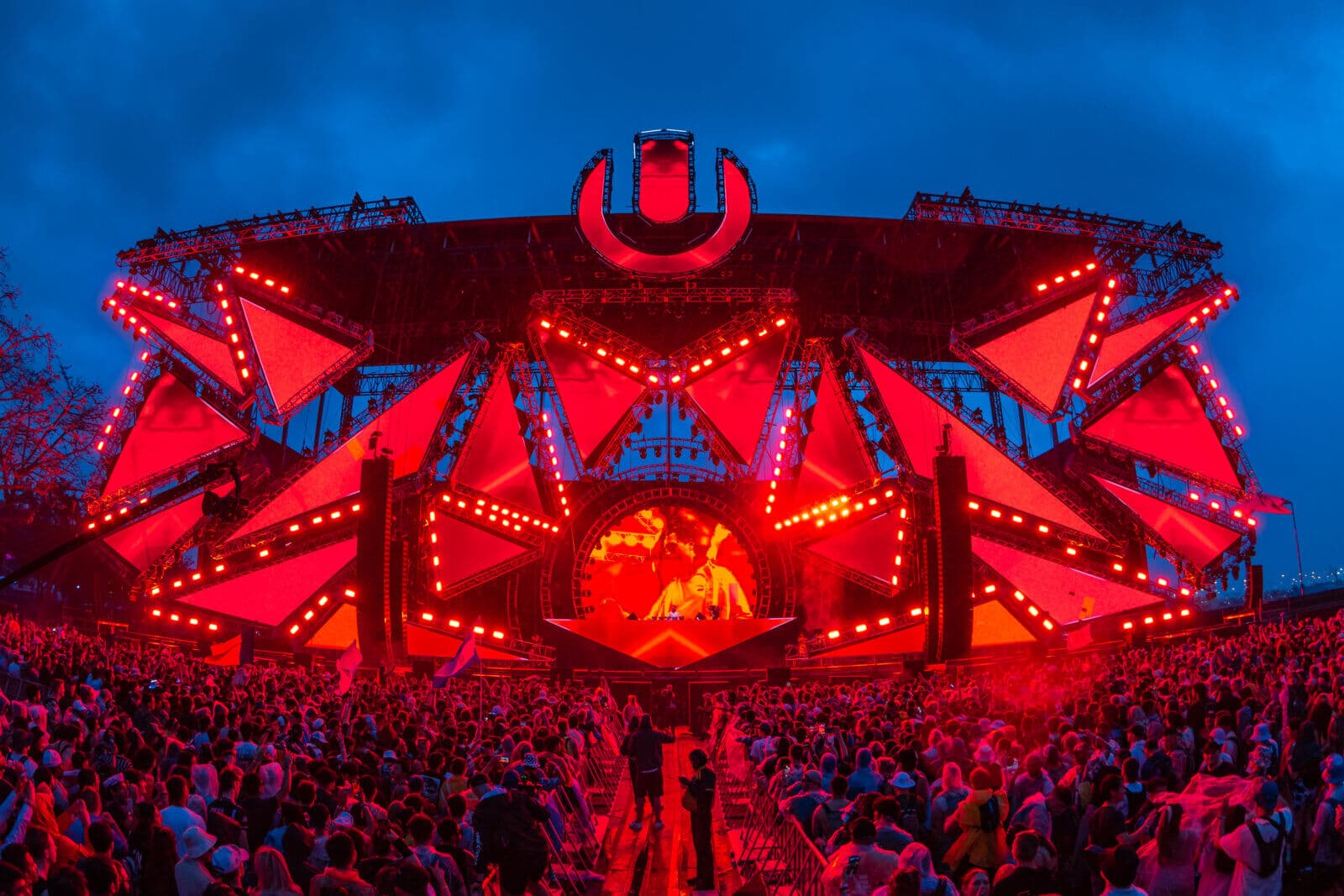
The exclamation point came at Coachella 2026, where Clipse performed both Weekend 1 (April 10–12) and Weekend 2 (April 17–19) at the Empire Polo Field in Indio. Slotting in among a 130-plus artist bill alongside Justin Bieber, Sabrina Carpenter, Karol G, Young Thug and a deep alternative roster, Clipse's sets were a generational statement, proof that the duo could command a sun-baked desert crowd that wasn't even buying CDs when "Hell Hath No Fury" dropped.
Why it resonates in 2026
There's a context that makes Clipse's return feel especially pointed right now. Streaming has flattened a lot of rap into mood-music playlists, and AI-generated tracks are flooding platforms by the tens of thousands per day. Against that backdrop, an album defined entirely by craft (two brothers, one producer, no filler, every bar load-bearing) reads almost like a thesis statement. This is music that could only be made by these specific people, with these specific histories. It's the opposite of disposable.
It also models a version of the reunion that the culture rarely gets right. Most legacy acts return to relive a moment. Clipse returned to add to a body of work, and in interviews they've made clear it won't be another 16 years before the next project. That's a meaningful promise. The album wasn't a tombstone for a classic era; it was a continuation.
The takeaway
"Let God Sort Em Out" works because it never asks for grace. It doesn't lean on the legend of Clipse to carry weak material. It earns the legend back, song by song, then takes it on the road to prove the studio wasn't a fluke. For a duo that spent more than a decade apart, that's the hardest thing to pull off, and the most satisfying.
In a year crowded with major rap releases, the loudest statement came from two brothers who had nothing left to prove and decided to prove it anyway. The wait was long. The payoff was longer. And as the 2026 dates keep rolling, the victory lap is starting to look less like a closing chapter and more like a second act.