There was a time when a car-brand clothing line meant a polyester polo with an embroidered logo, sold to dads at the dealership. That era is dead. In 2026, the intersection of cars and fashion is one of the most fertile zones in culture, a place where streetwear's drop mechanics, automotive heritage and youth obsession collide to produce objects that sell out in minutes and resell for multiples. The collab graduated from gimmick to genre. Here's the map.
Kith proved the model
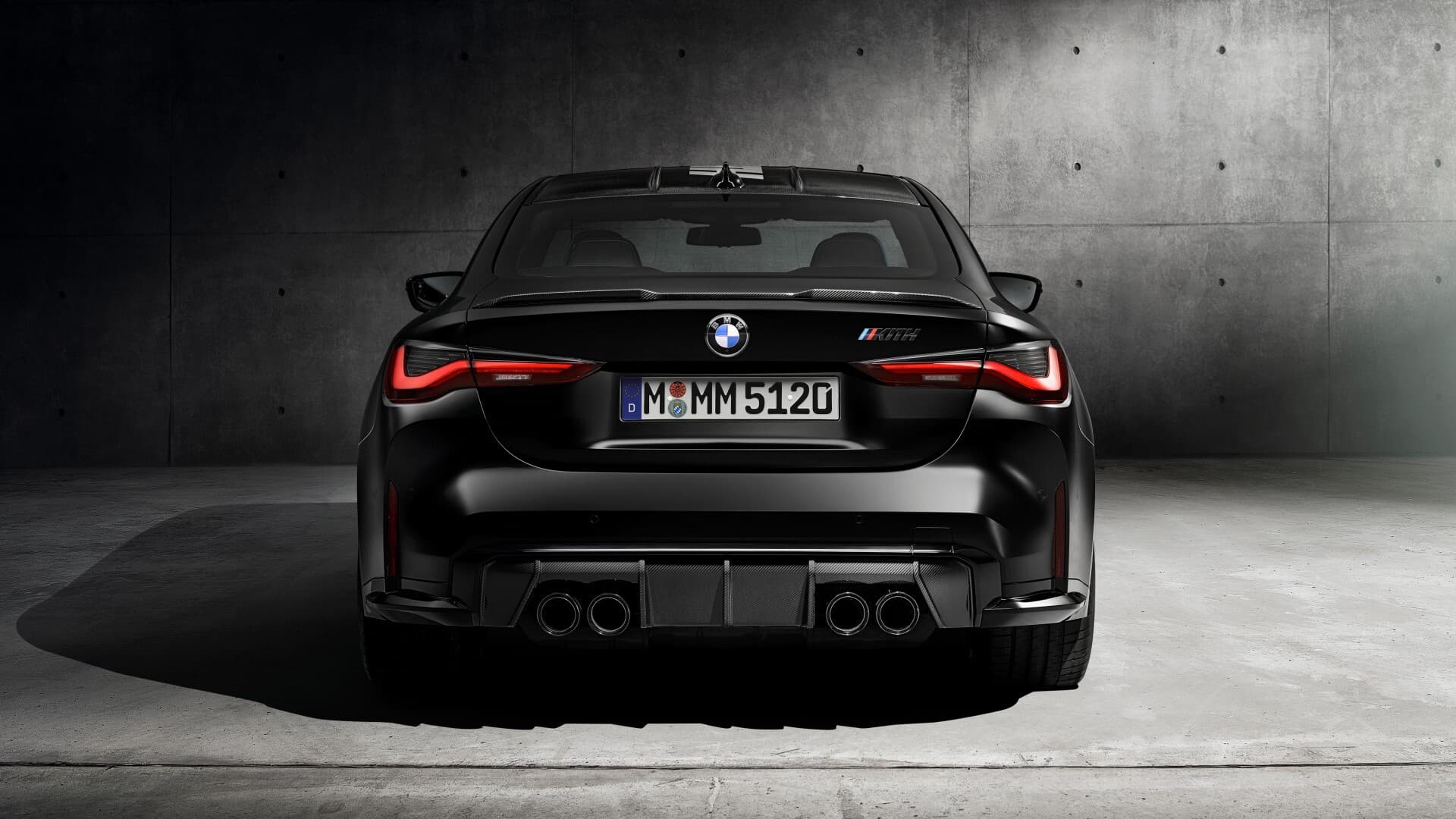
The pivotal case study is Kith. Ronnie Fieg's brand spent 2025 cementing itself as the streetwear label that does automotive crossover better than anyone, culminating in a partnership with BMW that produced a limited-edition XM (capped at just 150 units) alongside a full apparel collection. The car wasn't a sticker pack; it translated Kith's restrained, heritage-literate design language onto BMW's most polarizing model, with exclusive exterior treatments and badging.
What made it work is that Kith didn't behave like a licensee. It behaved like a co-author. The brand has spent years proving it can scale into a full lifestyle ecosystem (footwear, apparel, retail concepts, food) without diluting its identity, and 2025 saw its press coverage hit an all-time high precisely because of high-profile automotive and heritage partnerships. The lesson: a streetwear brand with enough cultural equity can sit across the table from a German automaker as an equal, not a vendor.
The roots: ALD, Abloh, Fujiwara
Kith didn't invent this. The modern wave traces back to around 2020, when Aimé Leon Dore kicked off the streetwear-car-collab trend in earnest, and to a lineage of designer crossovers that established the playbook. Virgil Abloh's work with Mercedes-Maybach turned a car into an art object. Hiroshi Fujiwara, the godfather of Japanese streetwear, created a Maserati clothing range, importing the precise, understated aesthetic that made Fragment Design legendary.
And then there's Palace x Mercedes-AMG, one of the most complete examples of the format: not just a clothing range, but four special-edition cars, fusing the skate brand's irreverence with AMG's motorsport seriousness. That breadth (apparel and hardware, culture and engineering) is now the gold standard. A T-shirt is a gimmick. A T-shirt plus a homologated special edition is a statement.
2026's new energy: built by car people
The most interesting development isn't a legacy brand reaching for cool. It's car culture generating its own fashion from the inside. The clearest example is BADSEKI, a streetwear label launched in February 2026 by professional drift racer Sara Choi. The brand's whole thesis is authenticity: durable, functional pieces designed around real car-culture details rather than costume-y motorsport cosplay, with motifs like a 10mm hex-nut graphic and pricing in an accessible $50–$110 band.
Crucially, BADSEKI debuted at Tokyo Auto Salon 2026, with a public showing at Openbase Shibuya timed to Japan's biggest tuning event and collaborators reportedly lending Porsches for display. That's the tell. This isn't a fashion brand borrowing automotive imagery; it's a racer building apparel for the people already in the paddock, with the show floor as the runway. The credibility flows the right direction: from the track outward.
Why cars and streetwear fit so well
The compatibility isn't a coincidence. Both worlds run on the same fuel: scarcity, drops, community, and the deep human urge to signal taste through objects. A limited car run and a limited sneaker drop operate on identical psychology: controlled supply, hype windows, resale markets, in-group knowledge that separates the real ones from the tourists.
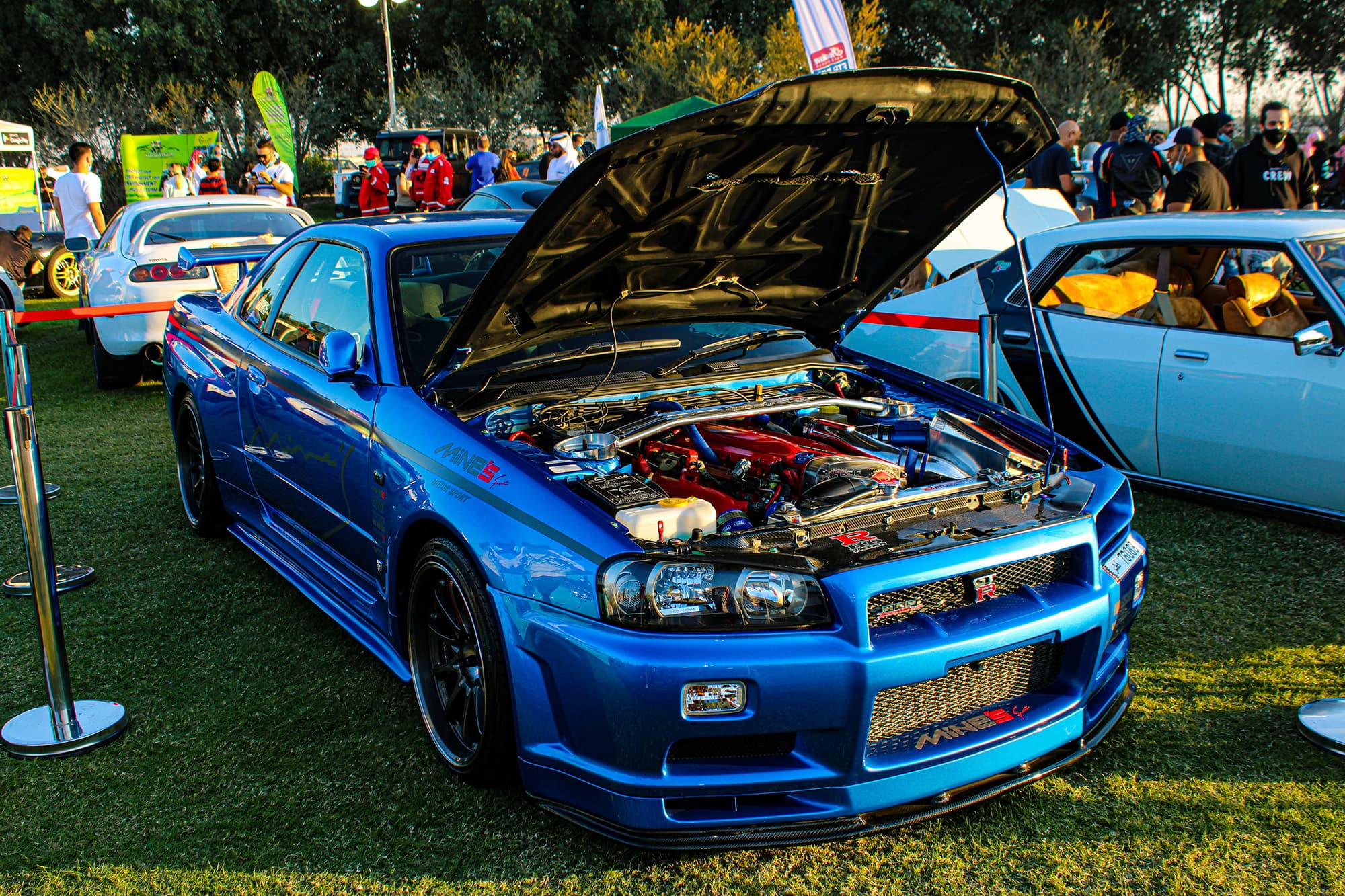
There's also a shared aesthetic vocabulary. Technical fabrics echo motorsport fireproofs. Hardware details (hex nuts, harness buckles, livery stripes) read as "function-first" the same way a good techwear jacket does. And both scenes prize heritage and lineage: knowing why an R34 matters is the same flex as knowing why a particular sneaker silhouette matters. The collab works because the audiences were already the same people.
The risk: dilution
The danger, as always, is saturation. When every automaker rushes to slap a logo on a hoodie and call it a collaboration, the format loses meaning: the polyester-polo problem in a more expensive disguise. The collabs that endure are the ones with genuine design authorship (Kith, Fujiwara), real hardware stakes (Palace x AMG's special editions), or insider authenticity (BADSEKI's drift-paddock credibility). The ones that fail are the ones treating "car + fashion" as a marketing checkbox.
The market is already sophisticated enough to tell the difference. A 150-unit Kith XM is a grail. A generic team-merch drop is dead stock.
The takeaway
In 2026 the car-fashion collab has fully matured into its own ecosystem, with three distinct tiers: the heritage-design crossover (Kith x BMW, Fujiwara x Maserati), the full-stack apparel-plus-hardware partnership (Palace x AMG), and the new, most exciting category: fashion built by car people, like drifter Sara Choi's BADSEKI launching straight off the Tokyo Auto Salon floor.
The throughline is authenticity. The scenes merged because they always shared the same DNA: scarcity, community, heritage and the love of a beautifully engineered object. The brands that respect that (the ones treating the crossover as co-authorship rather than co-branding) are making some of the most coveted objects in culture. The rest are just making polos. Better ones, sure. But polos.