The handheld PC went from novelty to mainstream faster than almost any category in modern gaming. What started as Valve's gamble has become a full-blown arms race, with the portable gaming hardware market climbing past $14 billion in 2026. The good news: the field is deeper than ever. The bad news: choosing is harder than ever.
We've sorted through the contenders so you don't have to. Here's how the 2026 lineup actually shakes out.
1. Steam Deck OLED: the one most people should buy
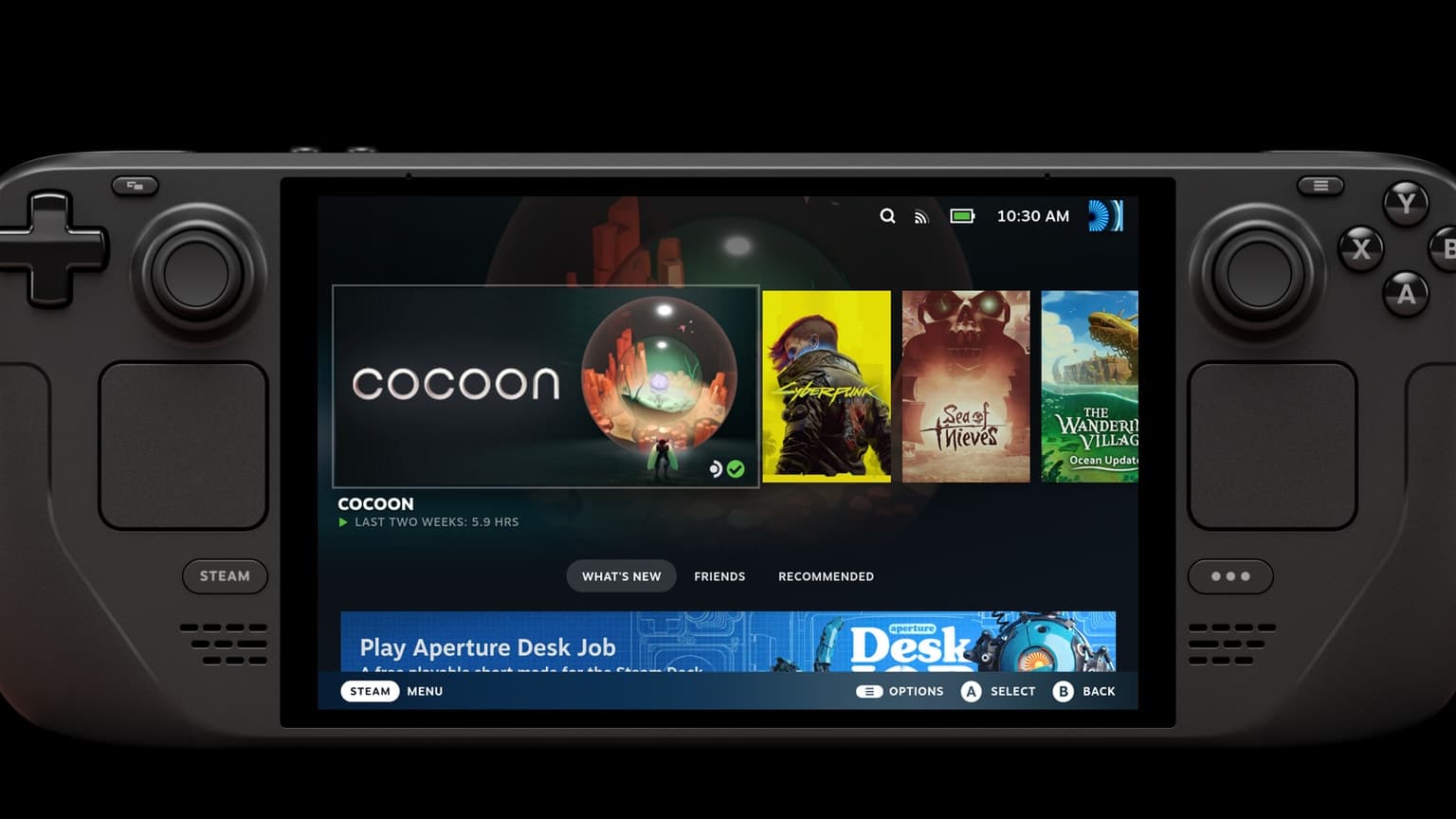
Valve still owns the conversation, and it isn't close. The Steam Deck OLED remains the best handheld gaming PC for the majority of players in 2026, and the reason is balance. The OLED panel delivers deep blacks and punchy color, battery life is genuinely usable, the ergonomics are dialed, and SteamOS is the most polished, least frustrating handheld operating system on the market.
It's also the value pick, starting around $549, cheaper than most of its newer rivals while doing the fundamentals better. If you live inside the Steam ecosystem and own a sprawling library, this is the path of least resistance and maximum payoff. Note that the older LCD Steam Deck has been phased out of sale, so the OLED is the model to target.
2. ROG Xbox Ally X: the performance flagship
If you want the fastest chip in a handheld and you need Windows, the ASUS ROG Xbox Ally X is the device to beat. At $999.99, it's the premium end of the category, built around the Ryzen AI Z2 Extreme processor with an RDNA 3.5-based GPU. Translation: this is the handheld for chasing 1080p at 60fps in demanding titles.
The trade-off is the usual one: push that silicon and battery life takes a hit. The Xbox-flavored interface and Windows backbone mean you get the broadest possible game-store access (Steam, Xbox/Game Pass, Epic, the lot), but Windows on a handheld still asks more patience than SteamOS. Buy this if frame rate is your religion and you're willing to manage the rough edges.
3. Lenovo Legion Go S (SteamOS): comfort king
Lenovo made a smart move putting SteamOS on the Legion Go S, and the result is one of the most comfortable big-screen handhelds you can hold. The 8-inch display is generous, the grips are genuinely ergonomic for longer sessions, and Valve's lightweight, gaming-first OS sidesteps the Windows headaches that plague some competitors.
This is the pick for players who prioritize hold-it-all-evening comfort and screen real estate over chasing the absolute highest frame rates. It slots neatly between the Deck's value and the Ally X's raw power.
The rest of the field
The category is crowded enough that several other devices are worth knowing:
- MSI Claw 8 AI+: MSI's Intel-based push has matured into a credible Windows option with a big screen, for buyers who want an alternative to the ASUS/Lenovo Windows axis.
- Lenovo Legion Go 2: the larger, more powerful sibling to the Go S, aimed at people who want maximum hardware and don't mind the bulk.
- Nintendo Switch 2: technically a different animal (it's a console, not a PC), but with 17 million units sold by the end of 2025 it's the elephant in every handheld conversation. If you want first-party Nintendo magic and a curated library rather than an open PC platform, it's in its own lane entirely.
How to actually choose
Forget the spec-sheet arms race for a second. The real decision comes down to three questions.
What's your library?
If your games live on Steam, the Deck OLED or Legion Go S (both SteamOS) will feel native and frictionless. If you're deep in Game Pass or want every storefront under one roof, the Windows-based ROG Xbox Ally X earns its keep.
Performance or battery?
You can't fully have both. The Ally X chases the highest frame rates and pays for it in runtime. The Steam Deck OLED leans toward efficiency and all-day comfort. Be honest about whether you're playing on a couch near an outlet or on a six-hour flight.
Comfort or portability?
Bigger screens (Legion Go S, Legion Go 2) are gorgeous but heavier in the hand over long sessions for some players. The Deck's form factor remains a benchmark for sustained comfort. Hold one before you commit if you possibly can.
The verdict
For most people, the Steam Deck OLED is still the answer: it's the best blend of price, polish, and pleasure, full stop. Choose the ROG Xbox Ally X if you're a performance maximalist who needs Windows, and the Legion Go S if a big, comfortable SteamOS device is your priority.
The bigger story is that there are no bad choices left. A few years ago, the handheld PC was a curiosity for tinkerers. In 2026, it's a mature category where the "worst" option is still a remarkable little machine. The hardest part isn't finding a good handheld anymore. It's picking which kind of great you want.