The call is coming from inside the feed
There's a tell in the 2026 film slate that says everything about where culture lives now: the most anticipated horror movie of the year is being directed by a kid who made his name on YouTube, adapting a creepypasta that was born on a forum.
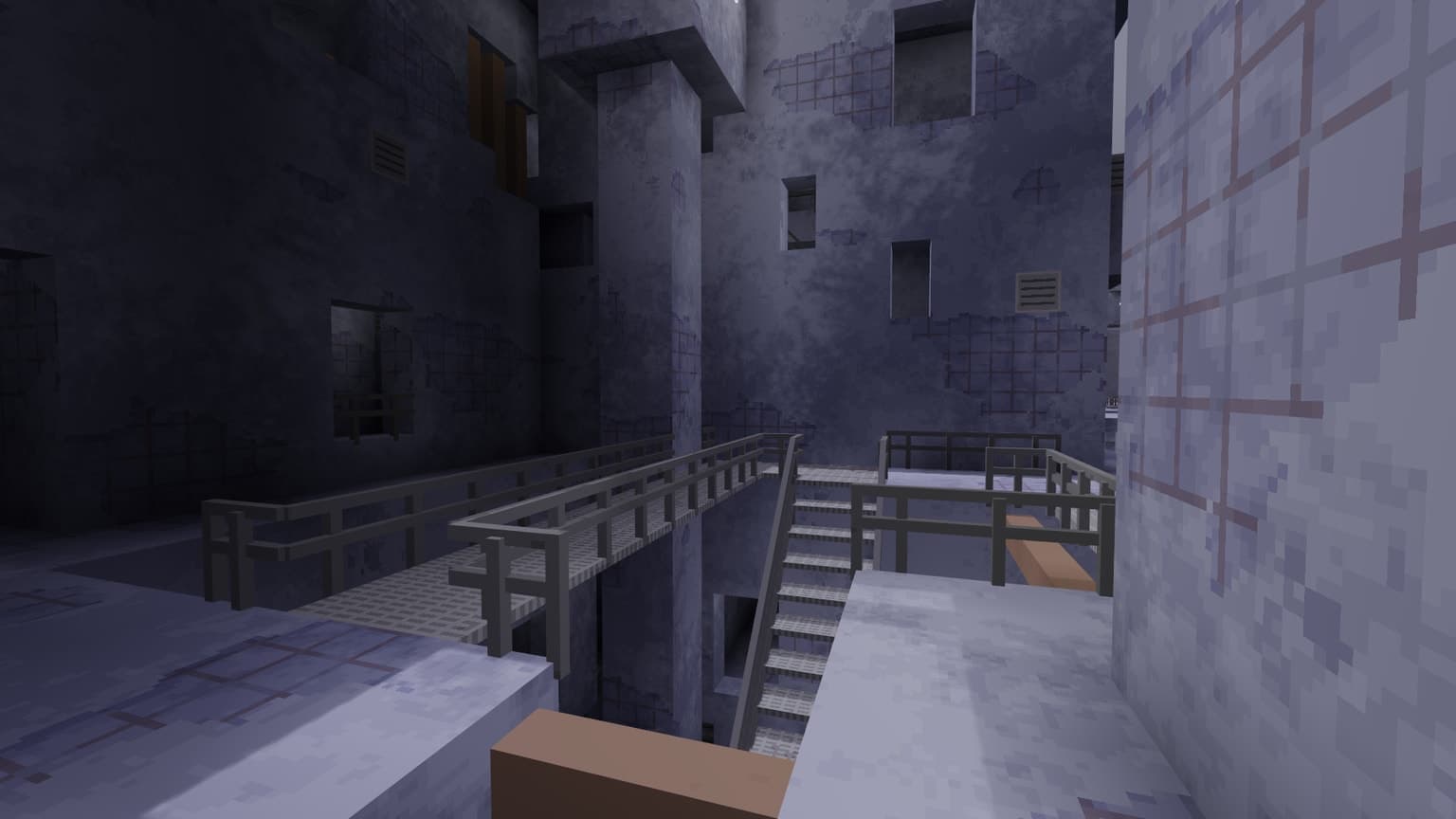
A24's Backrooms, a feature adaptation of the viral liminal-space mythology, is helmed by Kane Parsons, the YouTube creator whose homemade short films built the Backrooms canon in the first place. The film reportedly stars Renate Reinsve as a therapist who ventures into the eerie, infinite, yellow-walled dimension chasing a missing patient played by Chiwetel Ejiofor. Sit with that lineage for a second. An internet meme about haunted office carpet, written collaboratively by anonymous posters, scaled into a Sundance-pedigree art-horror studio's prestige release. The pipeline from forum to feature has never been shorter.
This is the story of 2026 at the movies. The screen isn't competing with the internet anymore. It's adapting it.
A24's loud, weird year
A24 has spent a decade as the patron saint of the extremely online cinephile, and its 2026 lineup reads like a timeline come to life.
The Drama pairs Zendaya and Robert Pattinson as a couple whose wedding week comes apart, exactly the kind of beautiful-people-in-crisis premise that generates a thousand reaction edits before it even screens. Mother Mary is a thriller about a pop star in an identity crisis seeking out a legendary fashion designer (played by Michaela Coel), which is to say it's a movie about celebrity built for an audience fluent in celebrity. And The Death of Robin Hood loads Hugh Jackman, Jodie Comer, Murray Bartlett, and Bill Skarsgård into a revisionist swing at the folk hero.
The connective tissue isn't genre. It's sensibility. These are films engineered to be posted about: discourse-ready, screenshot-friendly, designed to detonate across the same feeds that increasingly function as the only marketing that matters.
When the pop star plays the pop star
The most on-the-nose entry might be Charli xcx's The Moment, billed as a meta look at the life of a pop star. After Brat turned a lowercase album title and a slime-green square into a 2024 cultural operating system ("brat summer" became shorthand for an entire mood, name-checked all the way up to a US presidential campaign), Charli making a self-aware film about pop stardom isn't a vanity project. It's a thesis statement.
It also captures something specific about this generation of pop. The Brat-era holy trinity of Charli, Sabrina Carpenter, and Chappell Roan succeeded by taking the supposedly shallow machinery of pop (club culture, lingerie, drag, persona) and reconstructing it into something self-aware and load-bearing. A film about being a pop star, made by one of the architects of that self-awareness, is the logical next move. The performance of celebrity has become the text, not the subtext.
The nostalgia-industrial complex, still humming
Of course, not everything is internet-native. The franchise machine is still very much running, and 2026 proves it.
The Devil Wears Prada 2 has been pitched as the fashion event of the year, reuniting Meryl Streep, Anne Hathaway, Emily Blunt, and Stanley Tucci in Runway's corridors. Spider-Noir hands Nicolas Cage his first starring TV role as a 1930s noir Spider-Man. Steven Spielberg has reteamed with screenwriter David Koepp for a UFO sci-fi film with an A-list ensemble. The familiar IP keeps generating its predictable gravity.
But notice how even the legacy properties get metabolized now: through fancasts, costume breakdowns, frame-by-frame trailer analysis, and the relentless meme machine. A sequel to a 2006 fashion comedy lands in 2026 not as a movie so much as a content event, a thing to react to, remix, and rank. The film is the seed; the discourse is the crop.
The feed eats the screen, and vice versa
Here's the loop that defines 2026 screen culture. The internet generates the raw material: the Backrooms, the pop personas, the nostalgia cycles, the discourse. The studios package it into film and television. And then those films and shows get fed right back into the internet, where they're chopped into clips, memed into oblivion, and argued about until the next thing drops.
It's worth noting this isn't only a big-studio phenomenon. One of the genuinely surprising pop-culture stories of the year has been the runaway, fandom-driven momentum around an unexpected streaming title that broke containment entirely on the strength of online obsession, proof that what the feed decides to love, the screen now has to reckon with.
The boundary between what we consume and what we create has gone properly blurry. We don't just watch movies in 2026. We watch the internet decide what the movies mean, and increasingly, the movies were the internet all along.