The Hype Bubble Burst: Inside the 2026 Sneaker Resale Reckoning
There was a moment, somewhere around 2020 and 2021, when sneakers felt like a legitimate asset class. People talked about "portfolios." Margins of 100% per pair were normal. A bot, a SNKRS account and a little patience could fund a side hustle. Sneakers were less a passion than a trade.
That era is over. And in 2026, the data makes it undeniable.
The headline numbers
Start with the figure that should sober up anyone still flipping for a living: in 2024, only 47% of sneaker releases traded above retail on StockX, down from 58% in 2020. More than half of all new releases now lose money on the secondary market the moment they drop. The easy flip is dead.
Margins tell the same story. Resellers who once cleared roughly 100% per pair during the pandemic boom were down to 10–25% per pair by 2024–2025. Once you factor in fees, shipping, dead stock and the time spent, a huge swathe of "resellers" are effectively working for free, or worse.
The resale market overall is still growing: the US secondary market was projected to hit around $6 billion by the end of 2025, with the global figure forecast to reach $30 billion by 2030. But growth in total volume is masking a brutal compression in per-pair profitability. The pie is bigger; the slices are thinner.
The GOAT tell
If you want the single clearest signal that the hype bubble has burst, look at what GOAT Group did in early 2026: it launched Sneakers.com, a discount marketplace explicitly built for everyday shoppers buying shoes to wear, not flip.
This is enormous. GOAT built its entire brand on hype, scarcity and authenticated grails. A discount arm aimed at value shoppers is a company reading the writing on the wall and pivoting toward the actual mass market. On Sneakers.com, an adidas Samba that retails around $100 can be had for $60. Some observers half-joked it's a recession indicator. Whether or not that's true, it's unmistakably a hype-deflation indicator.
The Samba and the cautionary tale
No shoe illustrates the cycle better than the adidas Samba. Between 2023 and 2024 it was inescapable, the terrace silhouette that crossed over into total mainstream ubiquity. Business of Fashion has pointed to its subsequent sales decline as a warning sign for the whole category.
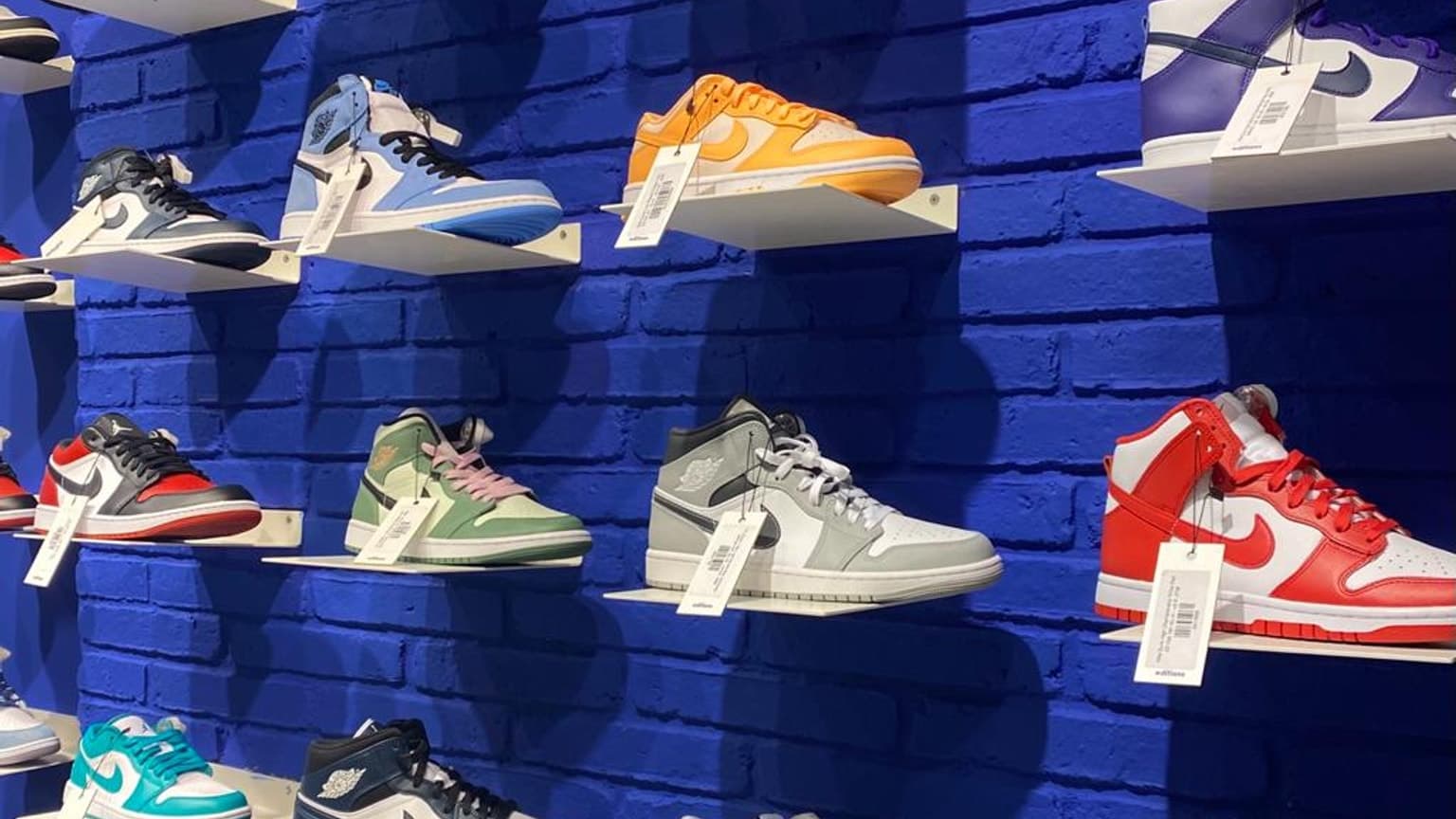
The lesson is the oldest one in hype: ubiquity kills desirability. When everyone has the shoe, no one wants the shoe. The same fate caught the "Panda" Dunk, which went from grail to the most over-produced sneaker of its generation. Oversaturation of Pandas and Sambas, sitting on shelves and discount sites, is exactly the writing-on-the-wall moment the resale community spent years pretending wouldn't come.
Where the money actually moved
Here's the twist: while hype franchises cooled, money flowed hard toward heritage running.
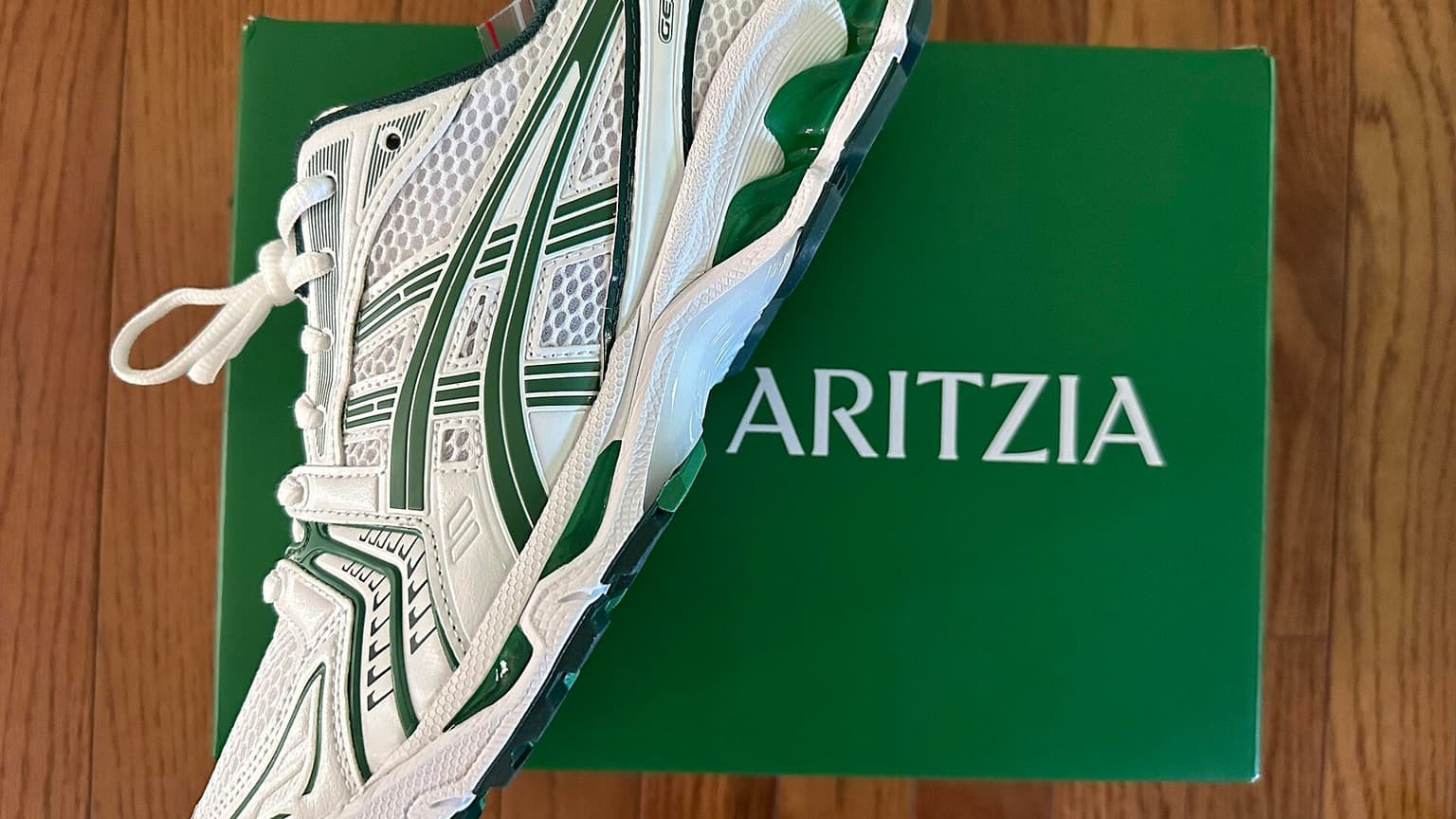
ASICS is the headline. It posted +589% year-over-year trade growth on StockX in H1 2024, followed by +71% in H1 2025, the platform's fastest-growing brand two years running. The GEL-1130 became StockX's best-selling sneaker in 2025.
Salomon returned as the #3 fastest-growing brand with +53% trade growth in H1 2025; the XT-6 saw secondary sales jump over 200% in a single year.
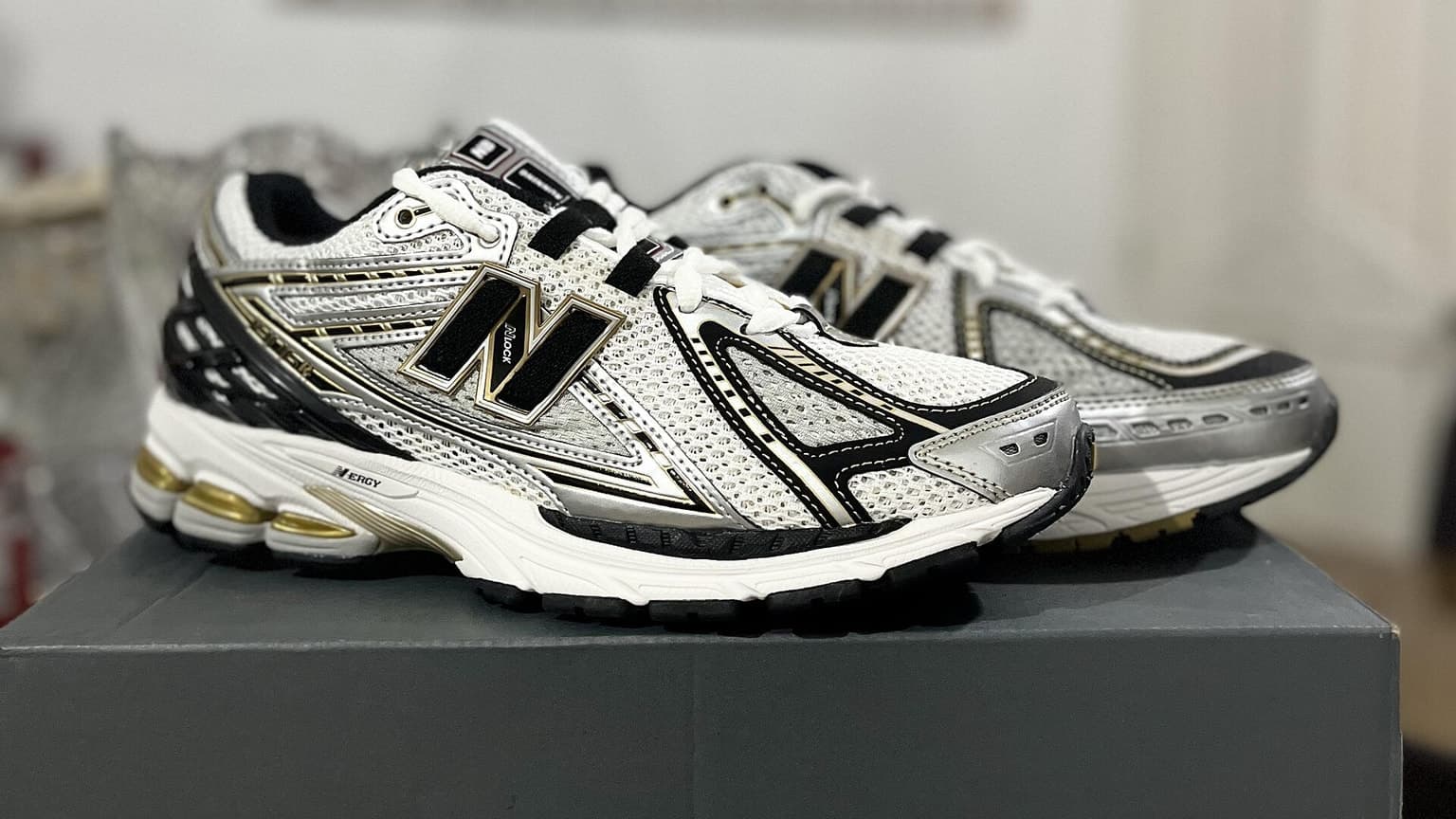
New Balance sits at #4 on StockX with sales up 15% year-over-year, powered by new silhouettes and collabs.
The pattern is clear. The market didn't collapse. It migrated. From artificial scarcity (limited Dunks, Travis hype) to genuine product (running shoes people actually want to wear). The shoes winning in 2026 win on merit, not manufactured rarity.
What it means for resellers
If you're flipping, the brutal truth: the game has professionalized and compressed simultaneously. The casual reseller who made bank in 2020 is competing against thinner margins, smarter retailers releasing in higher quantities to kill scarcity premiums, and a buyer base that's increasingly happy to buy below retail on platforms like Sneakers.com.
The pairs still commanding real premiums are the genuinely limited ones: the friends-and-family exclusives, the true grails, the collabs that sell out in seconds. Everything else is a coin flip at best, and the odds are now worse than even.
What it means for everyone else
Here's the good news, and it's substantial: this is the best buyer's market in a decade. If you wear your sneakers, 2026 is a gift. Heat that would've cost double retail in 2021 sits at or below retail now. Discount marketplaces are flush with quality product. The tyranny of the bot is loosening.
The cooling of resale is, fundamentally, the re-democratization of sneakers. Shoes are becoming things you buy to wear again, not assets you store in deadstock boxes. For the culture (the people who got into this because they love shoes), that's not a crash. It's a correction, and a healthy one.
The verdict
The hype bubble didn't pop in a single dramatic moment. It deflated steadily, release by release, as oversupply met cooling demand and the market remembered that sneakers are, at the end of the day, shoes. The flippers are hurting. The wearers have never had it better. And the brands winning (ASICS, Salomon, New Balance) are winning by making product good enough that you don't need a reseller to convince you it's worth it.
The era of sneakers-as-assets is over. The era of sneakers-as-sneakers is back. Honestly? Good.