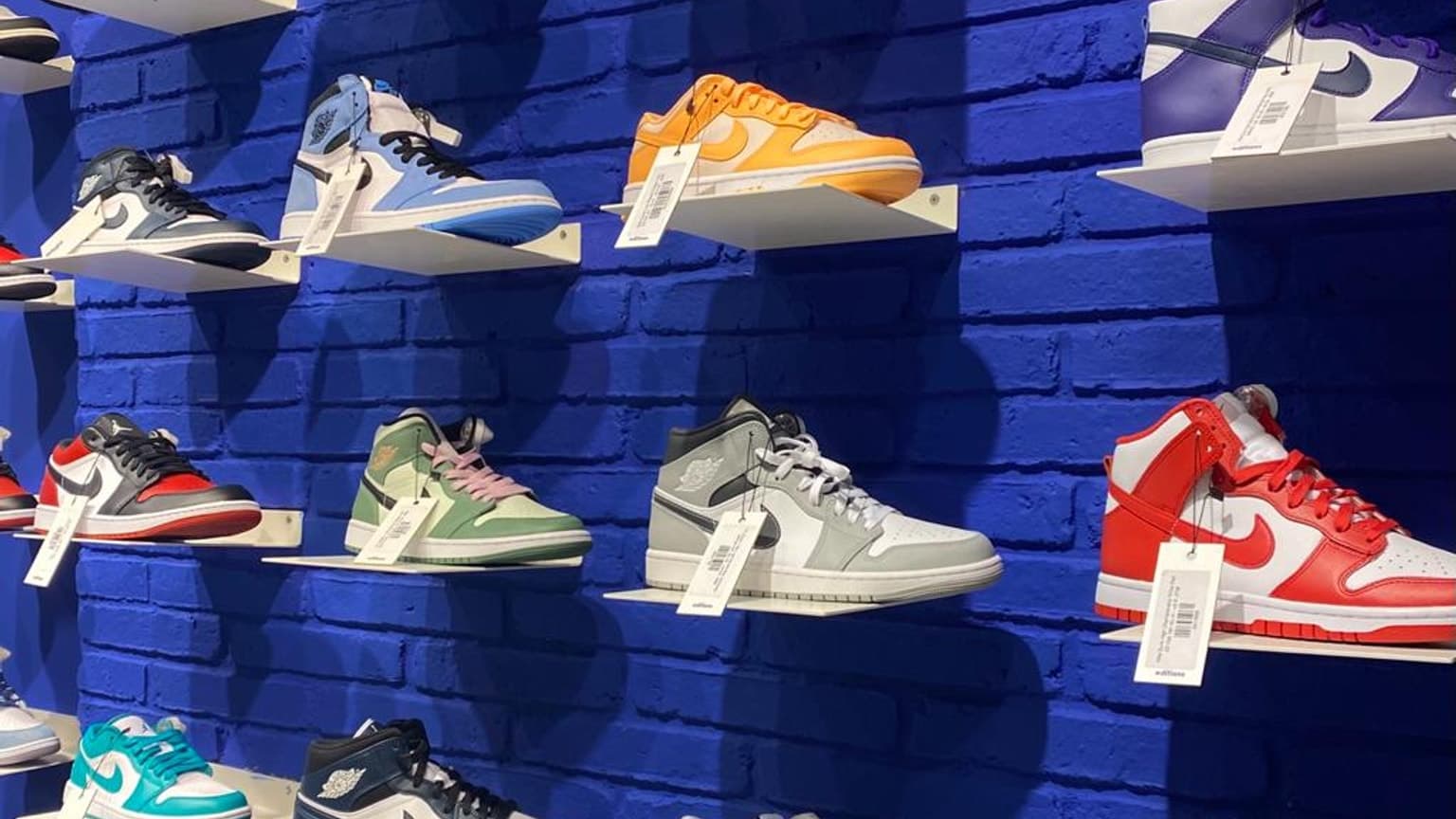
Legit Check 101: How to Spot Fake Sneakers in 2026
Here's the uncomfortable truth about 2026: the fakes are good. Really good. The era of obvious "UA" knockoffs with crooked logos and cardboard soles is mostly over. Today's high-end replicas use better materials, tighter tooling and factories that have studied the originals obsessively. A bad fake will still trip you up at a glance, but a good one requires you to actually know what you're looking at.
So know what you're looking at. This is the no-BS, brand-by-brand legit-check guide for the silhouettes you're most likely to be buying secondhand this year.
Rule zero: the price tells the truth
Before you inspect a single stitch, look at the price. If a hyped pair is dramatically cheaper than the going market rate, it's a red flag, full stop. Counterfeiters compete on price because they can't compete on legitimacy. A deal that feels too good usually is. This single instinct will save you more often than any close-up inspection.
Air Jordan 1: the most faked shoe alive
The AJ1 is the most replicated sneaker on earth, so master it first.
Swoosh placement and shape. This is the giveaway. Fake Jordan 1s frequently have the Swoosh positioned too high or too low on the panel, or with a subtly wrong shape. Memorize the correct proportions and placement for the specific colorway you're buying. They're consistent across authentic pairs.
Stitching. Authentic pairs have consistent, neat, even stitching. Be deeply suspicious of loose threads, uneven spacing, or sloppy patterns. Nike's quality control on retail Jordans is tight; replicas struggle to match it at scale.
The box and labels. Real Jordans ship in sturdy, high-quality boxes with accurate logo positioning, vibrant color and correct fonts. Fakes betray themselves with cheap materials, faded printing and wrong typefaces. The size tag is a classic tell: counterfeiters routinely use the wrong font for the text.
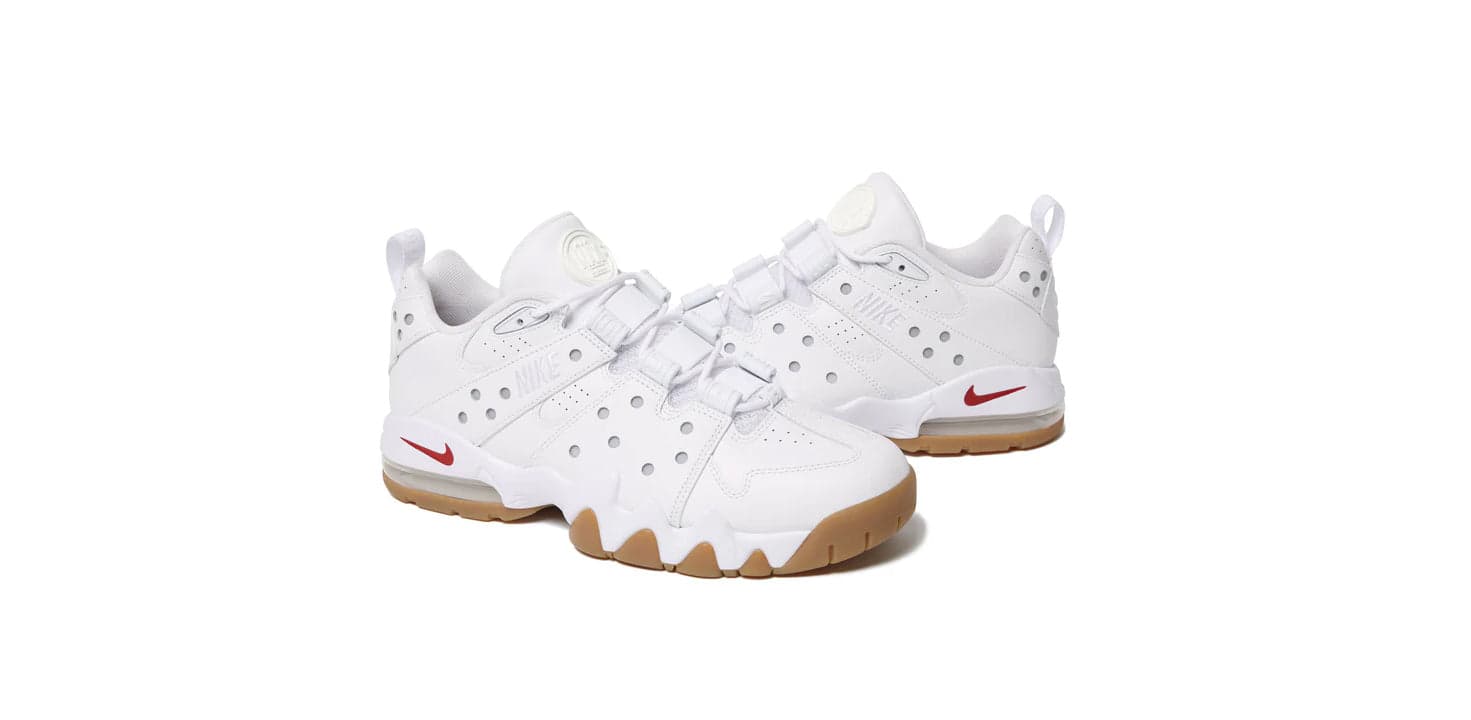
Nike Dunk: read the Swoosh and the midsole
The Dunk has its own set of tells, and most live in the construction.
Swoosh curvature. The authentic Dunk Swoosh has a distinctly curvier shape; replicas often flatten or alter that curve. Because the genuine Swoosh is bulkier and more three-dimensional, attaching it naturally produces slightly imperfect stitching, so a row of suspiciously perfect, dead-straight stitches around the Swoosh can actually indicate a fake (the thinner replica logo sews too cleanly).
Foxing and midsole. Authentic Dunks have curvier foxing (the strip where the upper meets the sole); fakes tend toward a straighter bottom. Crucially, the authentic midsole sits lower in height and has a subtly textured surface. An overly tall or smooth midsole is a warning sign.
Tongue label. On a genuine label, the Swoosh logo reads thicker and longer, and the font should be very thick, bold and less tilted. Replica labels often look thinner, more slanted and slightly off.
Hyped runners: ASICS, New Balance, Salomon
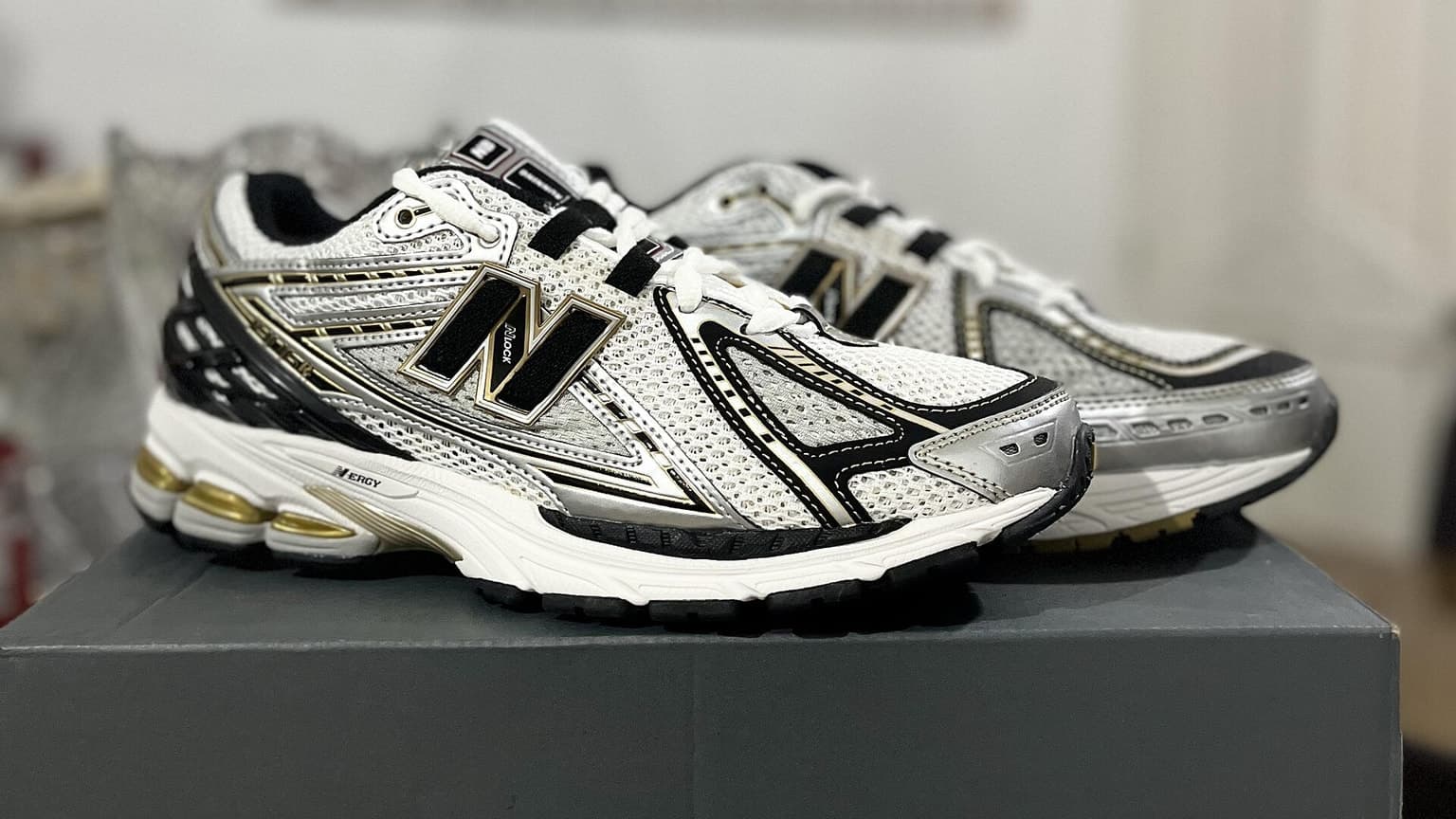
As heritage runners exploded in value, the fakes followed. The ASICS GEL-1130 and Kayano, New Balance's 1906/990 series and Salomon's XT-6 are all now worth counterfeiting.
The principles transfer directly: check the logo fonts and placement against verified reference images, inspect stitching consistency, weigh the shoe in your hand (cheap foam and glue feel wrong), and scrutinize the box and labels. Brand-specific tells matter too: study the correct gel-unit construction on ASICS and the heel-tech detailing on New Balance before you buy secondhand. With newer silhouettes, replica makers haven't always had time to perfect the details, so subtle material and tooling errors are common.
The advanced layer: X-ray and apps
Professional authentication has gotten genuinely high-tech. X-ray authentication is one of the most effective methods available: it reveals the internal structure, exposing the fact that many counterfeits contain dummy air units that differ in size and position from the real thing. You won't have an X-ray machine at home, but it's why platform authentication is worth trusting.
For everyday buyers, authentication apps and services (LegitCheck, LegitGrails and similar) walk you through photo-based verification point by point. They're not infallible, but they're a strong second opinion when you're unsure.
The safest move: buy authenticated
The single best protection against fakes isn't your eye. It's buying through platforms that authenticate before they ship. StockX, GOAT and similar services inspect pairs in-house, and that verification step is precisely why they exist. You pay a small premium over a sketchy private sale, but you remove the single biggest risk in secondhand sneaker buying.
If you do buy privately (a marketplace, a meetup, a DM deal), demand detailed photos of the exact tells above (Swoosh, stitching, box, label, tag font), in good lighting, of the actual pair. Refuse stock photos. A legitimate seller has nothing to hide.
The verdict
Fakes in 2026 are good enough that complacency is the real enemy. But they still can't perfectly replicate the things that matter: the Swoosh curve, the stitch quality, the midsole height, the label font, the internal air unit. Learn the tells for the shoes you actually buy, distrust suspiciously low prices, and lean on authenticated platforms when the stakes are high.
Knowledge is the only true legit check. Get yours up to date before you spend a cent.