
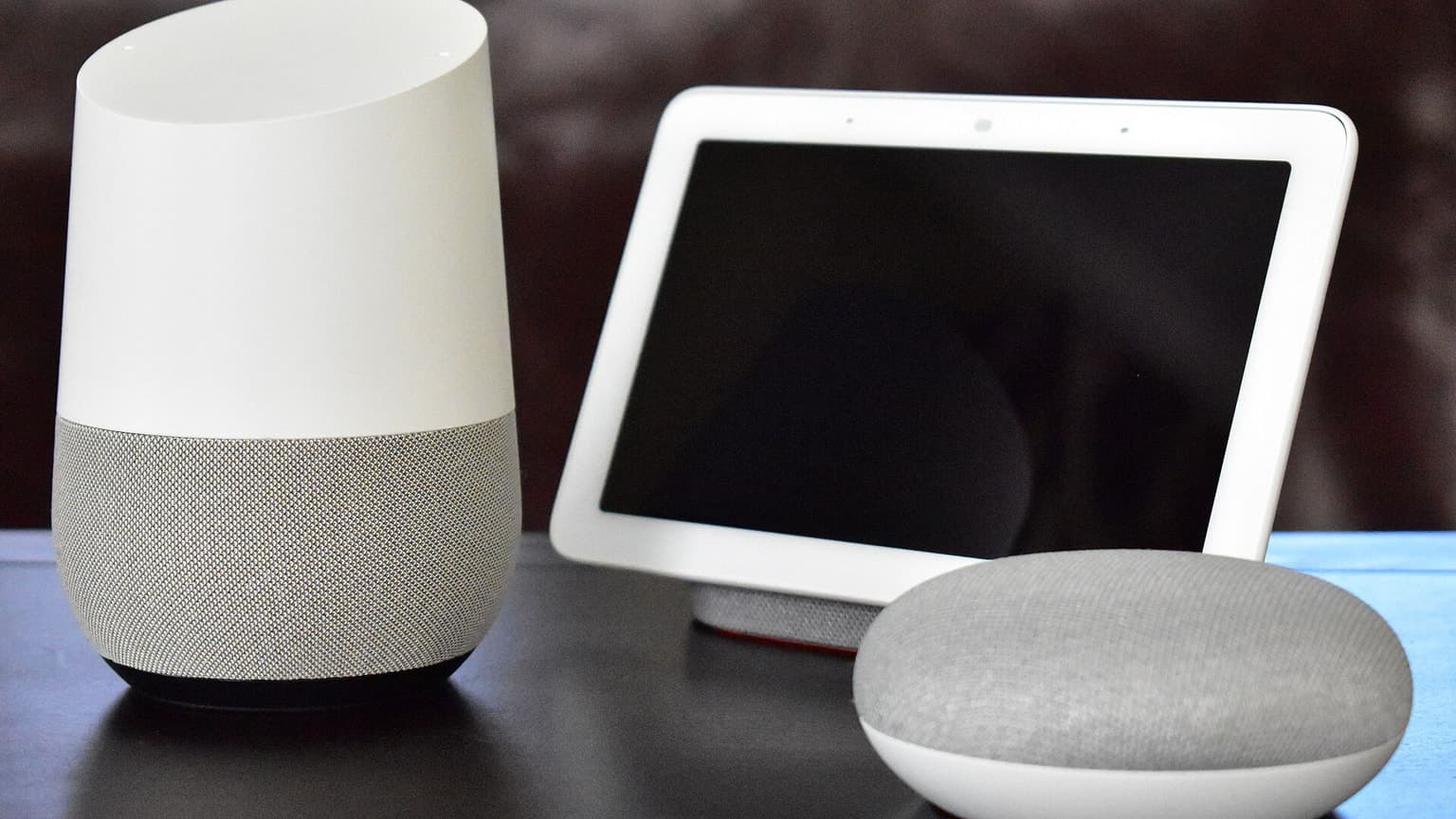
The smart home was never that smart
For years, the "smart home" ran on a lie of omission. You could turn lights on with your voice, sure, as long as you phrased it exactly right, named the device exactly correctly, and didn't try to do two things at once. Ask for anything compound and the assistant face-planted. The hardware was fine. The brain was the problem. In 2026, that brain finally got an upgrade, and the difference is the gap between a voice remote and an actual assistant.
Gemini for Home is the headline
The biggest leap is Google rolling out Gemini for Home, with early-access users getting Gemini 3.1 (its most advanced model yet) wired into the home experience. The practical upgrade is multi-step reasoning. You can now combine tasks in a single breath: "add eggs and milk to the grocery list, then update my morning alarm to 6:30 and remind me to call the landlord at noon." The old assistant would have choked. Gemini 3.1 parses the intent, sorts the steps, and executes.
That's the whole difference between a command-response gadget and something that feels like talking to a capable person. Layered on top: Google modernized the Home camera experience with real performance gains, a refreshed interface, and, notably, extended popular features back to earlier-generation cameras, so you don't have to buy new hardware to get the upgrade. That's a rare and genuinely consumer-friendly move.
Alexa Plus and the conversational shift
Google isn't alone. Amazon's Alexa Plus and Google's Gemini for Home both represent the same pivot: away from rigid command syntax and toward natural, conversational AI you can actually talk to like it understands context. You can be vague, you can self-correct mid-sentence, you can follow up without re-stating everything. The assistant holds the thread.
The honest catch: this intelligence increasingly comes with a subscription. The smartest tier of your smart home may now have a monthly fee attached, which is a real shift from the buy-it-once model people expected. Worth knowing before you go all in: the cleverest version of Alexa or Google Home is becoming a service, not just a speaker.
Matter 1.5 quietly fixed the worst part
If AI is the flashy upgrade, Matter is the boring one that matters more for your sanity. The interoperability nightmare (where a bulb worked with Alexa but not HomeKit, and a plug spoke Google but not Apple) is finally easing. You can now buy a Matter-certified smart bulb and control it simultaneously through Apple HomeKit, Google Home, and Amazon Alexa without compatibility headaches.
The standard keeps expanding too. Recent versions added support for dishwashers, robot vacuums, washers, dryers, air purifiers, and air-quality sensors, while Matter 1.5 brings whole-home energy dashboards and solar/battery integration across platforms. That last bit is a sleeper feature: a single view of your home's energy use and storage, regardless of which brand made each device, is genuinely useful in a year when everyone's watching their power bill.
Apple's quieter, more private play
Apple's approach is, predictably, more walled-garden and more privacy-forward. Its smart-home stack leans on home hubs, encrypted HomeKit Secure Video, Activity History, and Matter accessory management, with the HomePod mini still the sweet spot for iPhone and Mac households thanks to direct HomeKit integration and on-device Siri processing. The theme across the industry (and Apple's been beating this drum longest) is edge computing: handling basic commands locally for better privacy and reliability, rather than shipping everything to the cloud. Your "turn off the lights" shouldn't need a round trip to a data center, and increasingly it doesn't.
What's actually worth upgrading
You don't need to rip out your setup. Here's where the 2026 improvements are worth acting on.
Lean into Matter for anything new. Every new device you buy should be Matter-certified. It future-proofs you across platforms and ends the will-it-work guessing game. This is the single best habit to adopt.
Try the new assistant tier, then decide on the subscription. Gemini for Home and Alexa Plus are a real step-change in how natural your home feels to control. Use the trial, see if multi-step commands fit how you actually live, and only then decide whether the monthly fee is worth it.
Care about privacy? Favor edge processing. If keeping data local matters to you, prioritize devices and platforms that handle commands on-device. Apple leans hardest here, but the whole industry is moving this direction.
The bottom line
The smart home spent a decade being a collection of gadgets that almost talked to each other and barely understood you. In 2026, two things changed at once: the assistant got a real brain via Gemini and Alexa Plus, and the plumbing got fixed via Matter. The result is a home that follows a complex thought, works across every ecosystem, and increasingly keeps your data close. The catch is the creeping subscription on the smartest features. But for the first time, "smart home" isn't aspirational marketing. It's just an accurate description.