
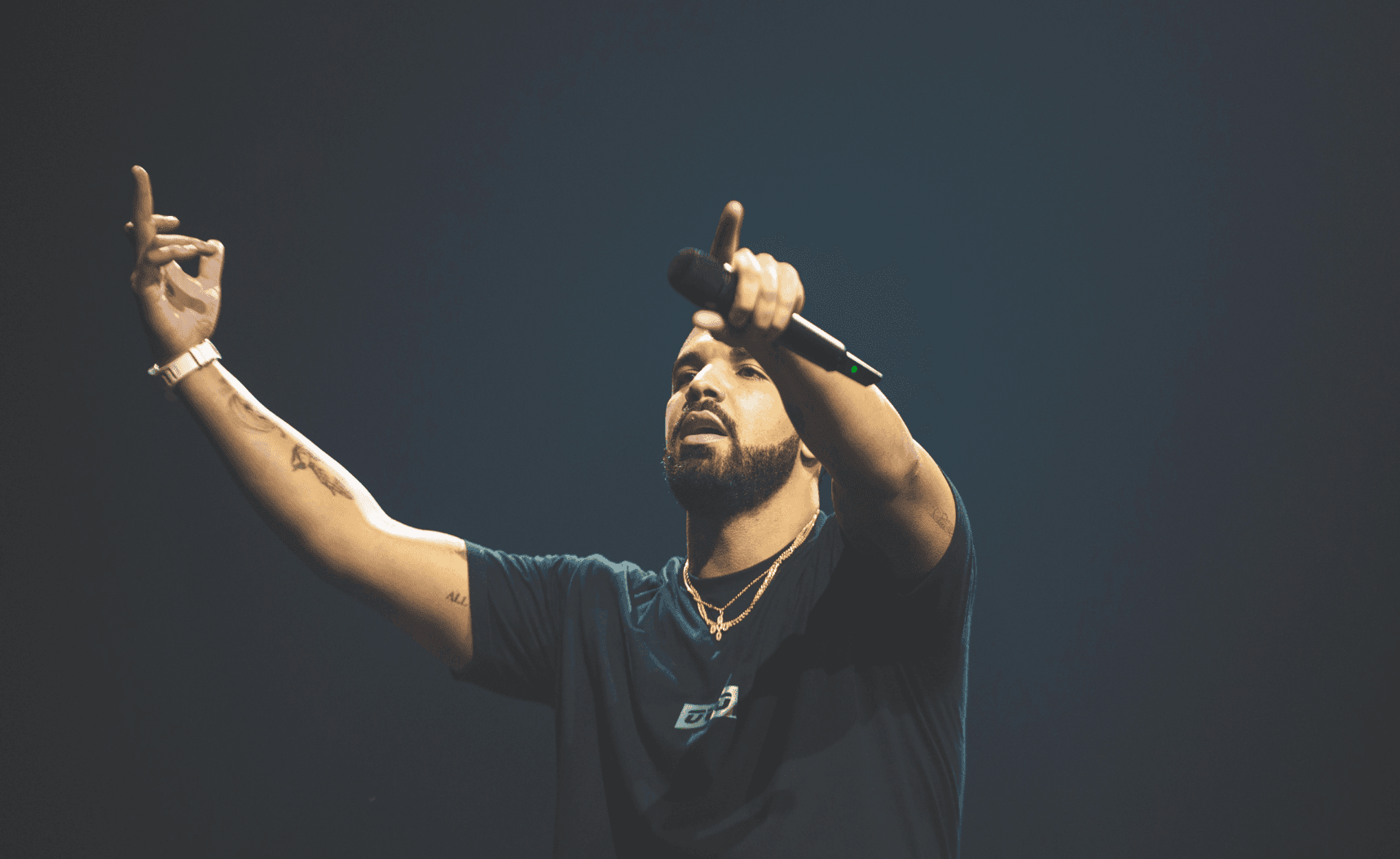
Drake did not come back quietly. On May 15, he released ICEMAN alongside MAID OF HONOUR and HABIBTI, turning a standard album night into a 43-track takeover. It is a flex built for the streaming era, but the size only matters because the projects separate three familiar sides of Drake instead of forcing them into one oversized playlist.
ICEMAN is the center of gravity. Apple Music lists it at 18 songs and 68 minutes, and its title fits the mood: controlled, defensive and fully aware of the temperature around him. Where HABIBTI leans into R&B and MAID OF HONOUR moves toward dance music, ICEMAN carries the rap-first pressure. The result feels less like a random data dump and more like Drake sorting his own catalog into distinct rooms.
Why the rollout works
For years, the criticism around blockbuster rap albums has been that they try to be everything at once. Drake answered that problem with excess of a different kind. Instead of asking one tracklist to jump from late-night confession to club record to hard-edged rap, he released three separate worlds on the same day. Fans can choose a lane without pretending every mood belongs in the same sequence.
The timing gives the move extra weight. ICEMAN arrived after one of the most public battles of Drake’s career, so every line was always going to be treated like evidence. The sharper play is that the album refuses to shrink into a response record. It is still obsessed with status, loyalty and memory—the subjects that have powered Drake for years—but the scale of the release says he would rather flood the conversation than explain himself inside it.
The takeaway
Not every listener needs all 43 songs. That is almost the point. Drake has turned abundance into curation: rap here, R&B there, dance music in another tab. ICEMAN feels like the main event because it carries the tension, but the full drop shows an artist treating his own range like a platform. In 2026, that may be the most Drake move possible.