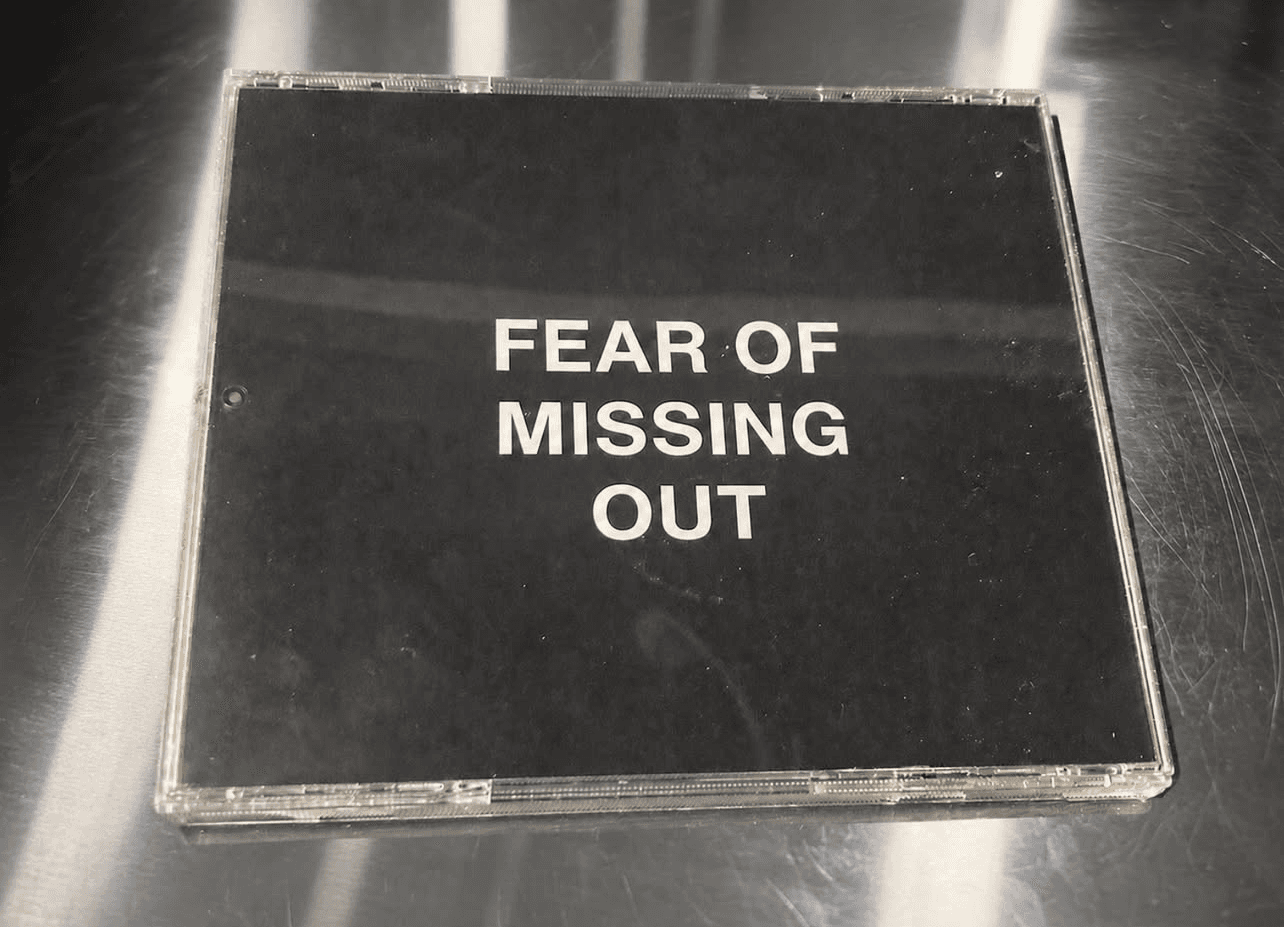
Drake spent weeks teasing Fear of Missing Out without explaining whether it was an album, a movie or something in between. When FOMO finally premiered on September 15, the answer turned out to be: all of the above.
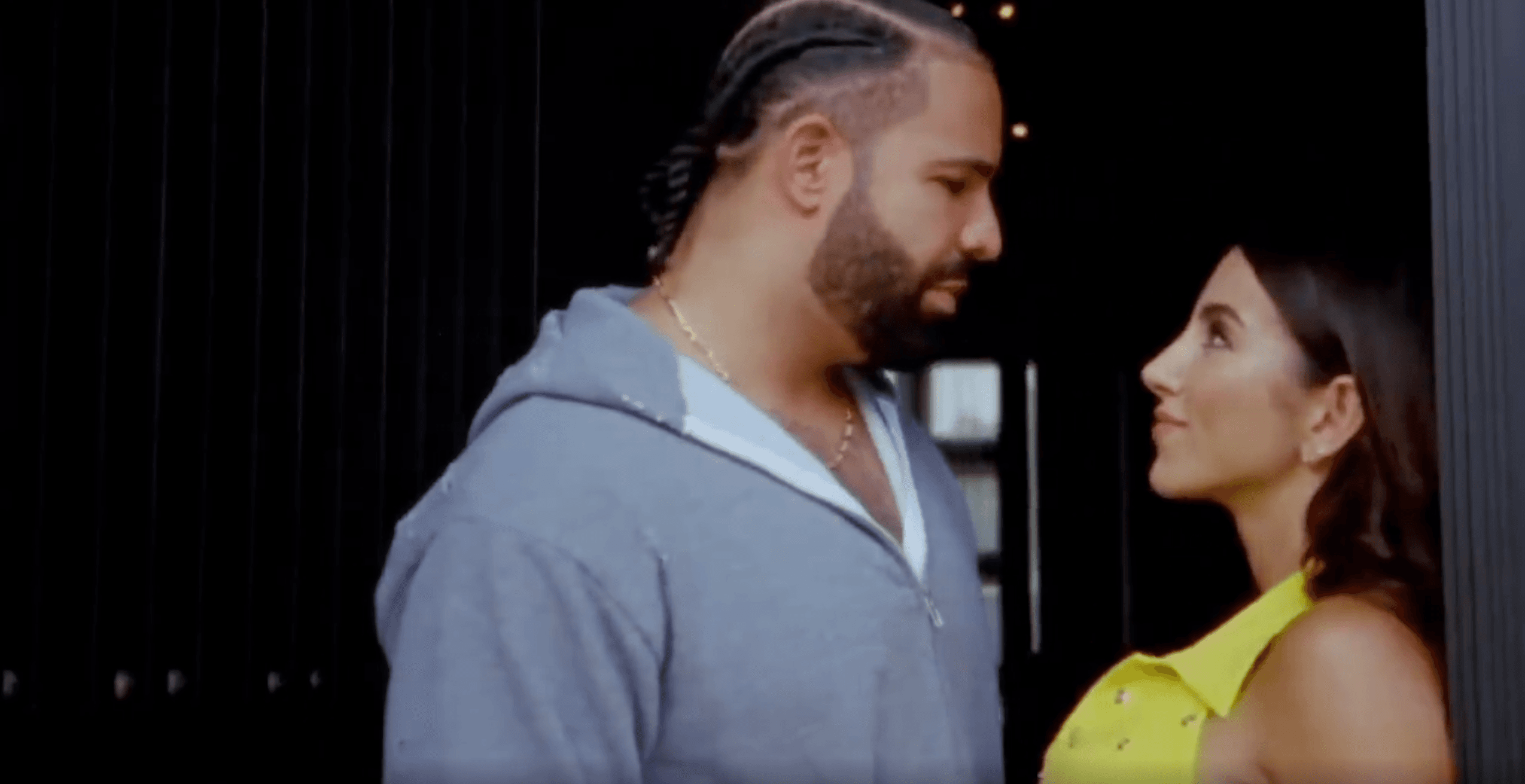
The self-funded film moves through a loose collection of music-video-style scenes rather than following a traditional plot. Drake dances through his mansion, works out, races a neon-green boat across the Toronto waterfront and casually shows off two Iron Man suits reportedly worth $150,000 each. It is polished, extravagant and intentionally strange—the kind of visual universe that only makes sense with Drake at its center.
New music without a conventional rollout
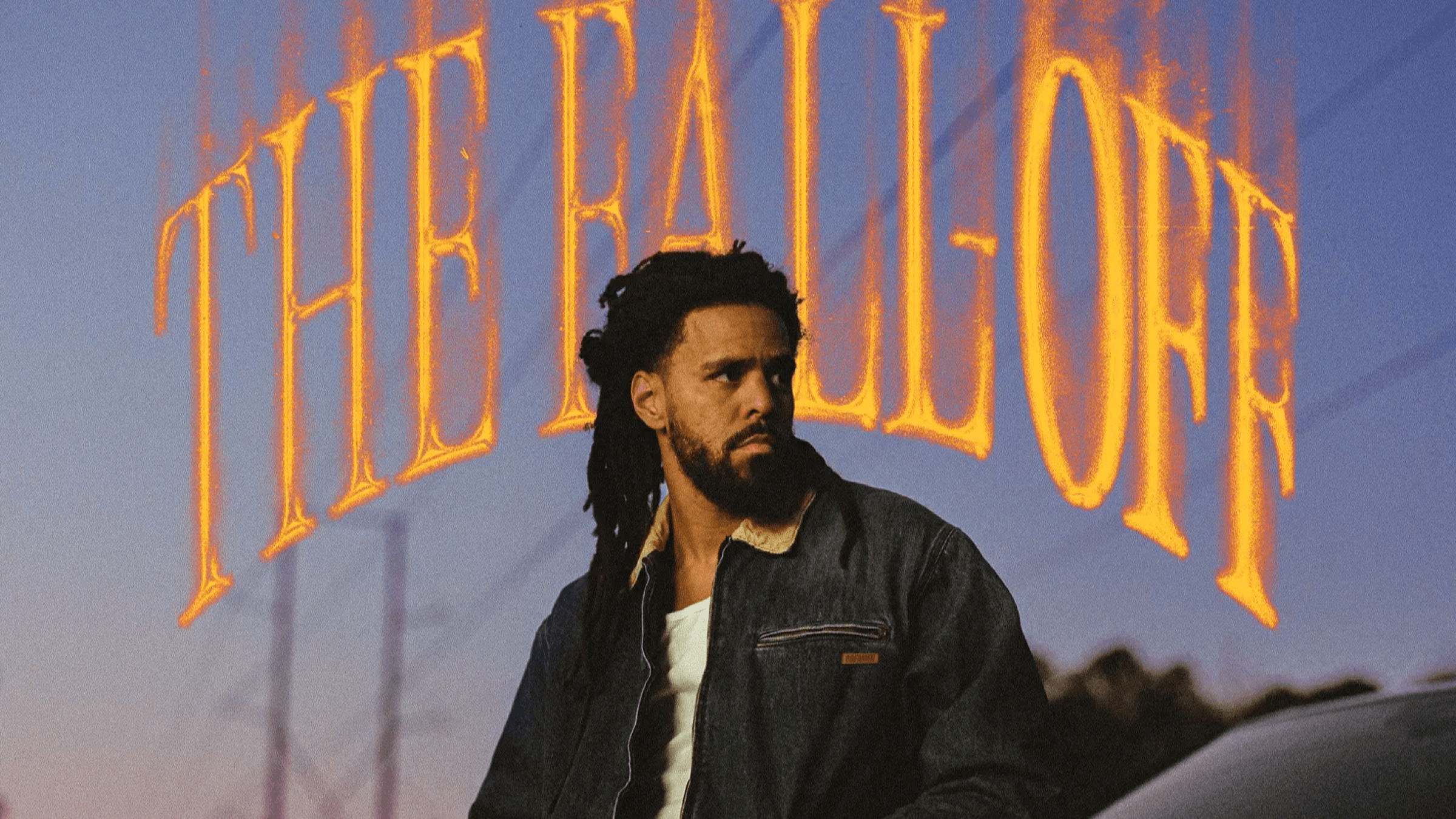
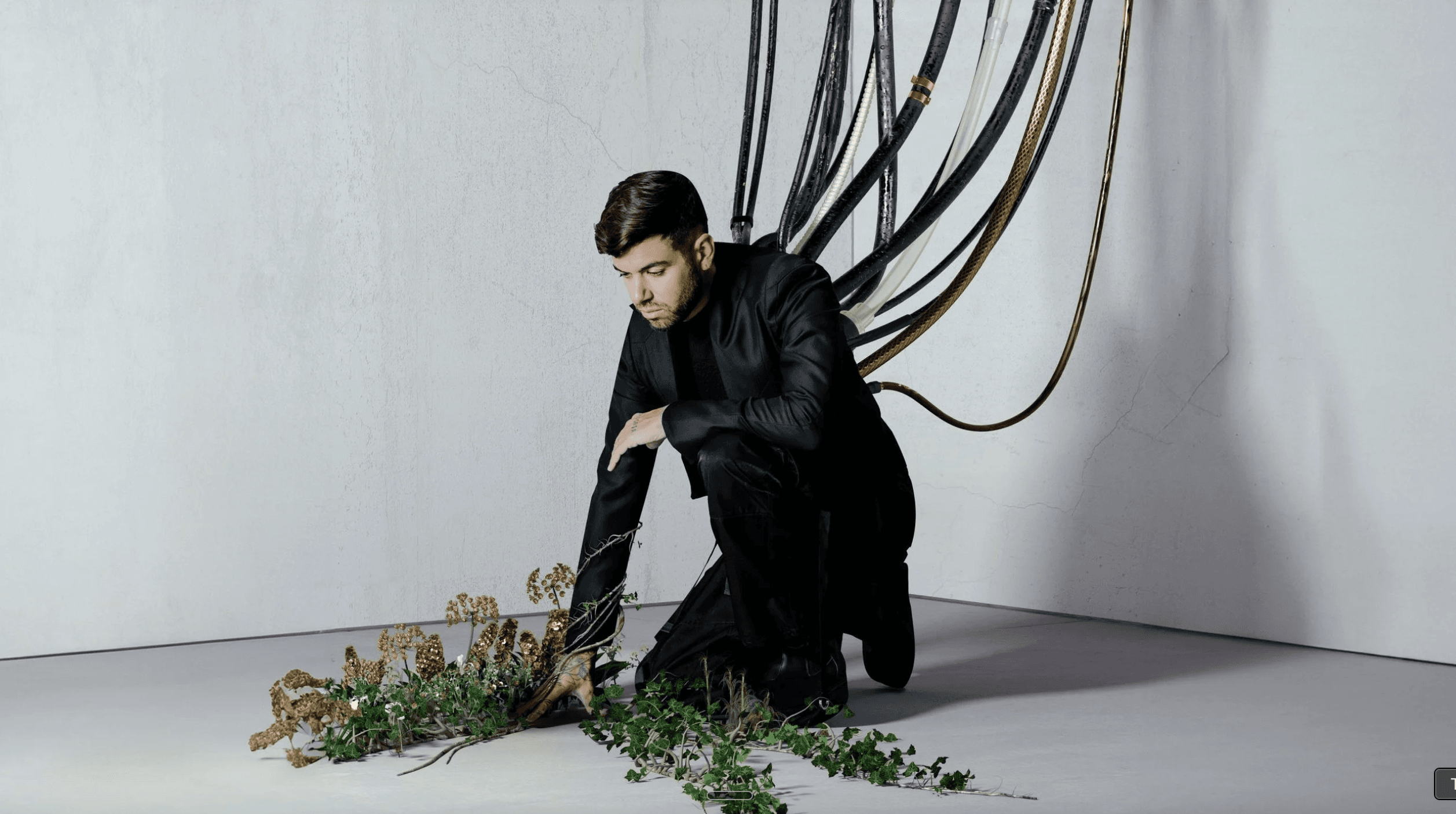
The biggest reason to watch FOMO was the music. Familiar songs received new visuals, while unreleased material appeared throughout the film—including collaborations with Sexyy Red and Don Toliver.
The clearest standout is Drake and Don Toliver’s reworking of Ella Langley’s country-pop hit “Choosin’ Texas.” Their version slows the original down and pushes it toward atmospheric R&B, turning an unexpected crossover into something that sounds completely natural inside Drake’s catalog.
None of the new tracks had received an official streaming release immediately after the premiere. The full film was also made private on Drake’s YouTube channel shortly after appearing, making the title Fear of Missing Out feel almost literal. If you missed the event, you actually missed it—at least for now.
The spectacle still leaves room for family
For all the expensive toys and superstar cameos, some of FOMO’s most memorable moments are surprisingly personal. Drake’s mother, Sandi Graham, appears with her friends and reveals an “ICEMOM” tattoo, while the closing section looks backward at recognizable moments from her son’s career.
That mix of intimacy and excess is the film’s real connective tissue. Drake is presenting the mansion, the boat and the celebrity lifestyle, but he is also framing success as something built around family, longtime collaborators and memories that cannot be recreated.
Drake still believes the music video matters
Before the premiere, Drake described the film as a story about making the most of a single summer. He also pushed back against the idea that music videos—or rap itself—no longer command people’s attention. The scale of FOMO feels like his response: if the traditional music-video era is supposedly ending, make something too large and unpredictable to ignore.
That strategy continues the maximalist rollout behind Drake’s three-album ICEMAN era, but FOMO makes the presentation feel more personal and less like a standard release campaign.
The moment is part of the artwork
FOMO is not a conventional short film, and it does not try to be one. It is part visual album, part home movie, part advertisement and part career retrospective. The lack of a clear narrative may frustrate anyone expecting a straightforward story, but the unpredictability is the point.
Drake has spent years turning every release into a wider conversation. With FOMO, he made the premiere itself part of the artwork: weeks of mystery, a delayed livestream, unexpected music and then a disappearing video that immediately sent fans searching for clips.
The film also included confirmation that Drake plans to tour in 2027. Whether its unreleased songs become singles, a soundtrack or pieces of another project remains unanswered. For now, FOMO works exactly as intended—it gives fans plenty to discuss while making everyone wonder what they might miss next.