The toy that ate 2025
For about eighteen months, a small, fanged, faintly demonic plush creature with the eyes of a Margaret Keane painting was the most coveted object in youth culture. Labubu, the elf-monster designed by Hong Kong-born artist Kasing Lung and merchandised to oblivion by China's Pop Mart, went from niche designer toy to global status symbol with a velocity that even the company seemed to find disorienting.
The numbers were genuinely absurd. Pop Mart's "The Monsters" line, anchored by Labubu, generated roughly $670 million in revenue, accounting for around 35% of the company's total. Sales of the figures reportedly cleared 100 million units in a single year. eBay search traffic spiked something like 2,600%. US sales jumped over 1,000% year-over-year. Lisa from BLACKPINK clipped one to a bag; Rihanna dangled one; the algorithm did the rest.
And then, almost on schedule, the bubble started to leak.
Scarcity was the product
Here's the thing worth saying out loud: Labubu was never really about Labubu. It was about the blind box.
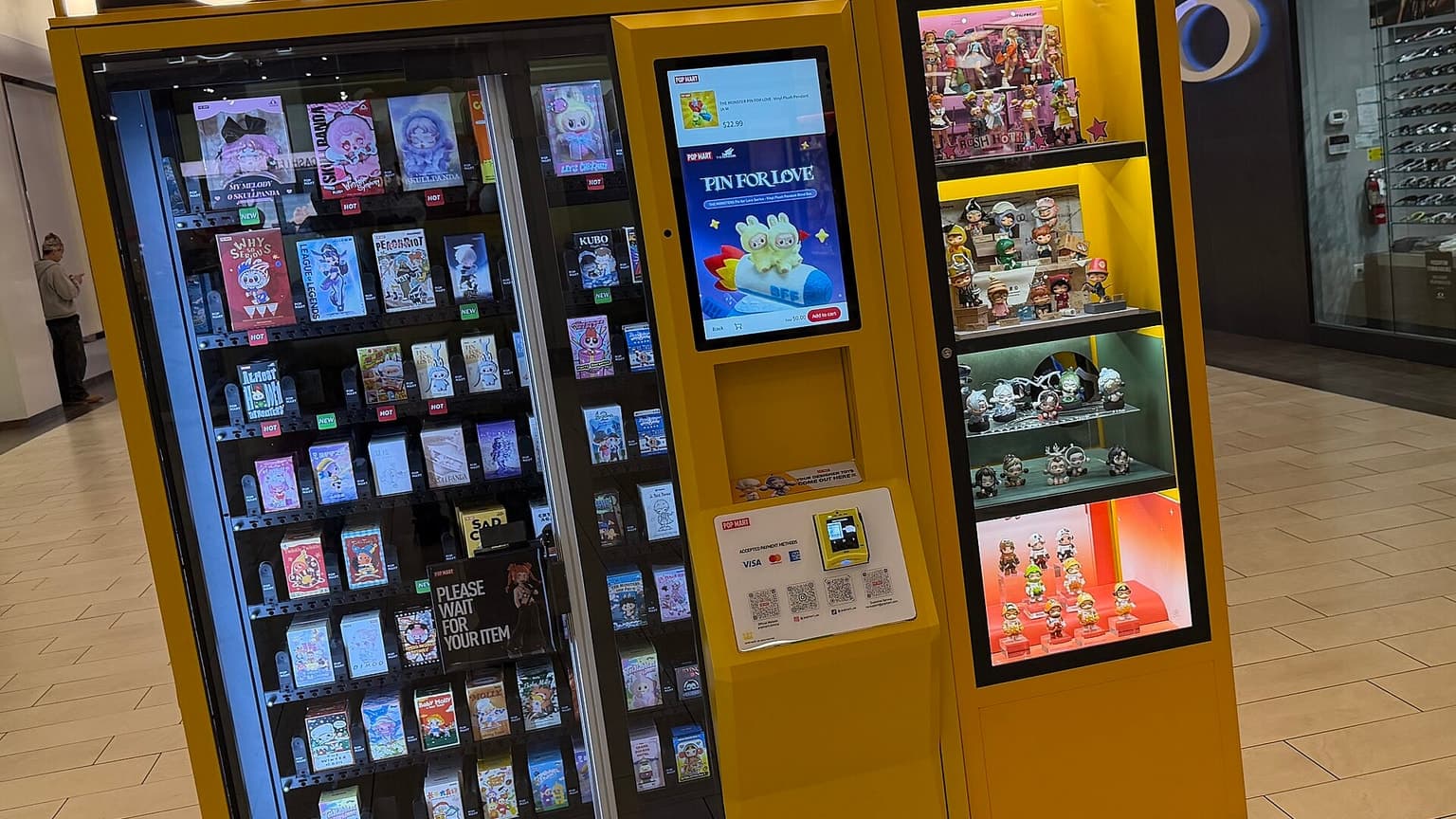
Pop Mart's entire machine runs on a single, ancient piece of behavioral engineering. You don't buy the figure you want. You buy a sealed box and find out what you got. Each series has roughly twelve standard designs and one or two "secret" variants with vanishingly small pull rates. It's a slot machine with a fuzzy payout. The variable-reward loop that keeps people pulling slot levers is the exact loop that kept people buying boxes by the armful, chasing the one chase figure.
That's not a knock on the people doing it. It's a recognition that Pop Mart understood something real. As more than one analyst has noted, the blind box and the bag charm became "emotional anchors in a messy and uncertain world." Adults (and Labubu was always an adult obsession dressed as a kid's toy) were buying a small, repeatable hit of surprise and a membership card to a tribe. In a culture that monetizes anxiety, a $15 dopamine ritual you can clip to your tote is a remarkably efficient product.
The deflation
By early 2026, the spell broke the way these spells always break: through supply.
Pop Mart ramped Labubu production roughly tenfold, to tens of millions of units a month. Scarcity, the actual engine, evaporated. Resale prices on the secondary market cratered, with many models falling 50% or more. The figures that flippers had stacked like crypto in 2025 became the toys gathering dust in 2026. Campaign asked whether we'd hit "peak Labubu." The honest answer is yes, and that was inevitable the moment the thing got too big to stay scarce.
This is the paradox at the center of every hype object. The demand depends on the difficulty. Solve the difficulty (flood the shelves, satisfy everyone) and you've killed the magic that created the demand. Pop Mart faced the choice every hype machine faces: stay small and coveted, or scale and watch the aura thin out. It chose the money. Most of them do.
What comes next
Pop Mart isn't a one-monster company, which is the smart part of the story. It holds a portfolio of 90-plus intellectual properties, and the post-Labubu playbook is visibly about rotation: pushing emerging characters, building multi-IP collections, and seeding the next blind-box obsession before the current one fully cools. The bet is that the habit outlives any single character: that the ritual of the pull is the durable asset, not the elf-monster of the moment.
They're probably right. The blind-box behavior isn't going anywhere; it's spreading. You can see the same mechanic metastasizing across the culture: in trading-card repacks, in gacha mobile games, in "mystery drop" streetwear, in the loot-box logic that's been quietly colonizing how Gen Z buys almost everything. The aesthetic changes. The slot machine stays.
The real takeaway
If you want to understand the 2020s collectibles economy, don't fixate on the toy. Fixate on the format.
Labubu was a perfect case study in how a piece of plastic and fabric becomes a status good: take a charismatic design, attach a celebrity or two, wrap it in artificial scarcity, and let social media convert FOMO into a self-sustaining resale market. None of those ingredients are about the object's intrinsic worth. They're about the story of getting it, the small thrill of the reveal, and the social proof of owning one before everyone else did.
The post-Labubu era isn't the end of blind boxes. It's the moment the format graduates from a single breakout character to a permanent feature of how culture sells itself. The next Labubu is already in a sealed box somewhere, waiting to be pulled. You just don't know which one it is yet, and that, of course, is the entire point.