Most gaming headsets sell convenience first and sound quality second. Sony’s next Pulse lineup is built around the opposite idea: start with serious driver technology, then add the features PlayStation players expect.
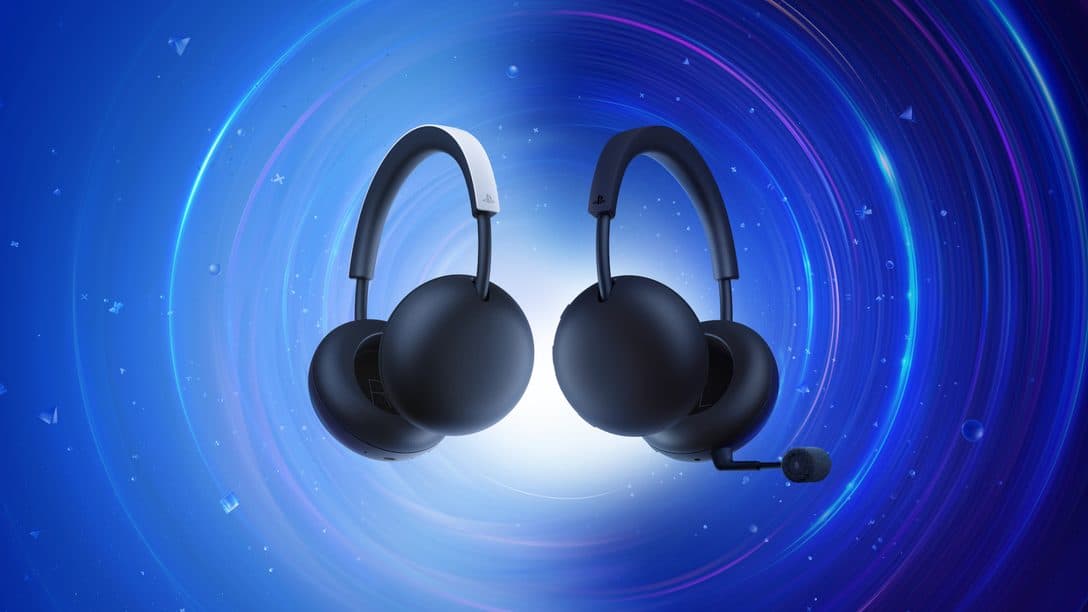
Both new models use planar magnetic drivers, work across PS5, PlayStation Portal, PC and Mac, and connect through PlayStation Link. The distinction is simple. Pulse is the mainstream version. Pulse Edge pushes the same foundation into premium territory.
Sony is not selling louder gaming audio. It is selling cleaner separation, faster response and fewer compromises.
What changed at a glance
CORE UPGRADE — Larger planar magnetic drivers designed to separate dialogue, music and effects more clearly.
WIRELESS — PlayStation Link provides low-latency lossless audio through a USB-C adapter.
STANDARD PULSE — The simpler model keeps integrated microphones and skips active noise cancellation.
PULSE EDGE — More magnets, active noise cancellation, a detachable boom mic, chat controls and a carrying case.
Planar magnetic is the headline
Traditional gaming headphones usually rely on dynamic drivers, where a voice coil moves a cone to create sound. Planar magnetic designs spread that force across a thin diaphragm. The result can be faster movement and tighter control.
In a game, that control matters most when the mix gets crowded. Dialogue, music, footsteps and distant effects should occupy their own space instead of collapsing into one loud wall.
Why gamers may actually notice
Sony says these drivers are larger than the ones in the current Pulse Elite. Bigger is not automatically better, but the goal is clear: stronger detail, cleaner positioning and bass that lands without burying everything around it.
Spatial accuracy is not just an audiophile flex. In competitive games, direction is information. In cinematic games, separation is what keeps a huge set piece from becoming noise.
PlayStation Link handles the connection
Both headsets use Sony’s low-latency PlayStation Link system through an included USB-C adapter. That avoids the delay and compression that can make ordinary Bluetooth feel detached from the action.
The headsets can also stay connected to a Bluetooth device while PlayStation Link handles game audio. A player can take a call or keep a second source available without rebuilding the setup every time.
Pulse and Pulse Edge are aimed at different buyers
The standard Pulse uses four magnets per driver and keeps the hardware focused: planar audio, integrated microphones and PlayStation Link. It does not include active noise cancellation.
Pulse Edge doubles the magnet count to eight per driver and adds active noise cancellation, a detachable boom microphone, a hidden backup mic, game-and-chat controls on PS5, an analog jack and a carrying case. The materials are positioned as more premium too.
Both models use AI-assisted noise rejection to pull a player’s voice away from keyboard clicks, fans and room noise. That may be the improvement teammates notice before the owner does.
Price will decide whether this works
PlayStation Pulse is planned for the 2026 holiday season, with Pulse Edge following in early 2027. Pricing and preorder details remain the missing pieces.
The strategy makes sense. Pulse tries to make planar audio normal for console players; Pulse Edge is for buyers who want isolation, microphone flexibility and the strongest version of Sony’s new driver system.
If the prices are disciplined, PlayStation may finally have a headset line that does not force players to choose between useful gaming features and genuinely good headphones.