Opinion: The Running-Shoe Takeover Is the Best Thing to Happen to Sneakers in Years
Let me say the quiet part loud: the running shoe winning is the best thing that's happened to sneaker culture in a decade. Not the most exciting, maybe. Not the most Instagrammable. But the healthiest, the most honest, and the most overdue.
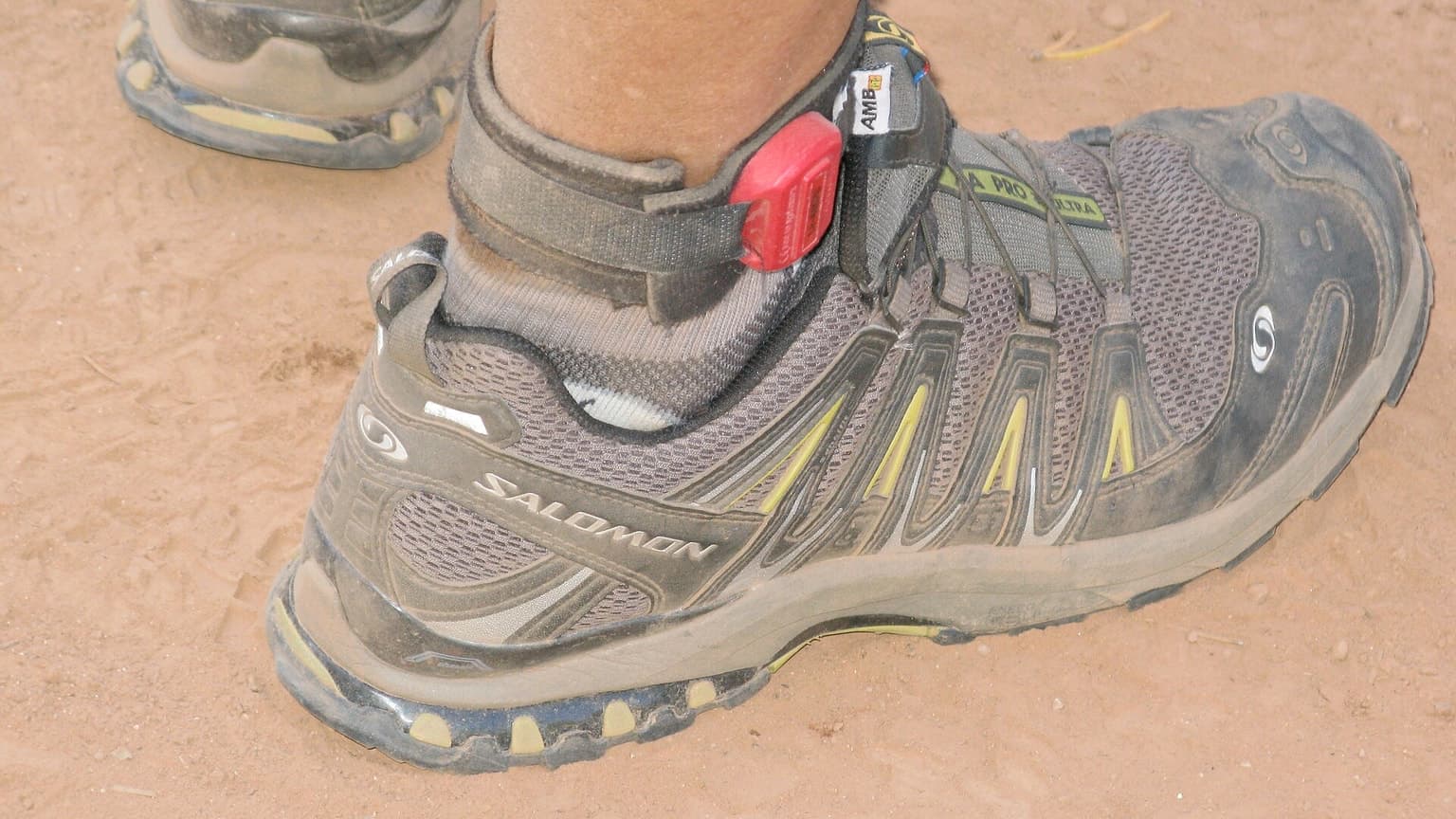
For years we let hype eat substance. We queued for shoes we'd never run a block in, valued scarcity over quality, and turned a culture built on love of footwear into a futures market for the JD-Sports generation. Then ASICS quietly became the fastest-growing brand on StockX two years running, Salomon's trail shoes colonized every fashion week, New Balance shed its lawn-dad reputation entirely, and somewhere in there, sneakers got good again.
Here's why I'm thrilled about it.
Substance came back into fashion
Consider the shoes actually winning in 2026. The ASICS GEL-1130, StockX's best-seller of 2025. The Salomon XT-6, a genuine ultra-distance racing shoe. The New Balance 1906, running on real ABZORB and N-ERGY cushioning. The common thread isn't a marketing gimmick or a manufactured limited edition. It's that these are good shoes: engineered for performance, comfortable for actual feet, built to do something.
For a long stretch of the hype era, the shoe itself was almost beside the point. The value was in the resale ticker, the cachet, the access. A Panda Dunk wasn't beloved for how it felt; it was beloved for how it photographed and how it flipped. The running-shoe takeover flips that script. People are buying GEL-1130s by the millions because they're comfortable, versatile and look great, not because a bot told them to.
That's not a small shift. That's the culture remembering what shoes are for.
The death of artificial scarcity
The hype model ran on manufactured rarity. Drop a few thousand pairs, watch the resale price triple, repeat. It worked until it didn't, and the data shows it stopped working. Only 47% of releases now flip above retail, down from 58% in 2020. GOAT launched a discount marketplace. The Samba and the Panda Dunk choked on their own ubiquity.
The heritage runners broke that model by being abundant on purpose. You can buy a GEL-1130 at retail, in your size, today, in a dozen colorways. ASICS didn't get huge by starving the market; it got huge by flooding it with product people genuinely wanted. New Balance is the #4 brand on StockX precisely because its silhouettes are accessible and great.
Abundance over artificial scarcity. It turns out you can build a massive, healthy sneaker brand by just making shoes people can actually buy. Revolutionary, apparently.
The democratization is real
The best consequence of all this: sneakers got democratic again. The running-shoe era is fundamentally inclusive. These shoes don't require a SNKRS lottery win or a reseller's markup. A teenager with $130 and a kid's interest in fashion can walk into a store and walk out with the most culturally relevant shoe of the moment. That was not true in 2021.
A culture that locks its best product behind bots, raffles and 300% resale markups is a culture pricing out exactly the young, broke, passionate people who keep it alive. The heritage-runner wave reopened the door. The barrier to participating is back down to where it should be: enthusiasm, not bank balance.
The aesthetic is better, too
I'll go further: the shoes look better. The Y2K-tech aesthetic that ASICS, New Balance and Salomon trade in is genuinely more interesting than the umpteenth recolor of a 40-year-old basketball silhouette. The metallic meshes, the visible cushioning, the alien Salomon profiles: this is design that feels forward-looking instead of endlessly nostalgic. And it styles beautifully: tonal, futuristic, flexible across the whole streetwear-to-techwear spectrum.
We spent a decade re-releasing the same Jordans and Dunks in slightly different colors. The running takeover dragged some actual newness back into the conversation.
The counterargument, and why it's wrong
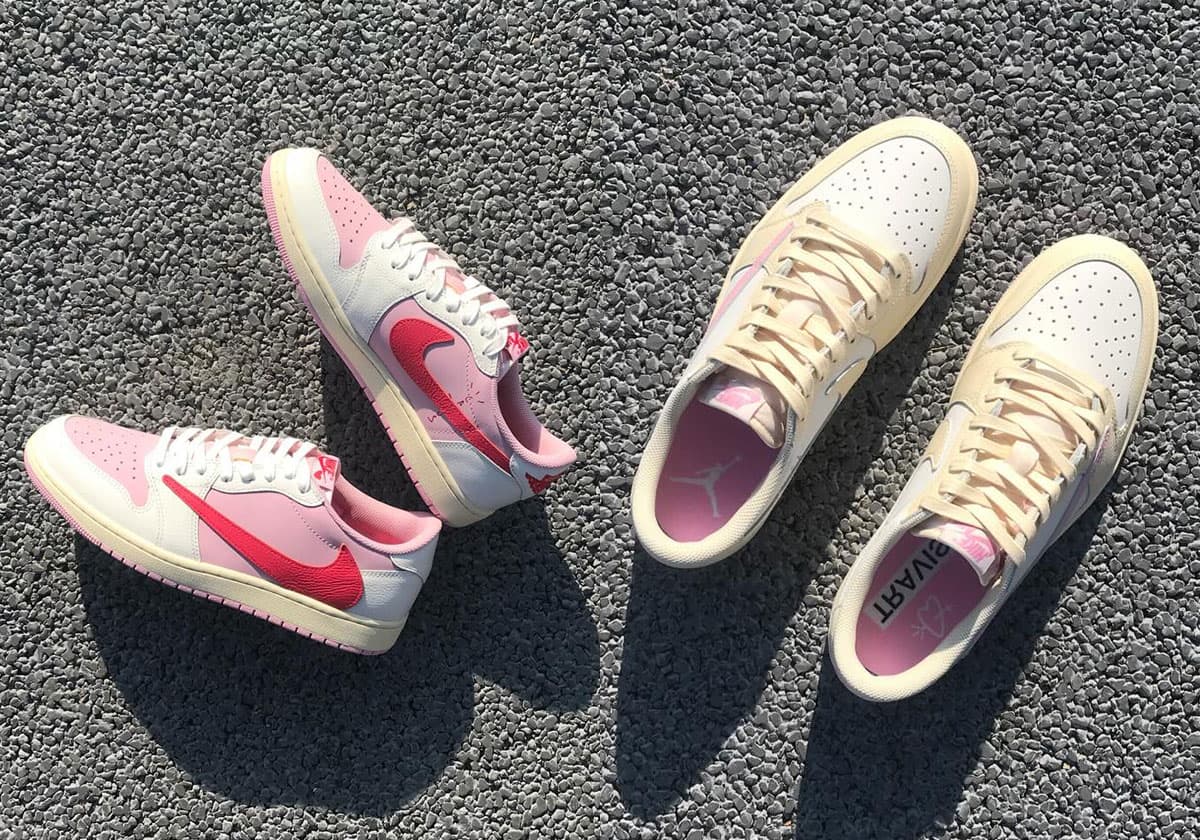
The pushback writes itself: "But the hype was fun. The chase, the queues, the grails: that was the culture." Fair. There's a real thrill in the hunt, and the biggest collabs (a Travis Scott Jordan, a great Salomon x MM6) still deliver it. Nobody's saying scarcity should vanish entirely.
But a culture that's only about the chase is a culture that's forgotten the object. The running-shoe era doesn't kill the fun stuff. The collabs and grails still exist for people who want them. It just rebalances the center of gravity back toward the shoes themselves. You can have your hyped grails and a healthy, accessible, substance-driven mainstream. We just spent too long with only the former.
The verdict
The dad shoes won, and I couldn't be happier about it. The running-shoe takeover dragged sneaker culture out of a speculative bubble and back toward what it should have been all along: a community of people who love well-made shoes and can actually buy them. ASICS, Salomon and New Balance didn't win by gaming hype. They won by making product so good that hype became unnecessary.
That's not the death of sneaker culture. That's its recovery. Lace up something you can actually run in. It suits you.