
We spent three years staring at a chat box
When the AI boom kicked off, the interface was almost comically humble: a text box. You typed, it answered. For all the talk of revolution, the actual experience of using AI in those early years was just... another window on a screen you were already staring at too much. Powerful, yes. But fundamentally a thing you went to, like a website. The intelligence was extraordinary; the container was a rectangle.
In 2026, the container broke. AI escaped the screen. And the more I watch this play out, the more convinced I am that this (not the model benchmarks, not the parameter counts) is the actual revolution. The story of the year isn't that AI got smarter. It's that AI got out.
From "answer me" to "do it for me"
The cleanest way to describe the shift is a change in verb. The old AI was responsive: you asked, it answered, you acted on the answer. The new AI is agentic: it does the task. That's the leap from "what's the weather and should I bring a jacket?" to a device that just quietly adjusts your morning based on the forecast, or logs your meal because you glanced at it, or handles a multi-step request without you babysitting each step.
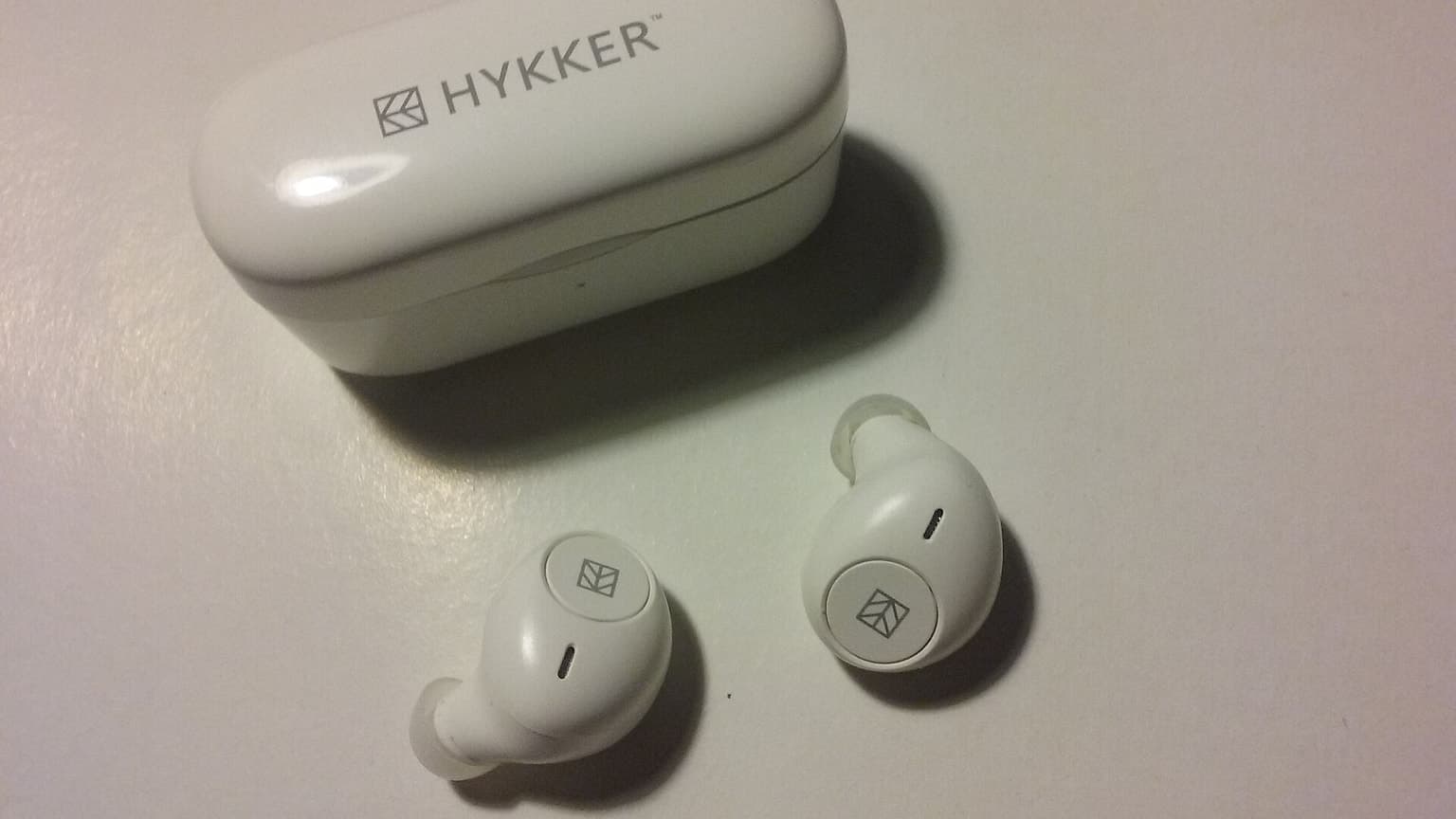
The hardware is finally catching up to make this physical. Smart glasses let you ask the world a question just by looking at it: point your face at a menu, a landmark, a label, and get an answer in your ear without touching anything. Wearables read your body continuously and surface insight without you opening an app. Home assistants now parse a compound, messy, human request and execute the whole chain. None of these require you to stop, pull out a slab of glass, unlock it, find the app, and type. The intelligence comes to you, in the flow of your life, and increasingly it acts on your behalf.
That's not a UI improvement. That's a different relationship with the machine.
Why the screen was always the bottleneck
Here's the thing we under-appreciated: the screen was never neutral. It demanded your eyes, your hands, your attention, and your physical stillness. Every time you used AI, you had to stop living and start operating a device. The phone, for all its magic, is a fundamentally interrupting object. It pulls you out of the room.
The post-screen interfaces (voice, glance, gesture, ambient sensing) let intelligence run alongside your life instead of demanding you pause it. You can be walking, talking, working, moving, and the AI is just there, helping in the background. The promise that the smartphone made and never quite kept (technology that fits into your life rather than dominating it) is being delivered by the things that aren't phones.
The skeptic's corner, because it's warranted
I'd be doing you a disservice if I only sold the dream, so here's the cold water.
A camera on every face is a surveillance question we have not answered. When AI lives in glasses that can see and a ring that's always reading your body, "where does the data go" stops being abstract. The companies building these devices have business models that historically run on data, and a tiny indicator light is not a substitute for genuine consent or genuine privacy. The move toward on-device, edge processing helps, and it's real, but it's a mitigation, not a resolution.
There's also the dependency question. An AI that answers leaves you doing the thinking. An AI that acts invites you to stop. There's a real risk in handing over not just information retrieval but judgment and execution, of atrophying the muscles we used to use. The convenience is seductive precisely because it asks less of us, and "asks less of us" is not always the same as "good for us."
And let's be honest about the hype cycle. Some of these agentic gadgets overpromise and under-deliver today. The vision is further along than the reality in places. Battery life, reliability, and the gap between a slick demo and daily use are all real.
But the direction is undeniable
Caveats noted: the trajectory isn't ambiguous. Every meaningful hardware story of 2026 points the same way: away from the screen, toward intelligence that's ambient, wearable, and active. Smart glasses are the breakout product of the year. Smart rings won the wearable war by disappearing. Home assistants finally got a brain. The phone isn't dying, but it's being demoted from the center of the experience to one node among many, and for the first time, you can imagine a day where you don't reach for it nearly as often.
What I think actually matters
If I'm right that the screen breaking is the real revolution, then the companies that win the next decade won't be the ones with the highest benchmark scores. They'll be the ones who figure out how AI should behave when it lives in the world with us: how to be helpful without being creepy, present without being intrusive, capable without making us helpless. That's a design and ethics problem far more than a model-training problem.
The chat box was training wheels. We typed into a rectangle because that's all the hardware could do. In 2026, the hardware grew up, and the intelligence walked off the screen and into the room. Whether that becomes the most freeing shift in computing or the most invasive depends entirely on choices being made right now. But the screen era of AI is ending. Pay attention to what fills the space it leaves.