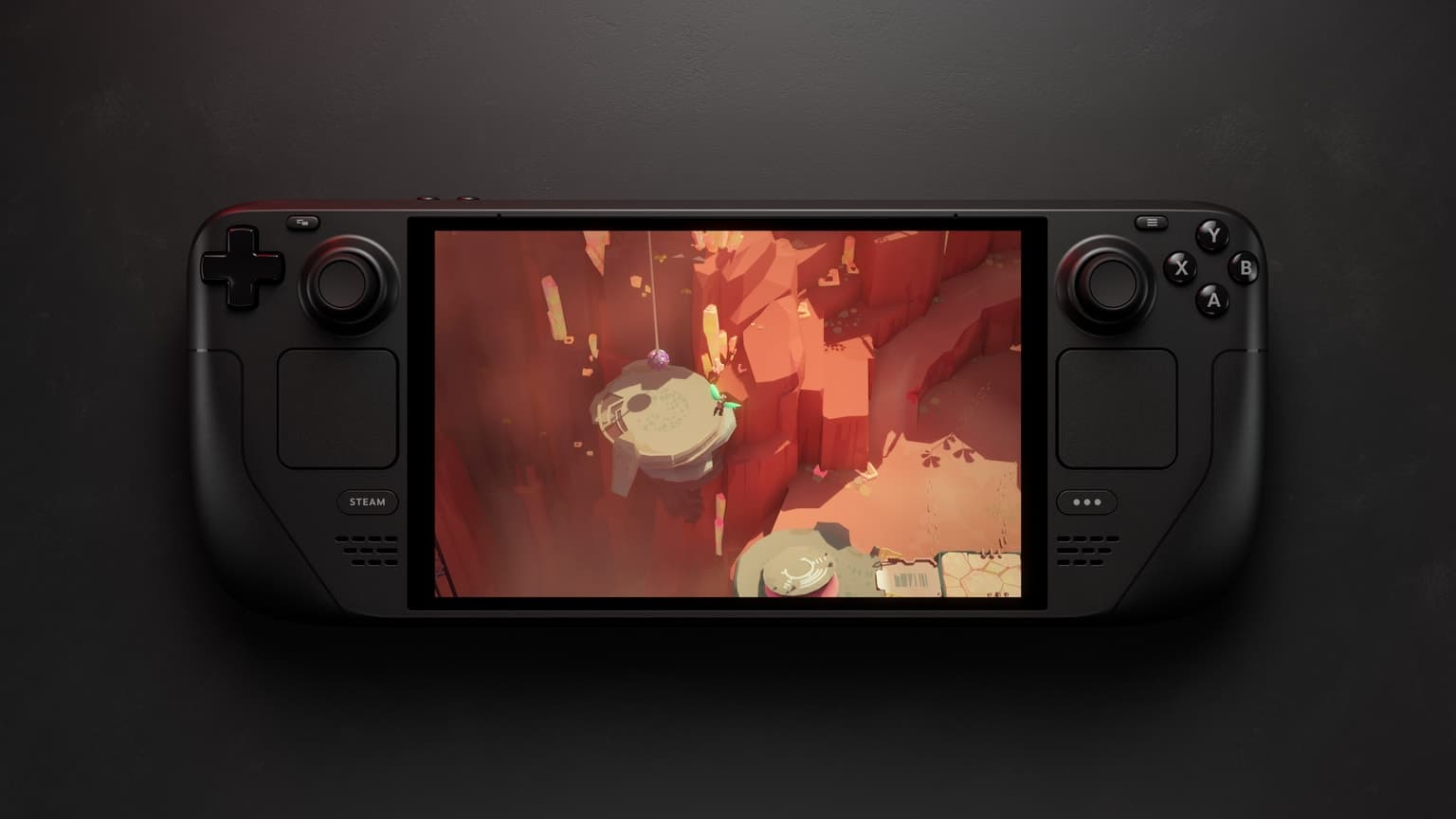
For thirty years, the question that organized all of gaming was simple: which box goes under your TV? PlayStation or Xbox. Sega or Nintendo. The "console war" was the industry's defining narrative, a tribal allegiance complete with spec-sheet flame wars and launch-night campouts. I'm here to tell you it's over. And the thing that won wasn't a box at all. It was the handheld in your hands.
The numbers don't lie
Start with the receipts, because they're staggering. The Nintendo Switch 2 became the fastest-selling console in Nintendo's history, moving 3.5 million units in four days and crossing 17 million by the end of 2025. Nintendo's flagship is, fundamentally, a handheld that happens to dock.
Meanwhile, the portable gaming hardware market hit roughly $14 billion in 2026 and is still climbing. The Steam Deck dragged the handheld PC from a tinkerer's curiosity into a mainstream category, and now there's a genuine arms race (the ROG Xbox Ally X, the Lenovo Legion Go S, the MSI Claw 8 AI+) all fighting over players who, just a few years ago, would have been told to buy a console and a gaming desktop. The most exciting hardware conversations in gaming right now are almost entirely about things you hold.
The living-room box is becoming a peripheral
Here's the uncomfortable truth for the old guard. The traditional living-room console isn't dead. It's becoming a peripheral. Even the Switch 2, the best-selling system on the market, is sold on its portability first and its docked 4K output second. The dock is the bonus feature, not the headline.
Look at how people actually play. The most valuable real estate in gaming isn't the spot under the TV anymore; it's the time between everything else: the commute, the couch while the TV plays something else, the bed before sleep, the flight, the lunch break. Handhelds own that time completely, and that time, in aggregate, dwarfs the prime-time TV slot that consoles were built to capture.
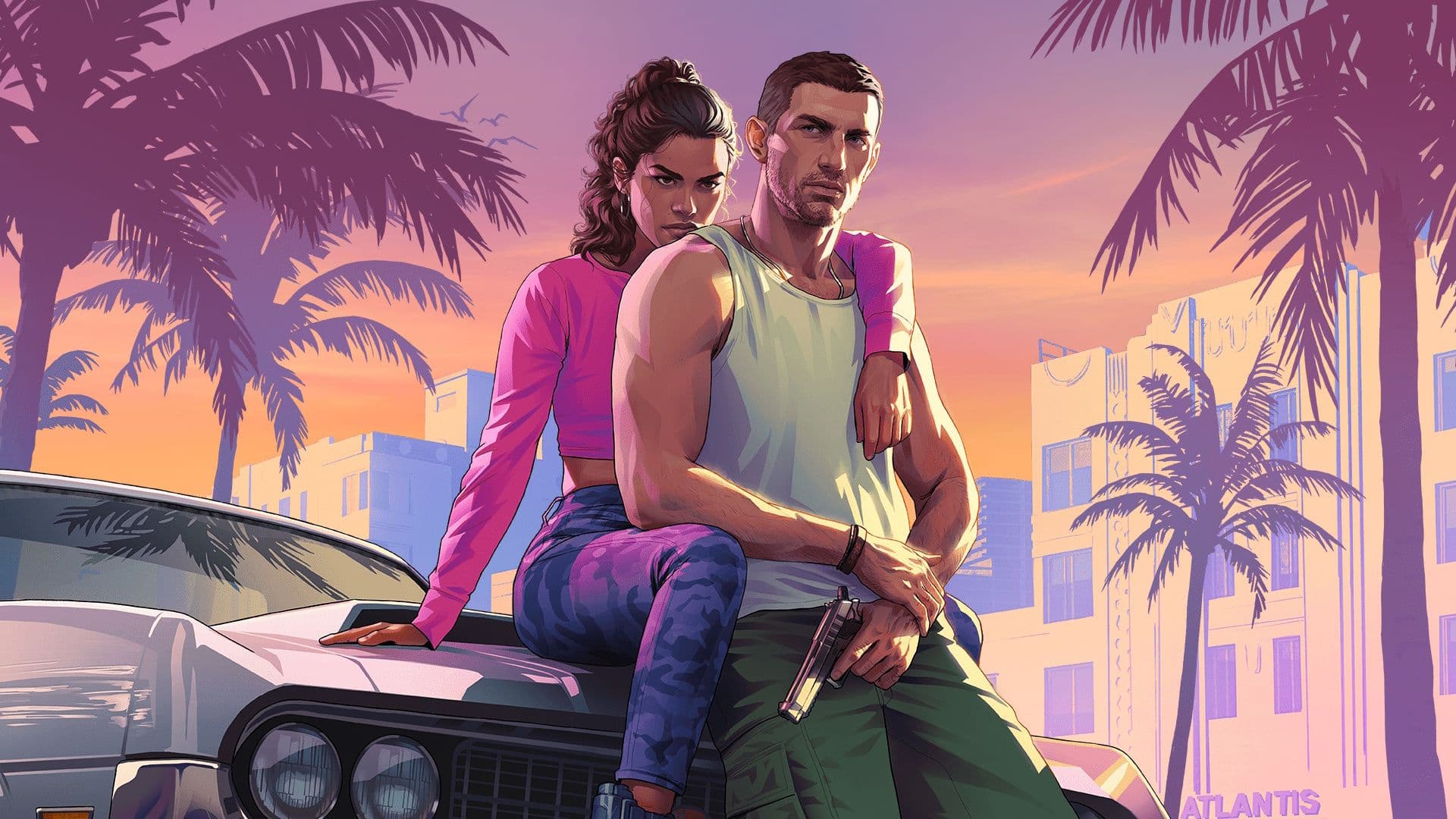
Even the industry's biggest single event reflects the shift. GTA VI launches console-first on PS5 and Xbox Series X/S in November, proof the traditional console still matters for tentpole blockbusters. But notice that the hardware story of 2026 isn't "which console is more powerful." It's "which handheld should I buy." The blockbuster runs on the box. The culture runs on the handheld.
Why this happened
A few forces converged, and none of them are reversible.
Silicon got good enough. The chips powering modern handhelds can run demanding games at respectable settings, something that was science fiction a decade ago. The compromise between "portable" and "capable" shrank to the point where, for most players, it stopped mattering.
Libraries became portable. The Steam Deck and Legion Go S put your existing SteamOS library in your bag. The Switch 2's backward compatibility carried years of games forward. Nobody had to abandon their collection to go portable. They just took it with them.
Life got more fragmented. The uninterrupted three-hour evening gaming session in front of a big screen is a luxury fewer people have. Gaming adapted to the way people actually live: in pockets of time, across contexts, on a device that fits the moment. Handhelds didn't beat consoles on power. They beat them on fit.
The counterargument (and why it's fading)
The purists have a response, and it's not wrong on the facts: the most graphically jaw-dropping experiences, the ones that need a big screen and a beefy GPU, still live on home consoles and gaming PCs. GTA VI will look better on a PS5 hooked to a 4K OLED than on any handheld. True.
But "the best-looking version exists somewhere" is a shrinking moat. For the overwhelming majority of players and the overwhelming majority of play sessions, "good enough, anywhere, right now" beats "spectacular, only at home, only when I have a clear evening." The premium fidelity experience is becoming the enthusiast niche: important, beloved, but no longer the center of gravity. The center moved to where the people and the hours actually are.
What it means going forward
This isn't a prediction. It's a description of what already happened, hiding in plain sight in the sales charts. The handheld won. The implications ripple outward:
- Game design increasingly assumes a smaller screen and shorter sessions, even in big titles.
- Hardware competition has shifted from "who has the most powerful box" to "who has the best portable experience," which is why the handheld category is the liveliest part of the market.
- The console war narrative, that decades-long tribal question of PlayStation versus Xbox, feels increasingly beside the point when the most important device in gaming is the one you can take anywhere.
PlayStation and Xbox aren't going anywhere, and GTA VI will sell consoles by the truckload this November. But the era when a living-room box defined gaming's identity is closing. The future of this medium isn't waiting under your TV for you to come home and sit down. It's already in your bag, charged and ready, waiting for the next gap in your day.
The console war is over. Check your pocket. The winner's already there.