Most streetwear brands are built on a logo. Brain Dead was built on a feeling: the feeling of being a teenager in a record shop, flipping through zines you didn't fully understand, drawn to anything that looked a little wrong. Eleven years after Kyle Ng and Ed Davis founded the label in Los Angeles, Brain Dead still feels like that record shop: chaotic, referential, allergic to the clean edges most brands chase. And in 2026, that refusal to behave has made it one of the most quietly powerful names in the culture.
The Origin
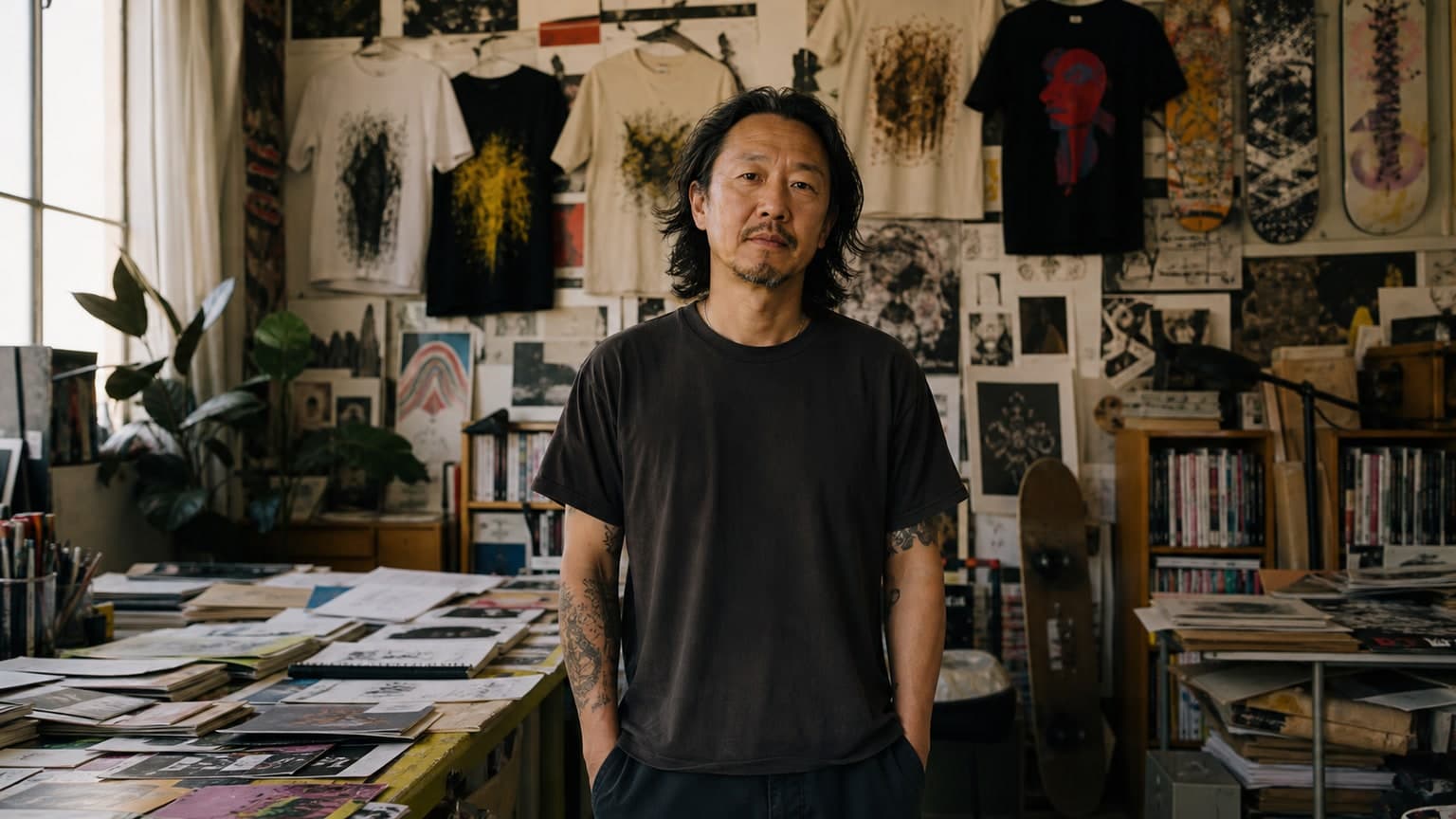
Ng, who has been designing for nearly two decades, didn't come up through fashion school or a buzzy New York incubator. Brain Dead emerged from a stew of underground comics, skate culture, hardcore and punk, the stuff that lives "slightly left of center," as he's described it. The early graphics looked like they'd been photocopied at 2 a.m.: melting faces, swarming eyeballs, hand-drawn type that ignored every rule of legibility. That was the point. Brain Dead wasn't trying to look expensive. It was trying to look alive.
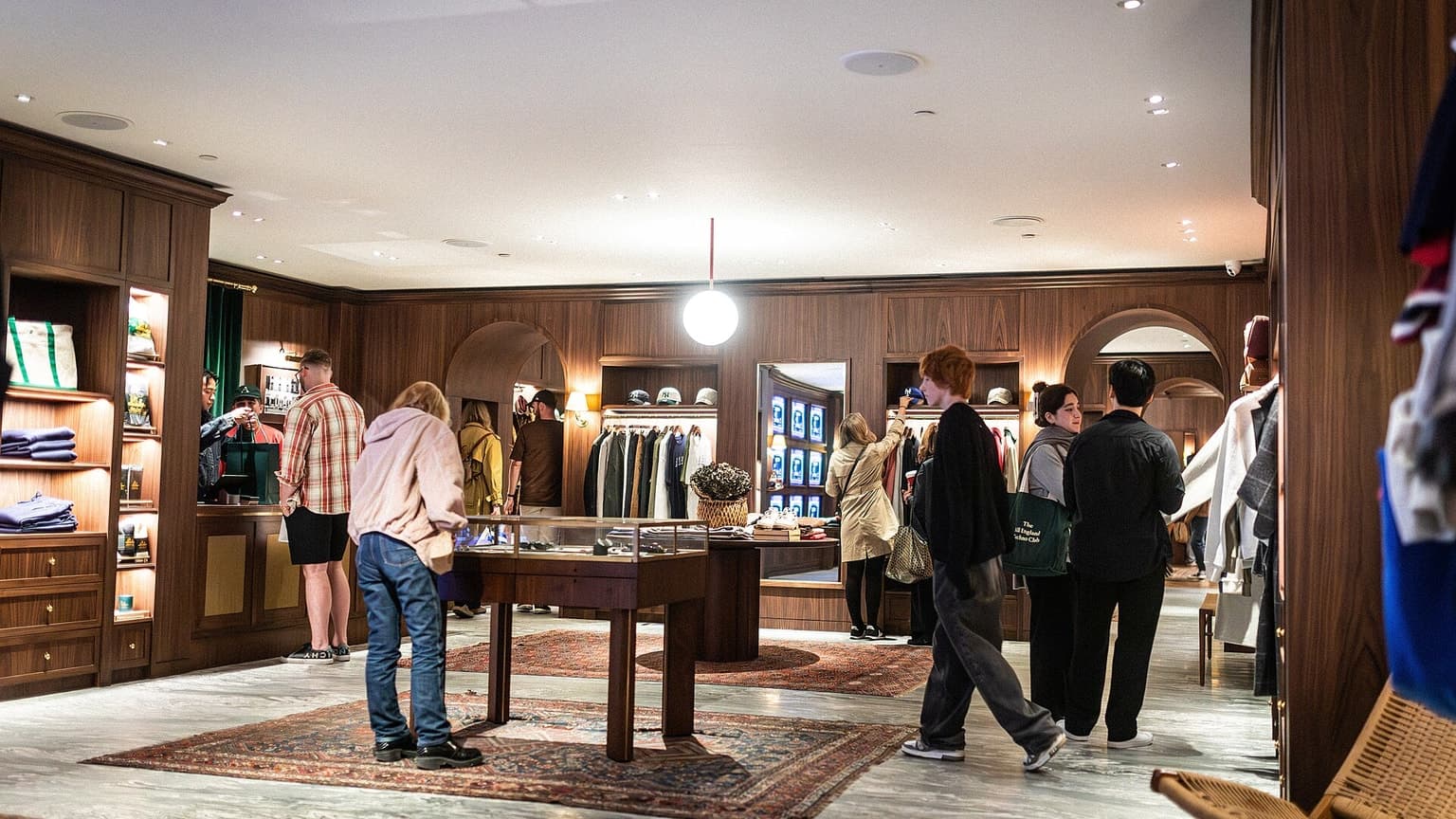
What set it apart from the army of graphic-tee brands that crowded the 2010s was the worldview underneath the worldview. Ng has consistently framed Brain Dead less as a label and more as a "sandbox," a creative collective and meeting point rather than a product line. The clothes were always just one output. Brain Dead has run a movie theater, published books, thrown shows, and operated retail spaces that feel more like clubhouses than stores. The brand isn't selling you a hoodie. It's selling you a sensibility.
The Collaboration Machine
Here's the paradox at the center of Brain Dead: a brand obsessed with the underground has become one of streetwear's most prolific collaborators. Over the years the roster has spanned The North Face, A.P.C., Star Wars, Malin + Goetz and Brooks Brothers. It's a list so eclectic it shouldn't cohere, and somehow does. The throughline is Ng's instinct for finding the strange angle in a familiar partner. A Brain Dead x The North Face piece doesn't look like either brand alone; it looks like a third thing that only exists because two worlds collided in Ng's head.
That instinct reached a new audience in May 2026, when Coach unveiled a surprise capsule with Brain Dead. The collection reimagined Coach signatures (the Tabby, the Waverly, the Empire) through Brain Dead's lens, layering on patches, charms and buttons in a direct appeal to Gen Z's appetite for customization and collectibility. For Coach, it was a credibility injection. For Brain Dead, it was proof that the sandbox now extends into the boardrooms of American heritage luxury. The capsule launched May 29.
Why It Works
The temptation, watching a brand go from photocopied zines to a Coach bag, is to call it a sellout arc. It isn't, and the reason is structural. Brain Dead never positioned itself as anti-commerce; it positioned itself as anti-boring. Ng has been explicit about wanting to use collaboration as "a force for good," a way to fund the weirder, less profitable corners of the universe and to drag legacy partners somewhere they'd never go alone. The commerce subsidizes the chaos. The chaos validates the commerce.
It also helps that Brain Dead's aesthetic is genuinely difficult to fake. Plenty of brands can knock off a clean logo. Almost nobody can replicate Ng's specific blend of references: the precise overlap of D.C. hardcore, '70s underground comics, B-movie horror and skate-rat irreverence. The graphics carry a fingerprint. When you see a swarm of eyeballs creeping across a sleeve, you know exactly whose head it came out of.
The 2026 Position
In a streetwear landscape increasingly defined by quiet luxury and stealth-wealth minimalism, Brain Dead is a useful corrective. The brand is a reminder that streetwear's origins were loud, ugly, personal and fun, that the culture grew out of skate parks and punk shows, not boardrooms. As the broader market sands everything down to muted technical neutrals, Brain Dead keeps the volume up.
Ng marked Hypebeast's 20th anniversary in late 2025 with a limited capsule, a fitting full-circle moment for a designer who came up reading the same blogs that now document his work. Eleven years in, Brain Dead has outlasted most of the brands it launched alongside, and it's done so without ever flattening into a single sellable idea.
What Comes Next
If there's a question hanging over Brain Dead in 2026, it's one of scale. The Coach deal signals an appetite for bigger partners and bigger reach, and the eternal risk for a brand built on outsider energy is that mainstream success dilutes the very strangeness that made it desirable. Ng seems aware of the trap. The sandbox model (keep the experiments cheap, let the collabs pay the bills) is specifically designed to resist it.
Whether it holds is the story to watch. But for now, Brain Dead occupies a rare position: weird enough that the underground still claims it, polished enough that luxury houses come knocking. That's a needle almost nobody threads. Kyle Ng has been threading it for eleven years, one melting face at a time.